How to identify hormonal headaches and deal with them effectively
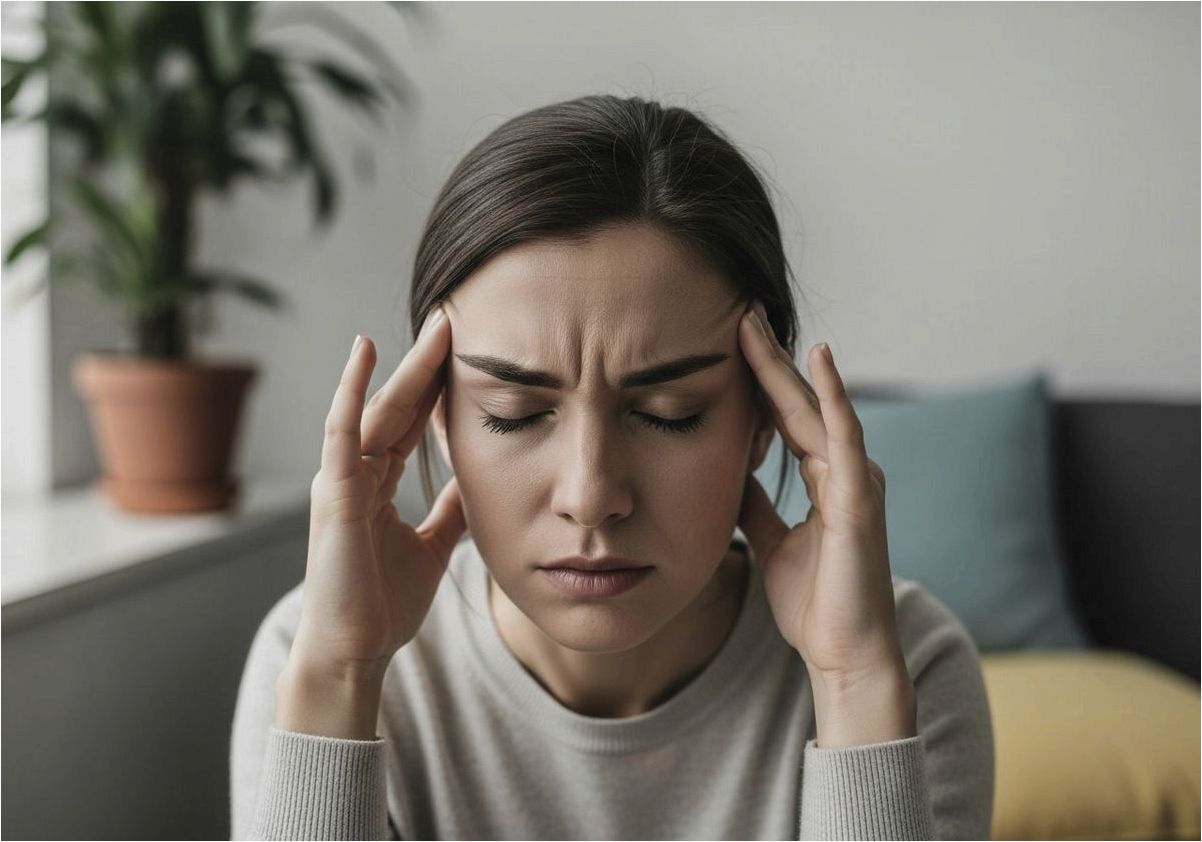
Headaches, whether triggered by stress, allergies, or lack of sleep, can cause anxiety and disrupt your daily plans. Treatment and prevention become especially difficult if the cause of discomfort is hormonal changes. In this article we will tell you what experts say about hormonal headaches and what methods exist to combat them.
Contents of the article:
Hormonal headaches are most often associated with changes in the levels of estrogen and progesterone in the body, which is especially typical for women of reproductive age. Such pain can appear before menstruation, during pregnancy, when taking or stopping hormonal contraceptives, as well as during menopause.
Common signs of hormonal headaches include:
- Throbbing pain on one or both sides of the head;
- Increased symptoms on certain days of the cycle;
- Accompanied by nausea, increased sensitivity to light or sounds;
- Congenital or acquired tendency to migraines.
To effectively manage hormonal headaches, experts recommend keeping a symptom diary to track the connection between your headaches and your menstrual cycle. This will help the doctor choose the optimal treatment tactics.
Methods to combat hormonal headaches include:
- Lifestyle correction – regular sleep, balanced diet, quitting alcohol and smoking;
- Exercises to reduce stress levels – yoga, meditation, breathing exercises;
- Reception vitamins and minerals such as magnesium and vitamin B2, which have been shown to be effective in migraine prevention;
- Medical supervision and, if necessary, prescription of hormonal therapy or preventive medications;
- Use painkillers when a headache occurs, but not more than the recommended frequency.
It is important not to self-medicate. If headaches occur regularly and significantly reduce the quality of life, you need to contact a neurologist or gynecologist-endocrinologist to conduct a comprehensive examination and develop an individual treatment regimen.
Concept of hormonal headache
Thomas Pitts, a neurologist at Hudson Medical Wellness in New York City, explains, “Hormonal headaches, or menstrual migraines, are closely related to changes in your menstrual cycle.”
Elena Pavlovich, a physician at The Montefiore Headache Center, adds, “Most often, these headaches begin five to seven days before your period and continue through the first few days.”
According to research by the National Headache Foundation, this type of headache is often accompanied by symptoms such as fatigue, acne, joint pain, decreased urine output, constipation, loss of coordination, and increased appetite or cravings for chocolate, salty foods, or alcohol. Menstrual migraines typically present with the same symptoms as regular migraines: a sharp, throbbing, one-sided headache, accompanied by nausea, possible vomiting, and increased sensitivity to light and sound. Hormonal migraines can sometimes be preceded by an aura—a visual disturbance manifested by various visual effects Causes of Hormonal Headaches Elena Pavlovich notes: “The relationship between hormone levels and headaches remains complex and poorly understood. However, it is known that attacks occur more frequently during fluctuations in estrogen levels.” This hormone triggers complex biochemical processes in the body involving the nervous system, blood vessels, and muscles, leading to the development of migraines and some types of hormonal headaches. Kecia Gaither, an obstetrician and gynecologist at NYC Health Hospitals, explains: “Changes in estrogen and progesterone levels, typically observed three days before menstruation, often trigger headaches. Additionally, hormone replacement therapy, birth control, pregnancy, and menopause also cause changes in hormonal balance.”
Estrogen levels drop approximately five days before menstruation, and it is this drop that triggers menstrual migraines. It’s important to keep in mind that the period of potential susceptibility to migraines varies from person to person.
Causes of hormonal headaches
Considering that hormonal fluctuations and menstruation are a natural part of a woman’s life, preventing migraines caused by hormones is not easy. If you regularly experience tension in the frontal region or unilateral throbbing pain in the temples, it is important to consult a doctor or gynecologist to confirm the connection of the pain with hormonal levels and to rule out more serious pathologies.
Pay special attention to signs such as heavy bleeding, irregular cycles, or unusual cycle lengths, which may contribute to hormonal headaches. In this case, addressing the root cause will be the key step to relieving the condition. In addition, hormonal migraines can signal endocrine system disorders, such as diabetes or hypothyroidism, since it is the endocrine system that controls hormone levels throughout the body If the doctor rules out other causes, you can start keeping a headache diary, recording the days of the cycle when the pain is most severe. Having defined your “window” – for example, the onset of a headache two days before the start of menstruation – the doctor will be able to create a more precise treatment plan, perhaps recommending taking over-the-counter non-steroidal anti-inflammatory drugs the day before the expected attack this understanding of your “window” allows for targeted use of medications, which dramatically increases their effectiveness.
Treatment options for hormonal headaches
Methods for preventing hormonal headaches
A study published in the Cleveland Journal of Medicine demonstrates the positive effects of biofeedback (BFB) in headache therapy. This method involves the use of specialized equipment that monitors physiological responses in the body, such as muscle tension or skin temperature, allowing the patient to learn to consciously control these processes through multimedia and gaming techniques. The goal is to reduce the body’s response to stress and, consequently, decrease the frequency and severity of headaches.
Finally, self-care plays an important role in managing migraines. “Identifying and eliminating triggers—poor sleep, dehydration, poor diet, and mental health issues—will help improve lifestyle and reduce the likelihood of hormonal headaches,” adds Pitts.
In addition to these methods, it is important to consider preventive medications recommended by a neurologist. Such medications include triptans, beta-blockers, antidepressants, and anticonvulsants, which can reduce the frequency and intensity of migraine attacks. However, treatment selection should be individualized and based on a thorough medical examination.
Maintaining a regular sleep and diet routine, as well as moderate physical activity, such as yoga or swimming, also play a significant role. These help normalize hormonal balance and promote overall health. During stressful periods, relaxation techniques such as deep breathing, meditation, and aromatherapy are recommended. They help lower cortisol levels, thereby reducing the likelihood of headaches.
Treatment options for hormonal headaches
Estrogen-containing contraceptives can have varying effects on migraines, either improving or worsening the condition, depending on individual circumstances. Thomas Pitts warns: “If you have migraines with aura, regardless of the cause, estrogen-containing medications should be avoided, as they increase the risk of stroke, can raise blood pressure, and can cause heart rhythm disturbances.” However, there are many alternative treatments, such as acupuncture and massage.
A study published in the Cleveland Journal of Medicine demonstrates the positive effects of biofeedback (BFB) in headache therapy. This method involves the use of specialized equipment that monitors physiological responses of the body, such as muscle tension or skin temperature, allowing the patient to learn to consciously control these processes through multimedia and gaming techniques. The goal is to reduce the body’s response to stress and, consequently, reduce the frequency and severity of headaches.
Finally, self-care plays an important role in managing migraines. “Identifying and addressing triggers—poor sleep, dehydration, poor diet, and mental health issues—will help improve lifestyle and reduce the likelihood of hormonal headaches,” adds Pitts.
In addition to the above methods, it’s important to consider preventative medications recommended by a neurologist. These medications include triptans, beta-blockers, antidepressants, and anticonvulsants, which can reduce the frequency and intensity of migraine attacks. However, treatment selection should be individualized and based on a thorough medical examination.
Maintaining a regular sleep and diet routine, as well as moderate physical activity, such as yoga or swimming, also play a significant role. These help normalize hormonal balance and promote overall health. During stressful periods, relaxation techniques such as deep breathing, meditation, and aromatherapy are recommended. They help lower cortisol levels, thereby reducing the likelihood of headaches.
For hormonal headaches associated with the menstrual cycle, special hormonal contraceptive regimens or hormone replacement therapy are sometimes prescribed under the supervision of an endocrinologist. This helps stabilize hormone levels and reduce the intensity of symptoms. It is imperative to avoid self-medication and strictly follow the recommendations of specialists.