Should you consider taking iron supplements?
s?
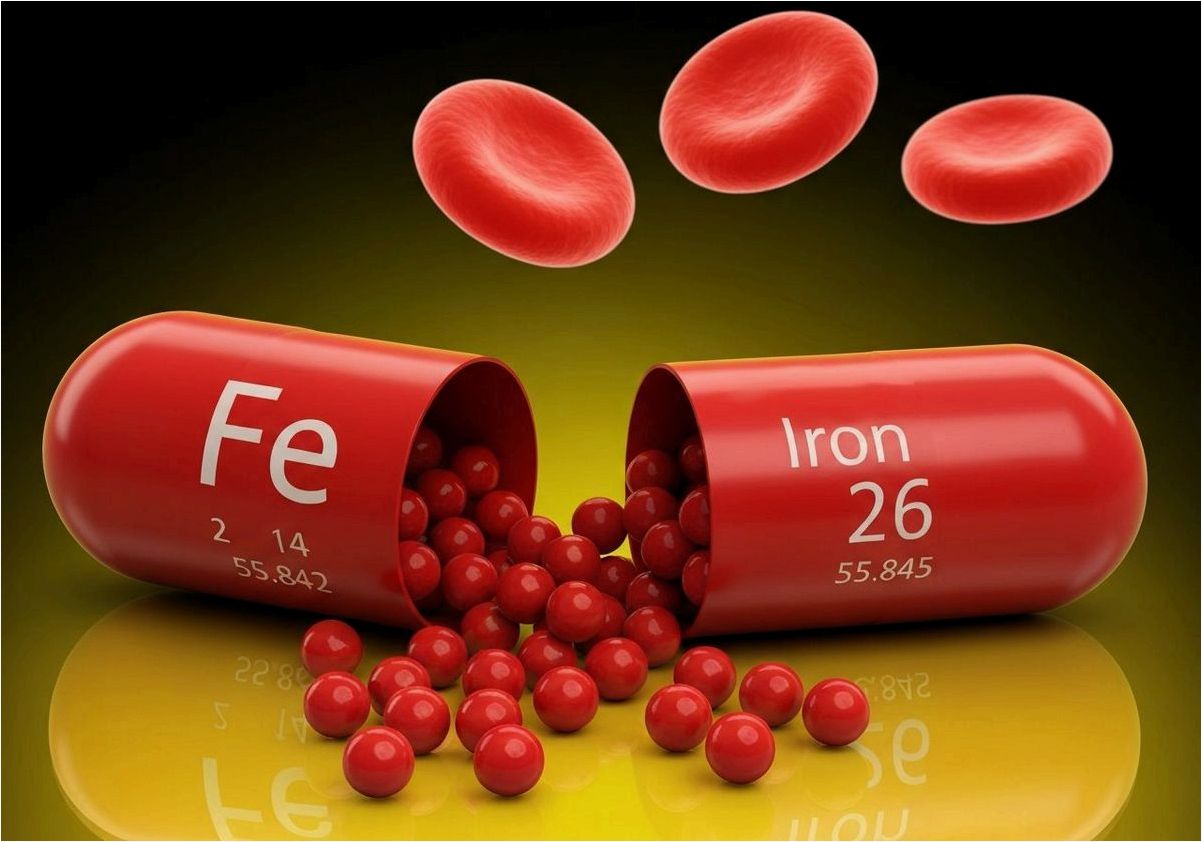
Iron is an important trace element that is necessary for the growth, development of the body and its proper functioning. Deficiency of this mineral is one of the most common nutrient deficiencies in the world, making monitoring your intake levels extremely important.
Contents of the article:
iron plays a key role in the formation of hemoglobin, a protein that supplies cells with oxygen. Its deficiency can lead to anemia, manifested by fatigue, weakness, decreased concentration and deterioration in general well-being. Children, pregnant women, and people with chronic illnesses or malabsorption of nutrients are especially vulnerable to iron deficiency.
Before you start taking iron supplements, it is important to consult your doctor and get the necessary tests to determine your body’s iron levels. Unauthorized use of such supplements can lead to excess accumulation of iron, which will negatively affect the functioning of the liver, heart and other organs.
To maintain normal levels of iron in the diet, foods rich in this mineral are recommended: red meat, poultry, fish, legumes, green leafy vegetables, nuts and seeds. Vitamin C promotes better absorption of iron from plant sources, so it is beneficial to combine such foods with fruits and vegetables rich in this vitamin.
The role of iron in promoting health
Iron plays a key role in the life of the body, as it ensures the transport of oxygen to all cells, influencing many vital processes.
Provides maintenance of vital functions. According to the US National Institutes of Health, this mineral is essential for the normal functioning of the body. Iron is used to synthesize hemoglobin, a protein that carries oxygen from the lungs through the blood to all tissues, as well as myoglobin, a protein that delivers oxygen directly to muscle cells.
As stated in the International Journal of Research In Medical Sciences, iron is also important for the production of certain hormones that affect the thyroid gland, which controls the regulation of many hormones in the body.
Supports healthy skin, hair and nails. This mineral is directly involved in the formation of connective tissue. If you notice brittle nails, hair loss and dull skin, you should check for iron deficiency first. The American Society of Hematology notes that when iron levels are insufficient, oxygen metabolism suffers, leading to deterioration of the skin, hair and nails.
Improves athletic performance. Iron levels have a direct impact on aerobic capacity through its role in energy production and oxygen transport to cells. With a lack of oxygen, a person gets tired faster and feels weak, which negatively affects the results when running, cycling or doing strength sports.
Signs of iron deficiency in the body
Iron accumulates in the body in the form of ferritin, a protein located in the bone marrow, muscles, liver and spleen. With a temporary decrease in iron intake, the body uses its reserves, resorting to the help of transferrin, a blood protein that transports the mineral to the necessary organs. However, if the deficiency continues for a long time, the reserves become depleted and iron deficiency anemia develops, a condition in which the body suffers from a lack of healthy red blood cells.
According to the US National Heart, Lung, and Blood Institute, typical symptoms of iron deficiency include:
- Increased fatigue;
- Dizziness;
- Coldness of the extremities;
- Pale skin.
With serious complications, shortness of breath, chest pain and severe weakness appear.
In addition to the main symptoms, iron deficiency can also manifest itself with other signs, such as:
- Brittleness and thinning of nails;
- Hair loss;
- Frequent headaches;
- Concentration problems and memory loss;
- Tingling or burning sensation in the tongue and mucous membranes of the mouth;
- Restless legs syndrome – discomfort in the legs that worsens with rest;
- Increased sensitivity to cold;
- Frequent infections due to decreased immunity.
To accurately determine iron deficiency, it is recommended to take blood tests to determine the level of ferritin, hemoglobin, and other indicators that reflect the condition of the blood. If a deficiency is detected, it is important to consult a doctor who will prescribe appropriate treatment and a recommended diet of iron-rich foods such as red meat, liver, legumes, green leafy vegetables and grains.
How can you determine whether you have enough iron in your diet?
Iron requirements vary depending on a person’s age and physiological state. Adolescent girls aged 14–18 are recommended to take 15 mg of iron per day. Women over 18 require 18 mg, increasing to 28 mg during pregnancy and decreasing to 9 mg during breastfeeding. After menopause, the daily requirement drops to 8 mg.
If a deficiency is suspected, a doctor will typically order ferritin and transferrin tests to confirm or rule out anemia. It’s important to remember that values considered “normal” in the laboratory do not always indicate optimal levels for your health. If your test results are within normal limits but signs of deficiency persist, consult a specialist for further diagnosis or nutritional advice.
To maintain adequate iron levels in your diet, it is recommended to include foods rich in heme iron—such as meat, poultry, and fish—which are best absorbed by the body. Plant sources of iron, such as legumes, green leafy vegetables, and fortified cereals, are also important, but iron absorption from them is enhanced by combining them with foods rich in vitamin C (e. g., citrus fruits, bell peppers, and strawberries).
Avoid excessive consumption of foods and beverages that can interfere with iron absorption, such as strong tea and coffee containing tannins, as well as foods high in calcium when consumed with iron-rich foods.
A regular, balanced diet and timely medical checkups will help maintain optimal iron levels, which is especially important for preventing anemia and maintaining overall health.
Iron-rich foods
There are two main types of iron: heme and non-heme. Heme iron is found in meat and animal products, while non-heme iron is found in plant sources. Iron-rich foods include beans, red meat, poultry, seafood (especially oysters), dark green leafy vegetables such as spinach, kale, collard greens, eggs, and tofu.
Non-heme iron is poorly absorbed by the body, but vitamin C significantly improves this process—especially important for those who get their iron primarily from plant sources.
It is worth considering that large amounts of fiber, especially bran, calcium, as well as plant substances such as phytates (found in beans, seeds, nuts and grains) and tannins can reduce the absorption of non-heme iron. Significant doses of tannins are present in coffee, tea, wine, beer, as well as in some fruits, such as grapes and pomegranates, and their juices.
When and how should you take iron supplements?
People who are strictly vegan or vegetarian diets, it is sometimes difficult to get enough iron from food, so supplements are often recommended. However, before starting supplementation, it is important to have your iron levels tested in a laboratory and consult with your doctor.
Taking iron supplements can cause constipation, so it is recommended to increase your fluid intake and include fiber-rich foods such as vegetables, fruits, legumes and whole grains.
Is it possible to have excess iron and why is it harmful?
Iron is a toxic metal that, if accumulated excessively, can lead to serious illnesses. The maximum permissible daily dose for persons over 14 years of age is 45 mg, for children under 13 years of age – 40 mg. In adults, excessive doses, especially when taken on an empty stomach, may cause abdominal discomfort, constipation, nausea, vomiting and diarrhea. Long-term excessive consumption can cause stomach ulcers, inflammation of the mucous membranes and impaired absorption of zinc. Very high doses—hundreds of milligrams—can lead to severe consequences such as organ failure, coma, and even death.