Diet for recovery: nutrition on training days
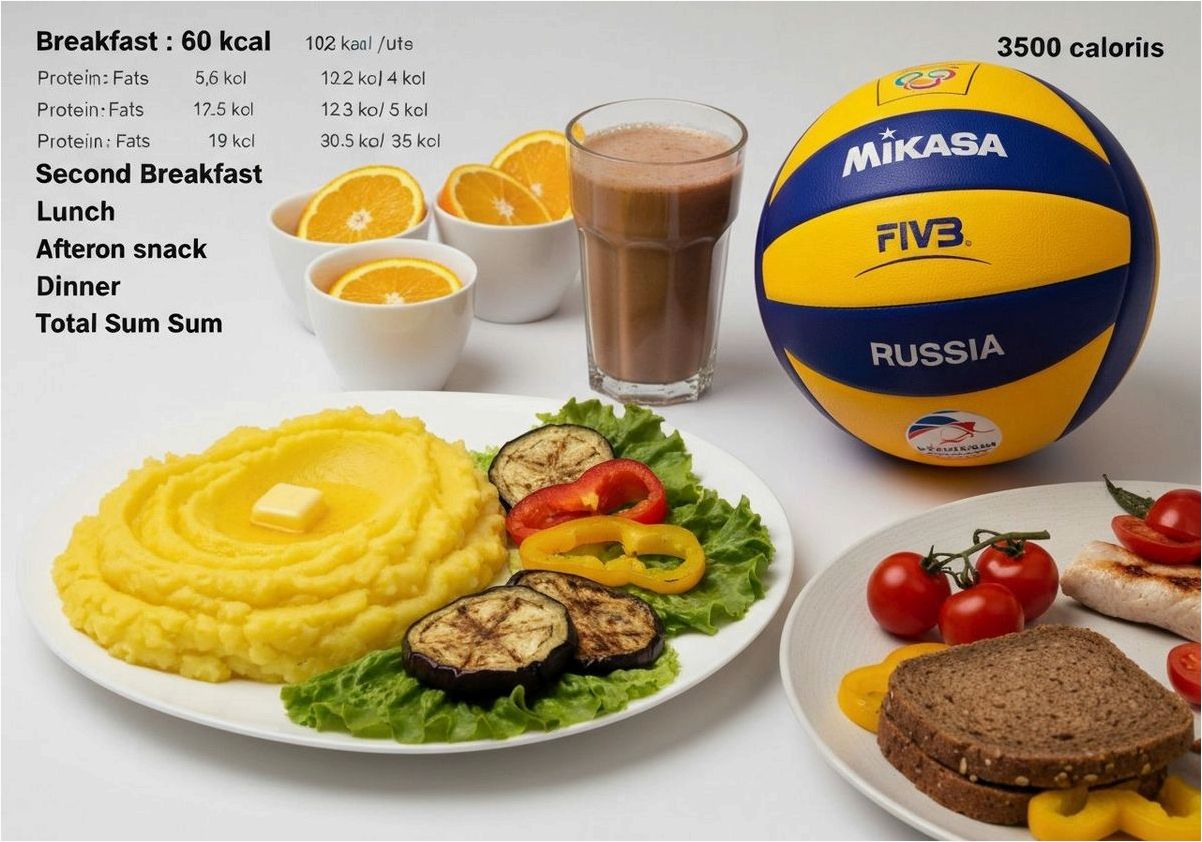
Fitness classes require not only performing exercises, but also proper preparation of the body, as well as subsequent recovery. An important part of a successful workout is thoughtful nutrition and adherence to a meal plan. The ban on eating an hour before and after classes is an important condition, but only one of the elements of a healthy diet. Understanding how to eat properly on training days is vital for those who care about their health and want to feel great.
Contents of the article:
PREPARATORY STAGE
In normal life, the body spends about 2-3 liters of water per day. During intense physical activity, the need for fluid increases, and lack of water in athletes can lead to dehydration. Therefore, 1-2 hours before classes, it is recommended to drink approximately 0. 5-0. 6 liters of still water. It is also advisable to have water with you during training. Drinking plenty of fluids helps to quickly remove toxins and metabolic products, the intensive formation of which is associated with accelerated metabolism. In addition, it is useful to include foods rich in catechins in your diet on exercise days: berries, fruits, green tea, cocoa beans. Catechins help regulate blood sugar levels, have antioxidant properties and help stimulate energy metabolism and speed up metabolism.
If the workout is scheduled for the morning, the meal should be light: for example, it is good to eat a bowl of muesli with yogurt or just drink a cup of tea with honey. If the workout takes place during the daytime, it is recommended to eat 2-3 hours in advance: an approximate diet – legumes or cereals (complex carbohydrate content within 50-100 g) and 100-150 g of seafood or lean chicken. You should not completely refuse to eat, as hunger lowers blood sugar levels and slows down metabolism, which negatively affects physical performance.
It is also important to consider portion sizes and digestibility of food. Avoid heavy and fatty foods before training to avoid overloading your stomach. When planning your meals, include sources of slow carbohydrates to provide the body with energy for the entire period of exercise. Additionally, a small portion of nuts or a banana can serve as a healthy snack 30-40 minutes before exercise, helping to avoid sudden fluctuations in blood glucose levels.
PER TRAINING TIME
During intense exercise, the body’s workload increases significantly. Even during the warm-up, system restructuring begins, and internal reserves are mobilized.
- Muscles’ primary source of energy is glycogen, which is actively consumed during exercise. As metabolism accelerates, lactic acid accumulates in muscles, causing pain and hindering muscle contraction. The goal is to remove excess acid from the body.
- For energy, the body primarily uses carbohydrates, then fats. It is during this period of exercise that hunger may occur. It is important to abstain from food for at least an hour after completing the workout.
- Intensive muscle work requires an increased supply of oxygen and nutrients. It is important to provide the muscles with the necessary amount of nutrients.
- Excessive sweating leads to increased blood viscosity. It is important to prevent possible blood clots.
During exercise, carefully monitor for symptoms of dehydration: dizziness, headache, dry mouth. Ignoring these symptoms can lead to general weakness, increased fatigue, and decreased activity. At the first sign of this, stop exercising and start drinking water. For a person weighing 60-75 kg, the recommended fluid intake is 100-150 ml every 10-15 minutes. More intense workouts require more water, and isotonic drinks containing vitamins, minerals, and carbohydrates are also recommended. Avoiding food during exercise is recommended, except for workouts lasting longer than 2 hours, in which case dried fruit is an acceptable snack.
To maintain electrolyte balance, it’s helpful to consume minerals such as sodium, potassium, magnesium, and calcium in water. A deficiency can cause cramps and reduce performance. For longer workouts, you can use sports drinks with electrolytes or add a pinch of sea salt and lemon juice to your water.
RECOVERY AFTER TRAINING
The main tasks after exercise are to normalize the heart rate and speed up the elimination of metabolic products accumulated in the muscles. To do this, you need to replenish the fluid deficit. It is also important to return vitamins and minerals to the body that were lost through sweat during training. 30 minutes after completion, it is useful to drink a glass of freshly squeezed apple or carrot juice – this will help restore strength. After about an hour, it is recommended to eat.
What’s good to eat after a workout? If classes took place in the morning, you can afford lunch. For people trying to lose weight, a green salad and boiled salmon are suitable, and for those who want to increase muscle mass, grilled chicken breast and 100 g of rice. If the training took place in the afternoon, a good choice would be 100-150 g of low-fat cottage cheese or 1-2 glasses of kefir.
For maximum muscle recovery, try to include a combination of protein and carbohydrates in a ratio of approximately 1:3 in your post-workout meal. This helps replenish glycogen stores and support protein synthesis in muscle tissue. For example, an excellent option would be a two-egg omelette with vegetables and whole grain toast.
Additional recovery methods:
- Walking. A calm walk helps calm the pulse and reduce it to 60-80 beats per minute, promotes long-term breakdown of fats and saturates the body with oxygen. Muscle recovery occurs within 10 minutes of walking. The recommended walking time is 30-40 minutes, preferably in the fresh air.
- Pool. Swimming after training helps stabilize thermoregulation, accelerates the recovery of muscle tissue, promotes the elimination of lactic acid and provides additional aerobic exercise. It is recommended to swim for about 15-20 minutes.
- Bathhouse. Visiting the bathhouse strengthens the immune system and improves the condition of joints and ligaments. However, the sauna also puts a strain on the thermoregulation system and the cardiovascular system, so it should be used with caution after intense training. The optimal regimen is 2-3 sessions lasting 5-15 minutes; under heavy loads, it is preferable to limit yourself to one session every 5 minutes.
It is also recommended to pay attention to proper sleep and rest – these are the most important factors in recovery. Lack of sleep slows down recovery processes, increases cortisol levels and reduces immunity. Relaxing routines, such as gentle stretching or breathing exercises before bed, can help improve sleep.
ORGANIZATION OF CATERING FOR DIFFERENT TYPES OF FITNESS
- Strength training. The main goal is to provide the body with all the necessary nutrients. The recommended protein intake is 1. 2 to 1. 6 g per kilogram of body weight, carbohydrates 3-4 g, and fat 0. 7-0. 8 g. Calorie intake should be 34-36 kcal per kilogram of body weight. On training days, it’s best to avoid fried foods, saturated fats, and simple sugars. For those looking to lose weight, a fresh vegetable salad (about 200 g) is suitable, while those trying to gain muscle mass should eat lean pork or chicken (about 200 g).
- Cardiovascular training. This type of training requires a significant increase in carbohydrates and a decrease in protein. Carbohydrates should be 5-6 g per kilogram of body weight, and protein 0. 8-1 g. Be sure to drink fluids during training, preferably isotonic drinks. For weight loss, you can use the same macronutrient balance as for strength training, reducing calories to 26-30 kcal per kilogram. An ideal meal before cardio is cereal with low-fat kefir or stewed vegetables with 100 g of rice.
- Yoga and Pilates. The diet should be balanced: for every gram of protein, there are approximately 0. 8 g of fat and 4 g of carbohydrates. The energy value is 30-34 kcal per kilogram of body weight. It is recommended to eat foods high in fiber, such as vegetables and greens. Avoid smoked foods, fatty meats, and fatty fish. Vegetable stews, tomato soup with spinach and rice, fresh vegetable salads, or a glass of low-fat milk are excellent options.
In addition, for all types of fitness, it is beneficial to include omega-3 fatty acids in your diet—they have anti-inflammatory properties and support joint health. Sources of omega-3 include fatty fish, flaxseed, chia, and walnuts.
Remember to periodically change your diet and eat a variety of foods to avoid micronutrient deficiencies and maintain high levels of motivation and energy during training.