How to choose a skin cleanser
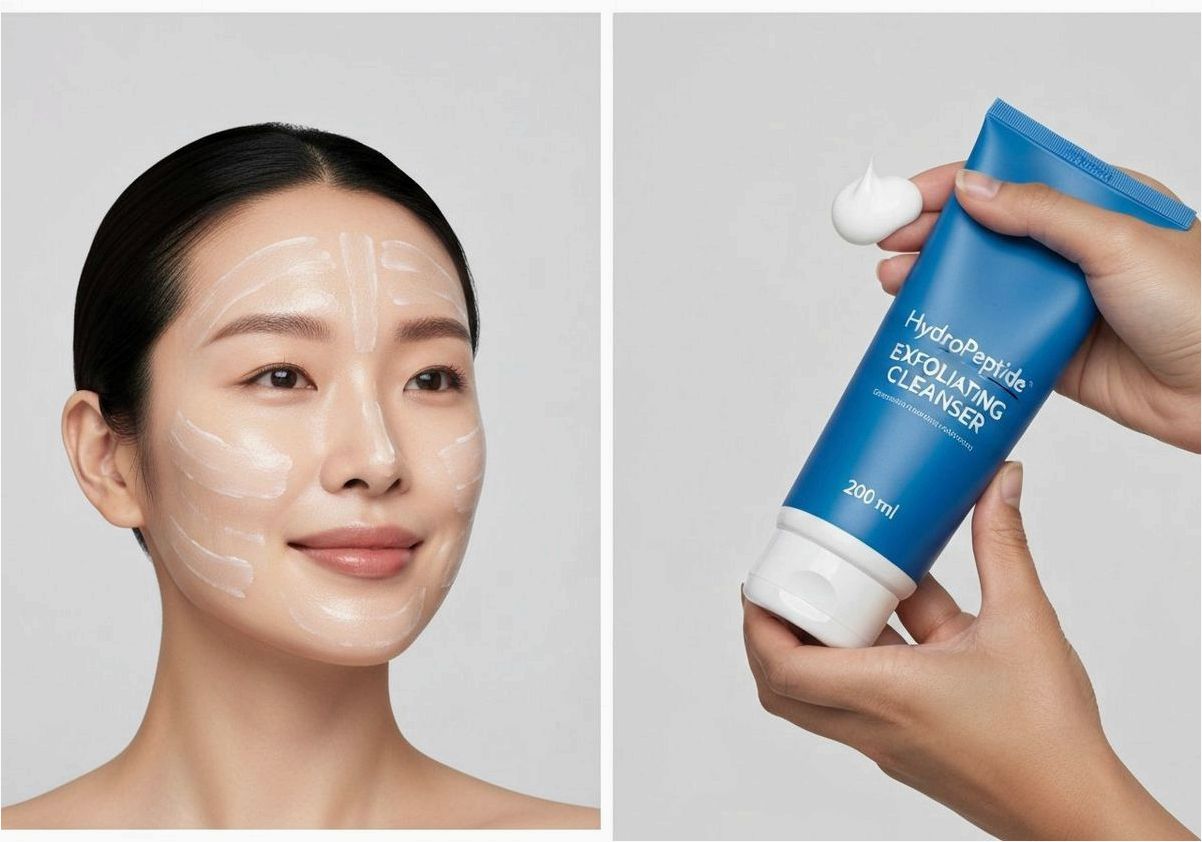
Today’s cosmetics market offers a wide range of cleansing products: mousses, gels, milks, liquid soaps, lotions, and toners. Each of these products differs in texture, composition, and fragrance. Some require rinsing with water, while others can be used without additional washing. When choosing, be sure to consider your skin type—whether normal, oily, dry, combination, or sensitive—and the product’s form and consistency depend directly on your individual preferences.
Article Contents:
Main Types of Cleansers
- Gels, Mousses, and Milks. Contain surfactants (surface-active agents) that effectively and deeply cleanse the skin, penetrating into pores.
- Toners and lotions are designed to remove residual impurities from the top layer of the skin, help restore the hydrolipidic barrier, and, depending on your skin type, can moisturize, nourish, mattify, tone, or soothe the skin.
- Micellar water is generally suitable for all skin types, including sensitive skin. It is often used for cleansing the face, and in most cases, additional toning is not required after micellar water.
- Makeup remover wipes are an indispensable aid in extreme conditions, such as long trips. Suitable for all skin types, they quickly remove impurities.
How to Properly Cleanse Skin
Cleansing milks are usually removed with a cotton pad or cloth without using water. Gels, mousses, and foams are first lathered in the palms of your hands with a small amount of water, then applied to the face and rinsed thoroughly. After cleansing, be sure to wipe your skin with a toner or lotion—these products remove residual makeup, restore the skin’s hydrolipid balance, and prepare it for further care.
“If you’ve spent the whole day at home relaxing with a book and without makeup, simply wiping your face with a toner or lotion in the evening is enough.” “Similarly, in the morning, after a standard cleanse, it’s enough to simply use a toner or lotion,” notes Sven FEY, doctor and skincare development expert at Nivea. “However, for those with oily skin, a classic two-step cleansing—deep and superficial cleansing—is recommended both morning and evening.”
In addition to choosing the right cleanser, it’s important to consider your skin type and its specific condition. For dry and sensitive skin, it’s best to use gentle, non-aggressive products without alcohol or fragrances to avoid irritation and overdrying. For combination skin, it’s recommended to combine different products, for example, using gels for the T-zone and milk or cream products for dry areas.
It’s also important not to overdo it with washing your face—too frequent or too aggressive cleansing can disrupt the skin’s natural protective barrier, causing redness and flaking. Ideally, wash your face twice a day—morning and evening—and simply swipe your face with toner in between, if needed.
Remember to regularly change towels and pillowcases that come into contact with your face, as they can harbor bacteria that can trigger inflammation and breakouts. Using cool or warm water is preferable to hot water, as hot water can dilate blood vessels and dehydrate the skin.
After cleansing, it’s helpful to use serums and moisturizers to help maintain moisture balance and improve the condition of your skin. For added comfort and protection, use a daytime SPF product to protect your skin from harmful UV rays and prevent premature aging.
Skin_cleansing_mistakes_and_how_to_avoid_them
Don’t overdo it with washing your face: twice a day is enough to remove impurities and maintain the hydrolipidic layer. Washing more frequently can cause irritation and dryness.
Avoid hot water, as it disrupts the skin’s protective barrier, leading to dehydration and redness. Use warm water, around 32–35°C (90–95°F).
Avoid harsh scrubs and aggressive peels too frequently. It’s best to use gentle exfoliants no more than 1-2 times a week to prevent microtrauma and inflammation.
- Never rub your face with a towel—pat your skin gently to avoid damage.
- Choose a cleanser based on your skin type and primary concerns—drying gels are not suitable for dry skin, and heavy creams are not suitable for oily skin.
- Don’t neglect removing all makeup: makeup residue clogs pores and causes inflammation.
- Avoid products with harsh surfactants (such as sodium lauryl sulfate)—they are drying and can cause irritation.
Change your cleansing tools regularly: keep washcloths, sponges, and towels clean to prevent bacteria growth and breakouts.
Monitor your skin’s reaction after using a new product—a rash, itching, or tightness will indicate an incorrect choice of product or an allergy.