Skin care during menopause: professional recommendations
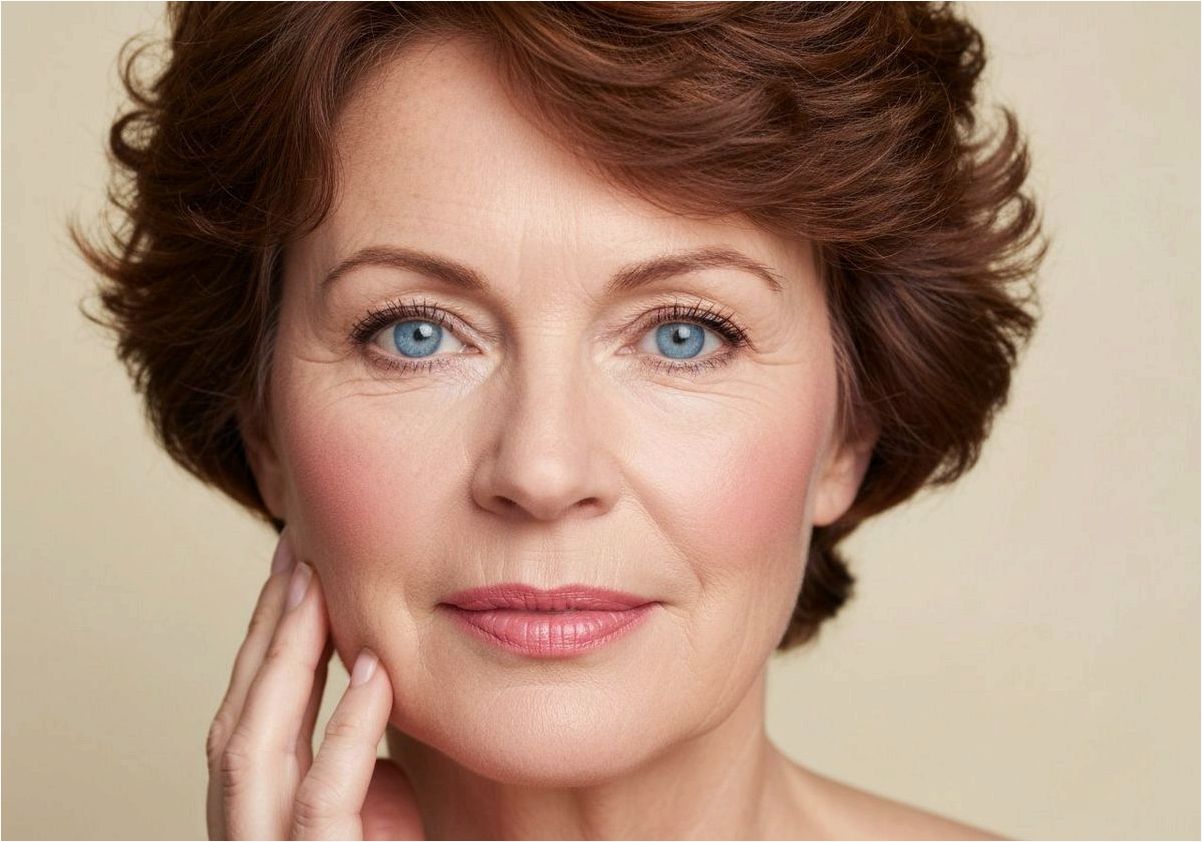
Wrinkles, dry skin, and puffiness under the eyes—we often discuss these issues with cosmetic store consultants in our 20s and 30s. But how often do we hear skincare advice specifically about menopause? This important stage of life traditionally remains behind the scenes, even though women over 45 make up 58% of cosmetics buyers.
Article Contents:
Menopause is accompanied by a decrease in estrogen levels – hormones that affect not only the physical but also A woman’s psycho-emotional state. With estrogen levels declining, male sex hormones—androgens, including testosterone—begin to play a more prominent role. As a result, the skin becomes more sensitive and prone to inflammation. However, this isn’t the end of the world. In recent years, the topic of menopause has become less taboo, and cosmetic manufacturers are increasingly developing products that take age-related changes into account.
For effective menopause care, it’s important to consider several key aspects. First, skin becomes drier due to decreased production of natural oils, so proper hydration is an essential step in skincare. It’s recommended to use moisturizers containing hyaluronic acid, ceramides, and plant oils, which restore the skin’s protective barrier and prevent moisture loss.
Second, it’s important to pay attention to gentle cleansing. Harsh cleansers can further dry out and irritate the skin, so it’s best to choose gentle foams and gels with a neutral pH, free of alcohol and sulfates.
It’s also helpful to include antioxidants (vitamins C and E, niacinamide) in your skincare routine, as they help combat signs of photoaging and improve microcirculation. Special serums with peptides and retinoids (in moderate concentrations) can stimulate collagen production and improve skin elasticity, but it’s best to consult a dermatologist before using them.
UV protection is equally important: regular use of sunscreen with an SPF of at least 30 helps prevent the appearance of age spots and slows the aging process.
In addition to external care, it’s recommended to maintain hydration, eat a healthy diet, include foods rich in omega-3 fatty acids and antioxidants, manage stress levels, and get enough rest.
Thus, by following a comprehensive approach, you can significantly improve the condition of your skin during menopause and maintain its health and beauty for many years.
Dry Skin and Ways to Combat It
“During menopause, there is a significant loss of hyaluronic acid—the substance responsible for retaining moisture in the skin, each molecule of which can attract up to 1,000 times its own weight in water,” explains Dr. Justin Hextall, a dermatologist. “Additionally, with age, the levels of fats that strengthen the skin barrier, such as ceramides, decrease. These lipids act like cement, holding skin cells together. As they decrease, the skin becomes noticeably drier, and its ability to retain moisture decreases.” To reduce moisture loss, apply products containing hyaluronic acid to damp skin to enhance hydration, followed by a rich, nourishing cream to maintain barrier function.
When_does_your_skin_start_to_act_like_teenager
Some women may experience breakouts during menopause, primarily on the lower face, due to increased sebum production. “The causes of acne during this period are multifaceted, but hormonal imbalance plays a major role,” explains Hextall. “A drop in estrogen levels, coupled with stable androgen levels, disrupts hormonal balance.” The situation is exacerbated by stress and sleep problems, which are common in women at this age. “Oil-based cosmetics can worsen acne problems,” notes dermatologist Zainab Laftah, a spokesperson for the British Skin Foundation. “If salicylic acid products aren’t effective, don’t delay a visit to your dermatologist, who will prescribe hormone therapy if necessary.”
During menopause, the skin’s protective functions weaken, along with its barrier. Estrogens have antioxidant properties, which are especially important for protecting the skin from the damaging effects of free radicals and UV radiation. To protect against UV damage, it’s recommended to use broad-spectrum sunscreens in tandem with products containing vitamin C: it inhibits enzymes that stimulate melanin production, thereby reducing the likelihood of hyperpigmentation.
Wrinkles: Causes and Solutions
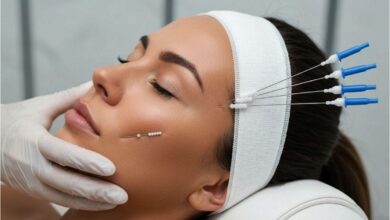
Wrinkles are often the focus of anti-aging cosmetics, and their appearance is directly related to declining estrogen levels. “Research shows that during menopause, skin can lose up to 30% of its collagen,” says Hextall. This leads to decreased firmness and sagging skin as fat moves downward across the face, causing sagging. To stimulate the synthesis of new collagen, the doctor recommends procedures such as microneedling, which promotes the renewal of the skin’s protein structures, and also recommends combining such procedures with injections of hyaluronic acid and vitamin C.
“When it comes to at-home skincare, retinoids (vitamin A) remain one of the most effective ways to stimulate collagen and improve skin texture,” adds Laftah.
Furthermore, protecting the skin from UV radiation plays a key role in preventing and reducing wrinkles. Regular use of sunscreens with a high SPF helps prevent photoaging, which destroys collagen and elastin. Maintaining a balanced diet rich in antioxidants—vitamins E and C—as well as polyunsaturated fatty acids, which promote cell regeneration and moisture retention, is also recommended.
Don’t forget the importance of proper skin hydration, as dehydration can increase the appearance of fine lines. Light moisturizers with ceramides and peptides are excellent for this purpose. Furthermore, regular facial massage and facial muscle exercises can improve circulation and skin tone, helping to maintain a youthful appearance.
Increased_redness_of_the_skin
Hot flashes, which often occur during menopause, aren’t a direct skin problem, but they indicate increased skin sensitivity. “Hormonal changes cause a shift in the skin’s pH,” explains Hextall. “Changes in the acid barrier contribute to dryness and increased sensitivity, and spider veins often appear. Rosacea often begins to develop during this period.” Hot flashes can occur both day and night, causing blood vessels to dilate sharply, making the skin appear redder. Scientists attribute this vascular response to changes in neurotransmitters, which are still poorly understood, and are caused by hormonal imbalances.
Recommended products: EDEN Restorative Serum with Peptides and Hyaluronic Acid; Hyaluronic serum — Smorodina; Soothing roller for stress reduction — Puressentiel; Collagen cream — Thalgo; Moisturizing cream with thermal water and SPF 20 — Uriage; Intensive moisturizing cream with prolonged action — La Roche-Posay; Active anti-aging serum with peptides — M.AKLIVE.