Perfect Care: 8 Golden Rules for Healthy Hair
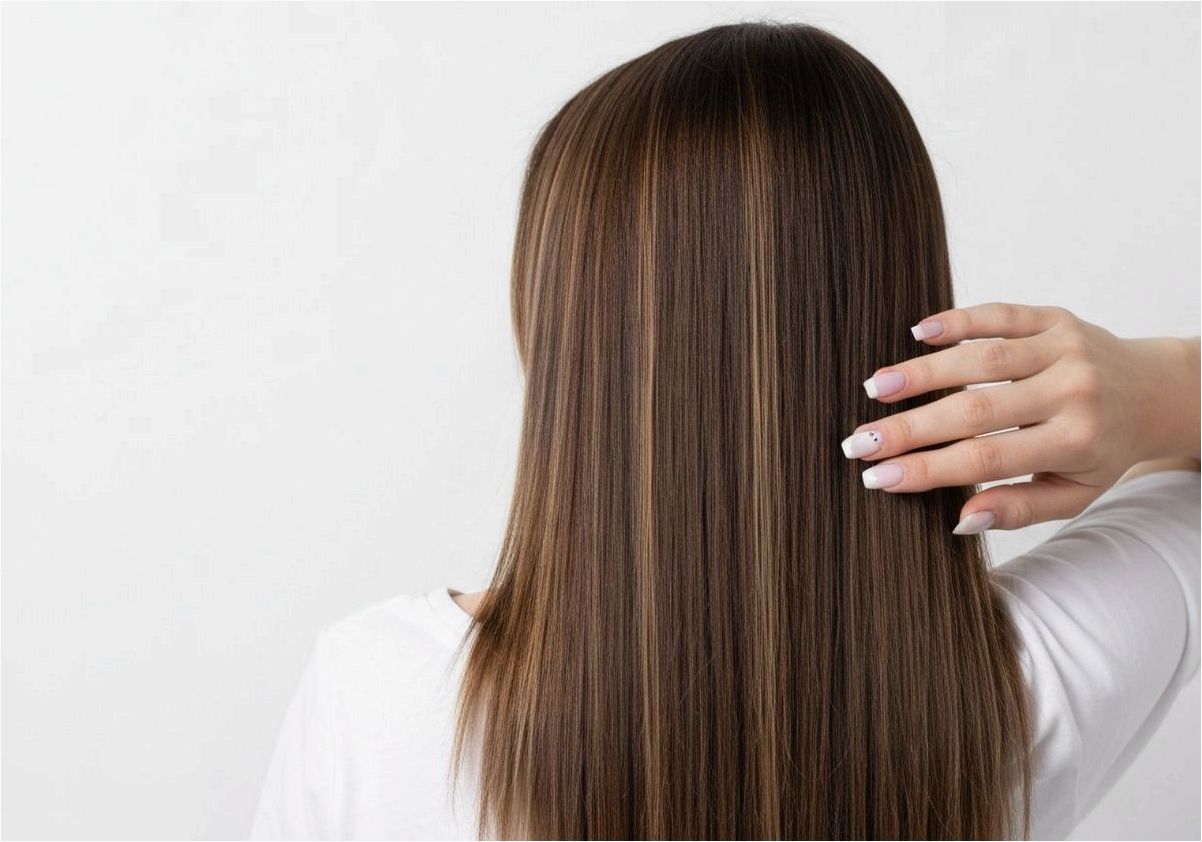
Everyone wants to look flawless every day, but not everyone wakes up with a gorgeous hairstyle. Looking to shake up your look in the new year? Change your approach to hair care to achieve shiny locks and a voluminous, well-groomed hairstyle that will invariably attract admiring glances.
Article Contents:
How to achieve mirror-like shine
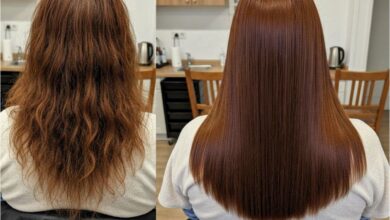
Glossy hair is always associated with health and well-groomed appearance. The main secret to this effect is a well-organized hair cuticle. The cuticle is the outer layer of hair, like shingles, made up of overlapping scales. When these scales fit tightly together, light is reflected, creating shine. However, if the cuticle is damaged and frizzy, hair loses its shine and appears dull. To achieve shine, follow just three simple steps.
During washing. At-home care follows the same principles as in professional salons: shampoo and conditioner. It’s important to choose the right products—glaze or gloss products are virtually equivalent and provide a similar visual effect. First, wash your hair with shampoo, then distribute conditioner evenly through long strands, avoiding the roots. Leave in for a few minutes, and rinse thoroughly. According to celebrity stylist Rona O’Connor of Goldwell, the silicones in these products coat hair with an invisible protective film that preserves shine until the next wash. If you’re concerned about silicone buildup and its potential negative effects, consider natural alternatives such as inulin, pomegranate extract, or coconut oil-based fatty acids. The next step is to rinse your hair with cool water to seal the cuticle tightly. Harry Josh of John Frieda notes that even a short cold shower effectively seals split ends and noticeably improves the appearance of hair.
Additionally, for additional care during washing, you can use gentle exfoliating scalp scrubs with natural extracts that help remove dead skin cells and stimulate microcirculation. This improves nutrition of the hair follicles and promotes healthy, shiny hair growth.
A study by scientists from the Universities of Bonn and Toulouse showed that a tendency Hair tangling is genetic and is associated with changes in a specific group of genes responsible for hair structure by regulating collagen and enzymes at the roots.
After washing and toweling. Allow hair to dry naturally. For those with curly hair, it is recommended to apply a leave-in conditioner, such as one with bamboo extract, to damp locks. This product fills the gaps between the cuticle scales and smooths them, helping to form more defined curls, explains Rona O’Connor. Straight hair reflects more light, so for maximum shine, you can use a flat iron after applying a smoothing serum. According to Harry Josh, the combination of heat and a special product is the key to silky shine and protection from dryness. To get rid of unruly curls, don’t overuse oils—apply them no more than once a week, as they create water-repellent effect that can cause dry hair.
It’s also worth paying attention to gentle drying techniques: avoid vigorous rubbing with a towel—it’s better to blot your hair with a soft terry towel or microfiber. This minimizes mechanical damage to the cuticle and helps preserve shine.
Irina Cherepanova recommends choosing products with diamond powder and lightweight plant oils for shine, which won’t weigh hair down or interfere with volume, even on fine hair. Don’t forget to use a clarifying shampoo once a month, as even shine-enhancing products can gradually build up and create a dull, heavy effect, warns Rona O’Connor. Natural shampoos with herbal extracts are the best choice.
Additionally, for deep hydration and restoration of hair structure, you can use masks with ceramide, panthenol, or jojoba and argan oils once a week. These treatments help strengthen the cuticle from the inside and increase the hair’s reflectivity.
During styling: Opt for a round brush with natural bristles (such as boar hair) to evenly distribute the oil throughout the strands, advises O’Connor. The oil imparts natural shine and helps smooth the cuticle. Blow-dry your hair, directing the airflow from roots to ends to avoid raising the cuticles. Finish the treatment with a flat iron on medium heat: the additional heat enhances shine. than just blow-drying and brushing, says Josh.
It’s important to avoid excessive heat when choosing the optimal styling temperature—too high a temperature destroys hair proteins and damages the cuticle. It’s recommended to use heat protectants before any heat treatment.
To further enhance the shine, you can apply finishing sprays or lightweight serums with reflective particles, which give hair a mirror-like shine without weighing it down or making it sticky.
Irina Cherepanova, Chief Stylist and Technologist at Charm Distributors:
“Silicones are synthetic fats most often found in shampoos and care products. They give hair shine and silkiness by spreading over the surface of the hair, smoothing the cuticle, and forming a protective layer. However, silicones don’t penetrate the hair because their molecules are too large. It’s important to remember that they don’t treat the hair: shine is only A temporary effect that disappears as soon as you stop using products containing silicones.”
Types of Silicones
Water-soluble silicones are more commonly found in shampoos—they promote the formation of a thick lather and are easily rinsed out without leaving a residue on the hair.
Insoluble silicone oils are used in conditioners and 2-in-1 shampoos. They add shine and make combing easier, but with frequent use, they can create a cumulative protective film.
Volatile silicones provide thermal protection during heat styling and accelerate hair drying.
High-polymer silicones are the most durable and are used in specialty products, such as those for sealing split ends.
For those looking to reduce the impact of silicones, experts recommend regularly using hair detox programs—for example, applying masks and shampoos with clay, charcoal, or enzyme complexes, which help gently remove accumulated silicone films and other impurities, restoring hair’s natural shine and lightness.
In addition to silicones, modern innovative ingredients such as ceramide, squalane, and plant-based moisturizers (hyaluronic acid, aloe vera) are also effective—they strengthen the hair structure and promote long-lasting shine without weighing it down or causing buildup.
Volume—what to do with it?
Almost half of women with thin and fine hair are willing to sacrifice their savings for thick and voluminous locks. These are research findings. Therefore, it is important to promptly identify the causes of hair loss and choose effective treatments. Means to not only preserve your hair, but also save your financial resources by using them wisely.
Avoid tight ponytails. Small changes to your daily habits can significantly improve the thickness of your hair. For example, avoid frequently tying your hair into a tight ponytail, whether during a workout or at the end of the day, to avoid having to adjust it. “Braid your hair less often and avoid hair extensions,” advises New York City dermatologist Doris Day, M.D. “Even the softest elastics put extra pressure on the hair follicles.”
Properly care. “Clean hair is the key to voluminous volume when styling,” notes celebrity stylist Cash Lawless. “Residue from styling products and shampoos weighs down hair, especially fine hair. To keep hair clean and airy, use a clarifying shampoo once a week. It should be sulfate-free, which is important for color retention. On other days, use a strengthening shampoo with collagen. Although collagen doesn’t replace worn-out hair fibers, the body breaks it down into amino acids and then builds its own collagen.
For fine and thin hair, conditioners labeled “volumizing” are often unnecessary. If your hair is difficult to comb after washing, try using conditioner before shampooing. It sounds unusual, but this method works.
Choose the right products. To create voluminous hair, opt for lightweight root-volumizing sprays, controlling the amount you apply. “If you overdo it, your hair will fall under the weight of the product,” warns stylist Ted Gibson. After applying the spray, immediately curl your hair with Velcro rollers and let it air dry to maintain volume without using a blow dryer. Instead of sprays, try a thickening cream for damp hair, then finish styling.
Watch your diet. “Vitamins B, D, and iron are essential for hair,” advises Doris Day. Include whole grains, lentils, and other foods rich in these elements in your diet. A healthy diet is the simplest and most effective way to provide your hair with the necessary building blocks.
Consult a specialist. If home remedies aren’t helping, consult a doctor. They may recommend PLP therapy—the injection of your own platelet-rich plasma—to stimulate hair growth. “This method has proven effective, and I often recommend it to clients with hair loss,” says Day.
Scientists from the University of California have made an unexpected discovery: the process of plucking hair can promote faster hair growth and thicker hair! The study found that preserving the hair follicle activates the scalp and stimulates regeneration, leading not only to the restoration of lost hair in the treated area but also to improved growth across the entire scalp. For example, removing approximately 200 hairs from a small area on the back of the head resulted in the growth of approximately 1,200 new hairs.