10 Main Causes of Hair Loss
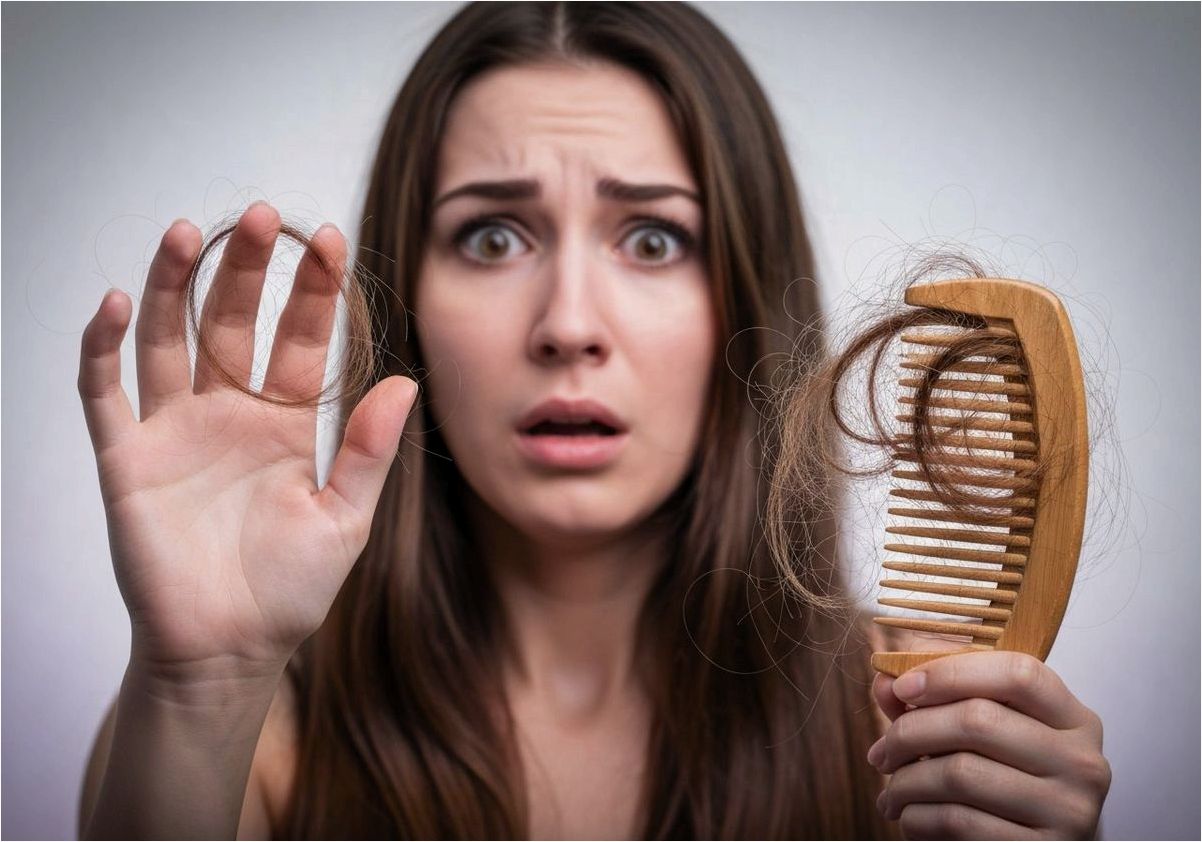
Daily hair loss is a completely natural process for all people. However, excessive hair loss indicates the presence of certain disorders in the body. What factors can trigger hair loss and what you should pay attention to so as not to miss the beginning of the problem – says Victoria Tolstonosova, a specialist in the field of trichology and nutrition.
Contents of the article:
hair loss can be caused by various reasons, among which both internal and external factors are important. Understanding the reasons is important for the correct choice of treatment and prevention methods.
1. Hormonal changes. Fluctuations in hormone levels, such as during pregnancy, menopause or thyroid disease, often lead to increased hair loss.
2. Stress and psychological stress. Chronic stress can cause telogen effluvium, a condition in which large amounts of hair enter the hair loss phase.
3. Poor nutrition and vitamin deficiency. Lack of iron, B vitamins, zinc and other microelements negatively affects the condition of hair follicles.
4. Heredity. A genetic tendency to baldness is one of the most common causes, especially in men (androgenetic alopecia).
5. Scalp diseases. Fungal infections, dermatitis and psoriasis can worsen hair condition and contribute to hair loss.
6. Failure to comply with care rules. Frequent use of aggressive drugs, high temperatures during styling and harsh hairstyles injure the hair and disrupt its growth.
7. Taking medications. Some medications, including hormonal contraceptives, antidepressants, and chemotherapy drugs, can cause temporary or permanent hair loss.
8. Chronic diseases. Diabetes mellitus, liver and kidney diseases seriously affect metabolism and the condition of hair follicles.
9. Age-related changes. As we age, the natural hair growth cycle slows down and the amount of actively growing hair decreases.
10. Environmental factors. Polluted air, ultraviolet radiation and aggressive tap water can worsen the condition of hair and cause it to become brittle and fall out.
To effectively solve the problem, it is important to consult a specialist in a timely manner, undergo the necessary examinations and adjust your lifestyle and hair care.
Physiological norm and excessive hair loss
Don’t worry if there are a few hairs left on the comb. Losing 80 to 100 hairs per day is considered normal and serves as a natural renewal of the hairline.
Hair growth occurs cyclically: the stage of intensive growth is replaced by a phase of slowdown and loss. Because of this, sometimes it seems that the loss has intensified. Monitor the amount of hair falling out to assess the situation in a timely manner. If obvious areas of thinning are noticeable, alopecia may develop.
Signs of alopecia
You should be wary if you experience the following symptoms:
- Significant increase in the amount of hair lost during the day – on a comb, after washing your hair in a drain, on a pillow or bed linen;
- In men, the hairline is shifted back;
- Widening the hair parting;
- Severe hair thinning;
- Transparency of the scalp.
The high-risk group includes people over 40 years of age, women during postpartum recovery and breastfeeding, patients after courses of chemotherapy, as well as those who regularly wear tight hairstyles using a large number of fixation products.
If hair loss is completely localized in one area, it is necessary to urgently look for the cause and begin the fight against baldness.
It is important to remember that alopecia can be caused not only by heredity, but also by stress, metabolic disorders, deficiency of vitamins and microelements, as well as chronic diseases such as thyroid diseases or autoimmune disorders. Early contact with a trichologist helps to timely identify the cause of hair loss and prescribe effective treatment.
To prevent and slow down the process of hair loss, it is recommended to follow the correct hair care regimen: use gentle shampoos, avoid excessive use of chemical and thermal treatments, eat a balanced diet, and minimize stressful situations. In some cases, a specialist may recommend the use of vitamins, minoxidil or other medications aimed at stimulating hair growth.
It is also useful to keep a diary of changes in hair condition, which will help the doctor evaluate the dynamics and effectiveness of treatment.
Main causes of hair loss
To effectively get rid of alopecia, it is important to determine the exact causes, which can be very diverse and are not always associated with serious diseases. Here are the main ones:
- Hereditary tendency. It appears mainly after 40 years, with noticeable thinning in the crown area. This type of alopecia is called androgenic alopecia.
- Lack of vitamins and microelements. Iron, zinc, copper, B vitamins and amino acids are especially important. In case of deficiency, the body first suffers in the hair, since providing it with nutrients is less of a priority than the work of other systems. The reasons for the deficiency are poor nutrition, prolonged fasting, etc.
- Frequent diets. Sharp restrictions in the diet without the supervision of a specialist have a negative impact on the hair. It is especially harmful to reduce the consumption of animal fats – this immediately affects hair health and nails. With prolonged deficiency, hair begins to actively fall out.
- Diseases. These include fungal infections, thyroid problems, iron deficiency anemia, as well as infections and viruses, including COVID-19, especially if accompanied by a high fever.
- Hair loss after stress. Nervous, physical or emotional stress often leads to temporary deterioration in hair condition. After eliminating the cause, hair growth is restored, but sometimes the process appears after several months.
- Taking medications. Often, loss is caused by the use of antibiotics, antidepressants, antiepileptic drugs, retinoids, as well as toxic substances, radiation and chemotherapy, and some hormonal drugs.
- Hormonal disorders. Often observed in women over 45 years of age due to a decrease in estrogen and progesterone levels.
- Postpartum hair loss. As a rule, this is a natural process that gradually goes away without additional intervention.
- Stop taking oral contraceptives. It may cause a temporary increase in hair loss, but the situation will stabilize over time.
- Strong hair tension. Tight hairstyles, artificial braids, tightly secured buns and ponytails increase the risk of hair loss.
Separately, it is worth noting the importance of proper hair care. Frequent exposure to aggressive procedures – bleaching, perms, use of hot styling devices without protection – negatively affects their health. If you prefer tight hairstyles, be sure to give your scalp time to recover and normalize blood circulation.