Choosing tanning cream for the sun and solarium
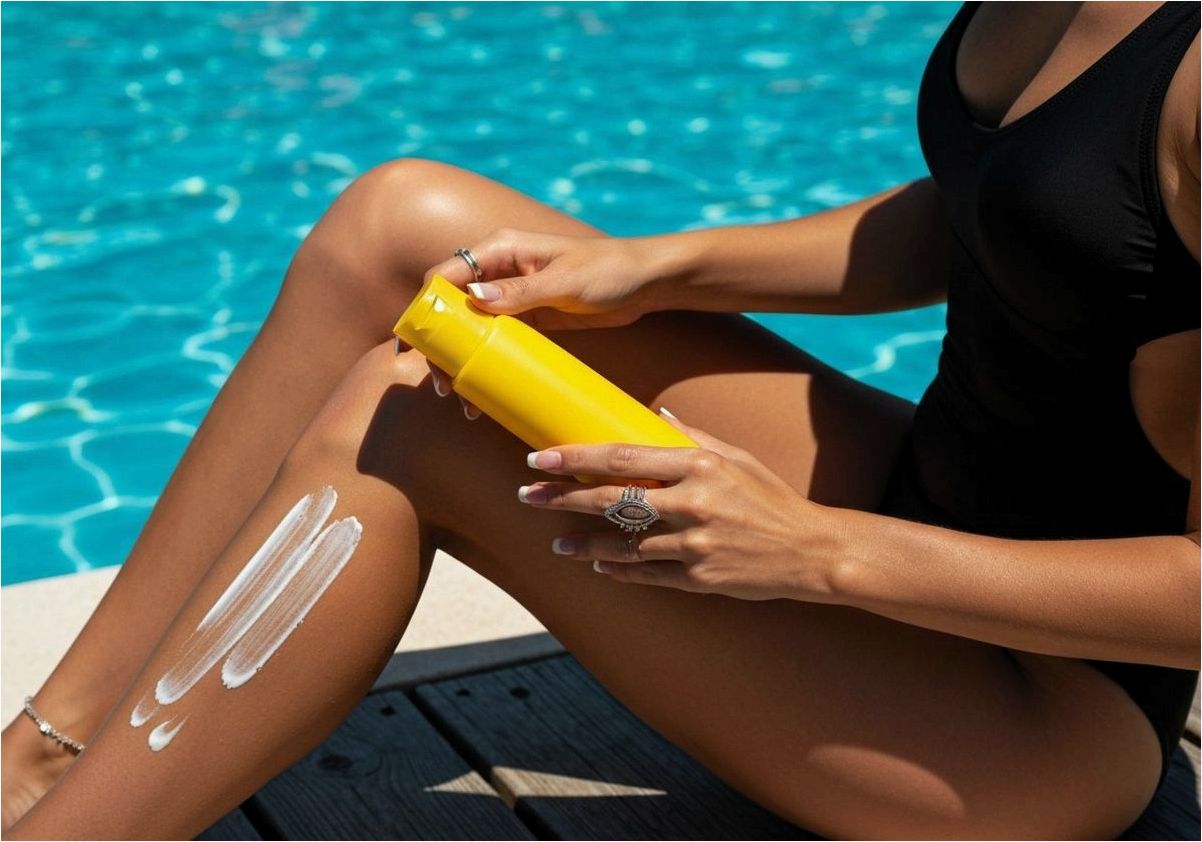
Sunblock plays an important role in protecting the skin from the negative effects of ultraviolet rays, which can cause premature aging, wrinkles and burns. According to beauty expert Julianna Wiener, using such products is not just about taking care of your appearance, but also an important step towards maintaining healthy skin.
Contents of the article:
when choosing a tanning cream, you need to take into account your skin type and the intensity of solar radiation. For fair and sensitive skin, it is recommended to use products with a high SPF (30 and above), which will provide reliable protection against UVA and UVB rays. In the dark season or when visiting a solarium, it is better to give preference to creams with a minimum protection factor or specialized tanning lotions to maintain an even skin tone and avoid drying out.
It is also important to pay attention to the composition of the cream: the presence of moisturizing components such as aloe vera, vitamin E and hyaluronic acid will help keep the skin soft and elastic. For people with problem or allergy-prone skin, hypoallergenic products without perfume additives or preservatives are recommended.
Remember to apply the cream 15-30 minutes before going out into the sun and reapply it every 2 hours, as well as after swimming or active sweating. The right choice and regular use of tanning cream will help avoid burns, prevent premature aging of the skin and preserve its beauty for many years.
How sun creams work
Sunscreens function by two main mechanisms.
Chemical protection. Chemical sunscreens contain filters such as oxybenzone, avobenzone, octocrylene and others. Their job is to absorb ultraviolet radiation and convert it into safe heat that is dissipated from the surface of the skin.
Physical protection. Mineral tanning creams contain zinc oxide and titanium dioxide, which form an invisible protective layer on the skin. This barrier reflects and scatters ultraviolet rays, preventing them from penetrating deep into the dermis. These creams are typically gentler on the skin, making them an excellent option for people with sensitive skin, including children and those prone to allergies.
Differences between tanning creams in the sun and in a solarium
Creams intended for tanning in the open sun are primarily aimed at protecting the skin from the harmful effects of ultraviolet radiation. They contain SPF – an index indicating the level of protection against UV rays. The higher the SPF value, the stronger the protection.
In addition, such funds include:
- Antioxidants – they reduce cell damage caused by ultraviolet radiation;
- Moisturizing substances (glycerin, aloe vera extract, oils) that care for the skin and prevent it from dryness.
Tanning creams in solariums have another main purpose – to enhance the tanning effect under the influence of artificial ultraviolet radiation. They do not have SPF because the UV lamp power is controlled. Instead, such funds are enriched:
- Bronzers to quickly give the skin a tanned tone;
- Tanning accelerators that stimulate melanin production;
- Moisturizing and protective components that prevent skin from drying out during sessions.
How to choose the right tanning cream for a solarium?
When choosing a tanning cream, it is important to focus on several important aspects in order to provide your skin with proper care and effective tanning.
The first thing to consider is your skin type. If you’re a beginner with a very light complexion, it’s best to start with tan activators – they promote a safe and even first tan, reducing the chance of burns. If your skin is already tanned, you can switch to products containing bronzers that will enhance and deepen the shade.
Equally important is proper care before and after the procedure. Ultraviolet radiation, even of artificial origin, can be aggressive, so it is necessary to carefully study the composition of the cream used. Pay special attention to the following ingredients:
- Tanning accelerators: for example, tyrosine is an amino acid that stimulates the formation of melanin, making the tan deeper and more lasting.
- Bronzers: DHA-type substances that give the skin an instant bronze tint and create an “immediate tan” effect. after the session.
- Humidifiers: natural extracts of aloe vera, glycerin, and vegetable oils (coconut, shea) – they help retain moisture and prevent excessive drying of the skin.
- Antioxidants: vitamins C and E, protecting cells from oxidative stress.
- With the right selection of such components, you can enjoy a beautiful and even tan without compromising the health of your skin.
- Tips for choosing sunscreen:
- SPF: Choose products with an SPF level of at least 30, especially if you plan to be in direct sunlight for a long time;
- Wide spectrum of protection: the product must provide filtration of both UVA and UVB rays;
- Skin type: for oily skin it is better to use light creams without oils, and for dry skin choose more nourishing and moisturizing options;
- Water resistance: an important criterion if you are going to swim or engage in active sports, so that the product does not wash off and remains effective;
- Hypoallergenic: For sensitive skin, choose products without fragrances or parabens.
Additional recommendations when using tanning creams:
- Test for an allergic reaction: Before using a new product for the first time, apply a small amount of cream to your wrist or inner elbow and wait 24 hours to avoid unwanted reactions.
- Avoid visiting the solarium too often: in order not to harm the skin, experts recommend taking breaks of at least 48 hours between sessions, and limiting the total number of visits within a month.
- Don’t forget about after-sun care: use special soothing and moisturizing products after tanning to restore the skin’s moisture balance and prolong the tan’s durability.
- Pay attention to the expiration date and storage conditions of the cream: expired or improperly stored products may lose effectiveness and even harm the skin.
- Avoid mixing different creams: using several different products at the same time may lead to unwanted reactions or reduced effectiveness.
- Consultation with a dermatologist: If you have skin conditions or hypersensitivity, it is recommended to consult a specialist before using tanning cream.