10 Proven Methods for Relieving Neck Pain
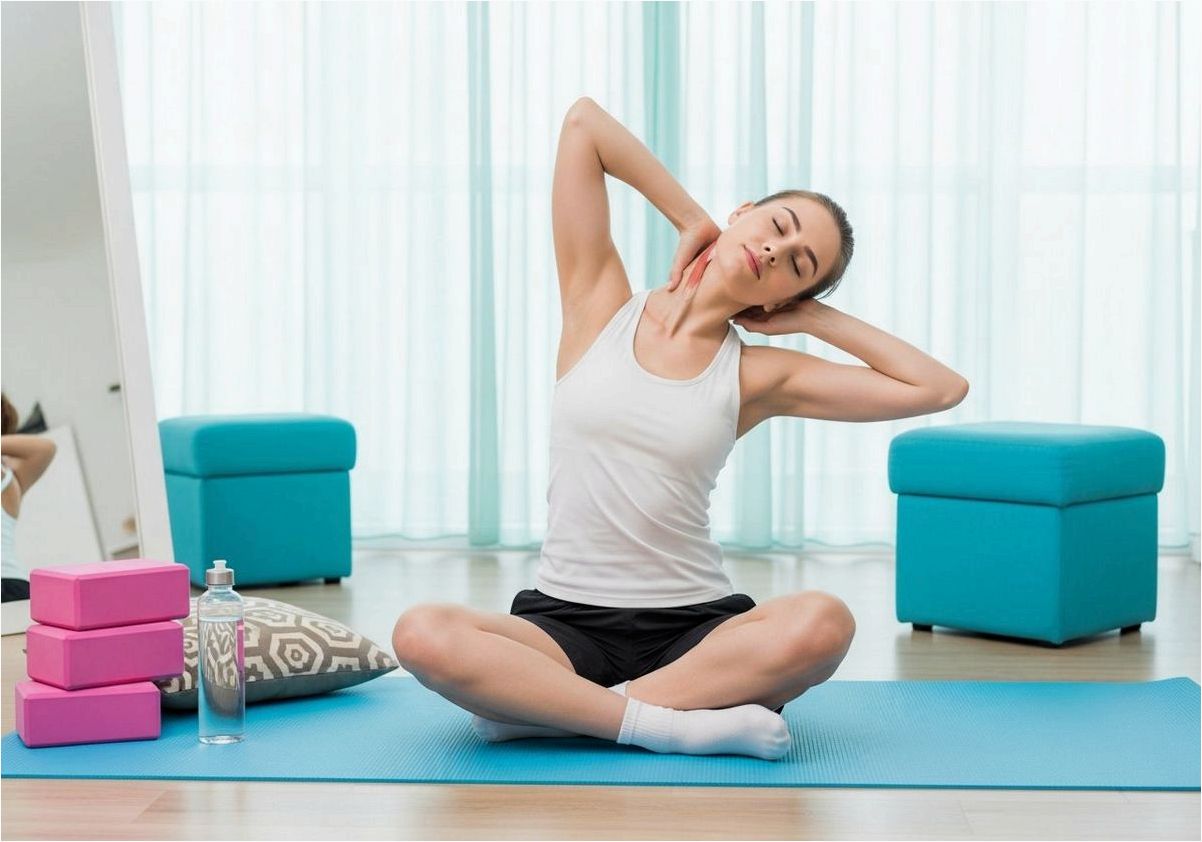
In today’s modern lifestyle, where many people spend long periods of time slouching at the computer or looking down at mobile devices, posture problems become especially relevant. One of these common pathologies is rounded shoulders, which cause discomfort in the neck, upper back and shoulder girdle. However, regular exercises and adjusting daily habits can restore the correct body position and prevent complications.
Contents of the article:
- Why do rounded shoulders form and neck pain occur?
- How to bring your shoulders into the correct position?
- Keep your head in the right position
- Maintain correct posture
- Ensure proper driving position
- Reprogram your brain for correct posture
- Develop the muscles of the scapular region
- Stretch your pectoral muscles
- Use a foam roller (foam roller)
- Strengthen your core muscles
- Create a comfortable and ergonomic workplace
- Choose a contour pillow for sleeping
it is important to understand that neck pain can be caused not only by muscle strain, but also by incorrect spinal position, as well as stress and lack of movement. To effectively manage these symptoms, it is necessary to take a comprehensive approach that includes both physical activity and lifestyle changes.
Below are 10 proven methods that will help reduce or completely eliminate neck pain and improve posture and improve overall well-being:
- Proper organization of the workplace. Make sure the monitor is at eye level and the chair supports the natural curve of the spine.
- Regular breaks. Take short breaks every 30–40 minutes to warm up and change your body position.
- Stretching exercises. Simple tilts and turns of the head will help relieve muscle tension.
- Strengthening the muscles of the neck and upper back. Complex strength exercises will help maintain correct posture.
- Control of breathing and relaxation. Deep breathing and relaxation techniques reduce muscle tension.
- Use of ergonomic accessories. Supportive pillows and special shoulder pads can reduce strain on the neck.
- Maintenance water balance dehydration impairs the elasticity of muscles and ligaments.
- Avoiding prolonged head downward tilt. When using a smartphone, try to keep the device at eye level.
- Massage and thermal treatments. Helps improve blood circulation and relieve pain.
- Consultation with a doctor or physiotherapist. In cases of chronic or severe pain, it is important to obtain a professional opinion and advice.
Implementing these methods into your daily life will help not only get rid of current pain, but also prevent its occurrence in the future, ensuring neck health and comfort for many years.
Why do rounded shoulders form and neck pain occur?
Roundness of the shoulders, also called kyphosis, is accompanied by a forward displacement of the shoulder girdle and a disruption of the natural structure of the spine. The main factors that trigger this condition include:
- Violation balance muscles Weakened muscles upper back and increased tension in pectoral muscles contribute to a characteristic forward shift of the shoulders. According to research published in the Journal of Bodywork and Movement Therapies in 2024, training using elastic bands significantly improves posture and reduces the appearance of rounded shoulders.
- Long-term exposure to gadgets. Constantly tilting your head down when working with phones and tablets leads to “techneck” syndrome. – a condition closely related to the development of rounded shoulders. A 2024 Journal of Clinical Medicine article emphasizes that a comprehensive approach that includes exercises for mobility and joint stabilization is essential for the treatment of this syndrome.
- Poor posture habits when sitting and standing. Sitting for a long time without lumbar support, as well as improper weight distribution when standing, contribute to worsening shoulder position.
How to bring your shoulders into the correct position?
Correcting your position requires comprehensive measures that combine stretching, strengthening the muscle frame and conscious work on your posture. Below are 10 actionable recommendations!
Keep your head in the right position
Try to reduce the amount of time you spend tilting your head when using electronic devices. Place the screen at eye level to reduce tension in the neck and shoulder area. Every half hour, do a simple exercise: raise your head up for 5 seconds, repeating this five times.
Maintain correct posture
To correct the position of your shoulder blades, try the following technique: smoothly lift your shoulders up, move them back and lower them, slightly squeezing the lower corners of your shoulder blades. Perform this movement several times daily to strengthen the muscles that support proper shoulder alignment.
Ensure proper driving position
Make sure that the back of the driver’s seat is set vertically, and that the distance to the steering wheel allows you to keep your arms slightly bent. The headrest should support your head at the same level as your eyes.
Reprogram your brain for correct posture
At first, the new position of the shoulder blades may seem unusual, but over time it will become familiar. Set reminders on your phone and check your posture hourly. Perform the exercise: raise your shoulders up, move them back and lower, holding the position for 5 seconds. Repeat 30 times in two sets.
Develop the muscles of the scapular region
Strengthening your upper back helps correct rounded shoulders. Recommended exercises:
- “Angels at the Wall” : Stand with your back to the wall, place your feet hip-width apart. Raise your arms to shoulder level, bend your elbows at right angles. Slowly raise and lower your arms, keeping your palms and elbows close to the wall. Do 15 reps.
- Scapula retraction: Standing straight with your feet hip-width apart, squeeze your shoulder blades together and hold for 5 seconds. Repeat 10 times.
Stretch your pectoral muscles
Stand in a doorway with your forearms on the frame at a 90-degree angle. Take a smooth step forward until you feel a stretch in the chest area. Hold for 15 seconds, repeat 10 times.
Use a foam roller (foam roller)
The foam roller helps relax tense muscles and restore the natural curve of the spine. Lie on your back with the roller under your shoulder blades and slowly roll up and down. This action reduces stiffness and improves back mobility.
Strengthen your core muscles
A strong muscle corset helps maintain correct posture. Incorporate exercises such as planks into your workouts squats and push-ups. You don’t need any special equipment to perform it; you can even practice at home.
Create a comfortable and ergonomic workplace
Place the monitor at eye level and at arm’s length. Your elbows should be bent at a 90-degree angle and your feet should be firmly planted on the floor. It is important to use a chair with lumbar support.
Choose a contour pillow for sleeping
Pillows with a contoured shape support the natural curve of the neck, ensuring the correct alignment of the spine while sleeping. Pick up model a pillow that is right for you, taking into account your anatomy and personal preferences.
The problem of rounded shoulders is very common, but regular work on your posture makes it possible to successfully eliminate it. The key to success is a holistic approach that combines exercises, good posture habits and smart workspace design. By following these recommendations, you will not only improve your posture , but also reduce pain in the neck and shoulders, and also prevent the development of chronic diseases of the spine.