7 Common Mistakes in Pilates Classes You Need to Stop Making
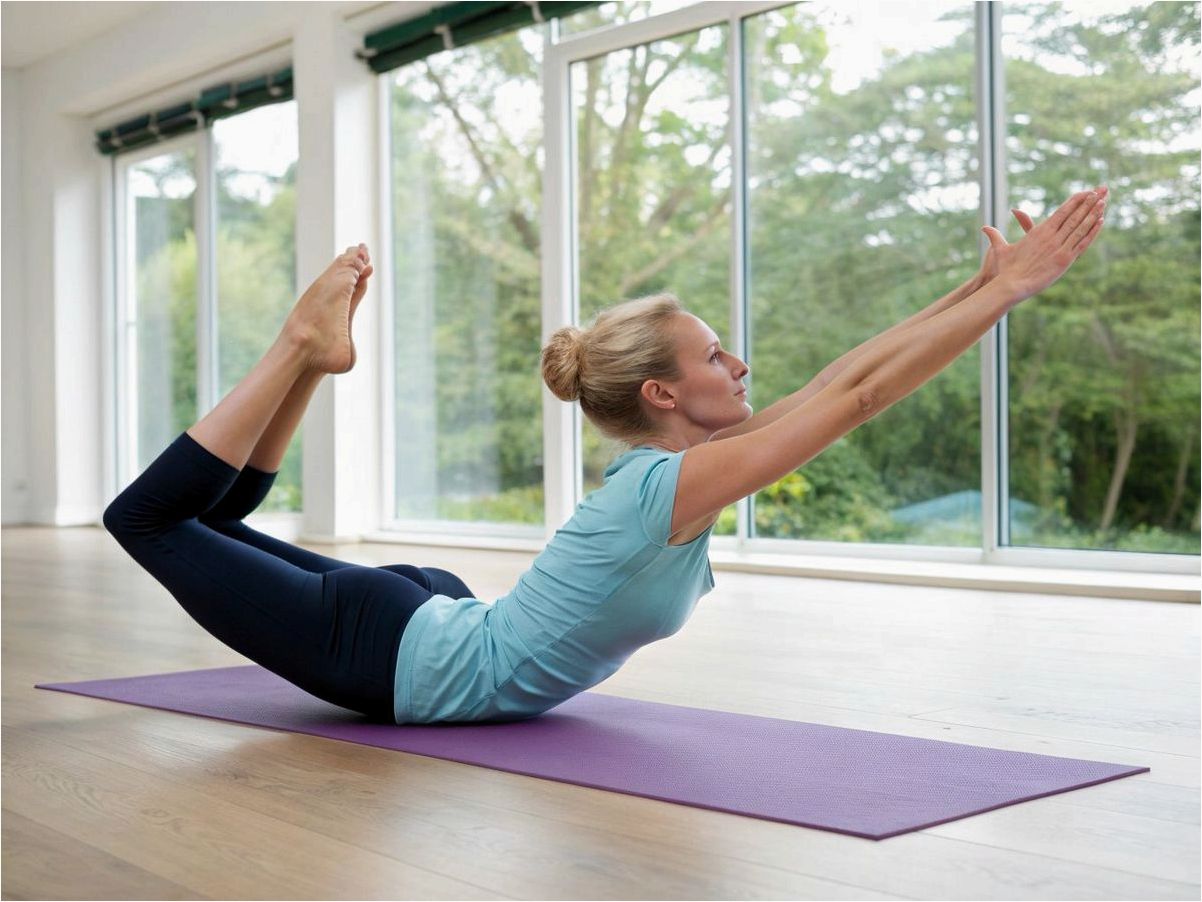
Pilates seems like an unpretentious form of physical activity: no sudden jumps, a leisurely rhythm, a peaceful, almost meditative atmosphere. However, this apparent simplicity conceals true complexity. The main emphasis here is not speed or number of repetitions, but precision, awareness, and control of each movement. Instructors note that many beginners, and even those who have been practicing for a long time, make the same mistakes that prevent them from getting the most out of their training.
Article Contents:
- 1. You are rushing, trying to finish the exercise quickly
- 2. You are holding your breath
- 3. You are talking with others during class
- 4. You bring irritants with you
- 5. You constantly compare yourself to other participants
- 6. Your clothing is inconvenient for you and the instructor
- 7. You remain silent when you feel discomfort or_problems
- SUMMARY
1. You’re rushing, trying to complete the exercise quickly.
One of the most common mistakes is rushing to complete the exercise quickly. For most workouts, “good results” are associated with intensity, a high heart rate, and a feeling of complete physical exhaustion. Pilates, however, is structured differently.
Here, a slow tempo is not a sign of weakness, but a fundamental principle. It is precisely leisurely movements that allow you to get rid of inertia and engage your muscles as consciously as possible. Speeding up disrupts your technique, distributes the load incorrectly, and increases the risk of injury.
- What to do: Follow the rhythm set by the instructor. Perform the movements slowly enough to constantly monitor the position of your spine, pelvic girdle, and core. If the exercise seems overly easy, you’re most likely moving too quickly.
2. You’re holding your breath.
Breathing in Pilates isn’t just background music; it’s an essential part of the technique. It helps activate the deep abdominal muscles, making movements more stable and precise. When you hold your breath, tension levels increase, reducing the smoothness and efficiency of your movements.
- How to do it correctly: The basic rule is to inhale during the stretch, and exhale during the effort. If you have trouble remembering, simply exhale at the moment of maximum tension. This will automatically strengthen your core and improve your control.
3. You talk with others during class.
Pilates isn’t just a physical practice; it’s also a lifestyle choice. However, active conversations in the class are distracting to everyone: the instructor, other students, and especially yourself.
If you can freely chat while doing exercises, you’re not fully engaging your muscles.
- What to do: Focus on your workout and save the conversation for a coffee break. If you’re having trouble staying focused, try sitting further away or choosing a more relaxed activity, like a walk.
4. You bring irritants with you
Phones, smartwatches, constant notifications, and messages instantly disrupt your concentration. Pilates is built on a strong connection between mind and body, so even a brief glance at a screen reduces engagement and the effectiveness of the workout.
- Recommendations: If possible, leave your gadgets outside the gym and set your device to “Do Not Disturb” mode. Think of your workout not only as physical exercise, but also as a way to train your attention.
5. You constantly compare yourself to other participants
In a group class, it’s hard not to look around. However, Pilates isn’t about external beauty and “perfect” form, but about internal sensations and body control.
Your neighbor may easily do high leg lifts or boast about her flexibility, but that doesn’t mean she’s more effective. Everyone has their own anatomy, flexibility level, and experience.
- What we recommend: Focus on your own sensations—your breathing, stability, and body control. If your eyes are constantly distracted by others, try closing them during some exercises to better recognize your body.
6. Clothing Hinders You and the Instructor
Clothing that is too loose obscures the lines of your spine and pelvis, making it difficult for the instructor to correct technique. On the other hand, jeans or tight pants restrict mobility and cause discomfort.
- How to choose clothing: Choose comfortable, stretchy, and close-fitting clothing that allows you to see your correct body position. Also, check the studio’s rules regarding socks—in some cases, special non-slip models are required.
7. You are silent when you feel discomfort or problems
If you have any injuries, are expecting a baby, are new to the studio, or experience discomfort during class, it’s important to disclose them. The instructor can’t read your mind, but they can adapt the workout to your limitations if they know about them.
- What to do: Communicate your condition before class or immediately if you experience pain or discomfort. A few words can make your workout much safer and more effective.
SUMMARY
If you recognize yourself in at least one of the situations described, don’t worry. Even experienced Pilates practitioners sometimes lose concentration, rush, or make mistakes. Pilates is a skill that improves with practice.
The more regularly you practice, the better you feel your body, the more natural the correct movements and breathing become. Don’t strive for perfection—aim for mindfulness. This is the real power of Pilates practice.