Strengthening the Pelvic Floor Muscles: 6 Effective Exercises for the Intimate Area
Humans are naturally unable to directly sense and intentionally contract the pelvic floor muscles in the same way as, for example, the biceps, rectus abdominis, or buttocks. As trainer Daria Arkova explains, contraction “down there” is only possible with certain sphincters—ring-shaped muscles that narrow the natural passages. We asked an expert to explain how to properly train the pelvic floor muscles and the benefits it brings.
Article Contents:
the pelvic floor muscles are a complex muscular framework that supports the internal organs—the bladder, uterus, and rectum. Weakness in these muscles can lead to decreased urinary control, prolapse, and even decreased quality of intimate life. It is important to learn to sense these muscles and exercise them regularly.
According to Daria Arkova, it’s best to start with a basic exercise—squeezing and relaxing the pelvic floor muscles, similar to trying to stop urination. However, it’s important to do this mindfully and avoid tension in the buttocks, thighs, or abdomen.
Regular exercise helps improve blood circulation in the intimate area, increase muscle tone, and improve overall well-being. This is especially important for women after childbirth, people with a sedentary lifestyle, the elderly, and those experiencing discomfort in the intimate area. Definition and Importance of Pelvic Floor Training
Definition and Importance of Pelvic Floor Training
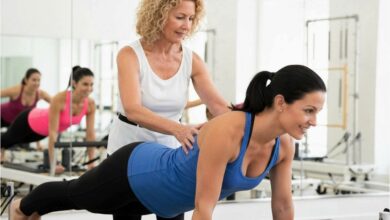
At a major international event for Pilates instructors
An experiment was conducted: participants were asked to consciously retract their pelvic floor muscles during an ultrasound examination. The results showed that the majority of trainers who claimed to retract the pelvic floor were actually retracting the pelvic floor Regular physical exercise, which activates the pelvic floor muscles and core muscles in general, is an excellent prevention of incontinence problems, and also helps improve the feeling of intimate life and activate the lower abdomen, which is difficult to feel with standard exercises exercises on
press It is important to remember: the effectiveness of such exercises depends on the correct breathing technique, which contributes to an even distribution of the load between everyone core muscles danger of frequent abdominal retraction. Constant retraction of the abdomen provokes excessive tension in the anterior abdominal wall, especially contraction of the rectus abdominis muscle. This limits the mobility of the ribs, which should move freely during breathing. When breathing is difficult, the body begins to use so-called assisted breathing, involving the inspiratory muscles – the sternocleidomastoid and scalene muscles. The result is tension and discomfort in the neck, as well as pain in the upper back We suggest mastering a set of six exercises with an emphasis on breathing, each of which should be repeated 8–10 times. This set can be performed as an independent workout 3-4 times a week or included in the program
training
as a warm-up or final stage of a lesson. For convenience, you will need a yoga mat 1. Breathing exercises while lying on your back lie on your back, bend your knees. Place your palms on your stomach to feel the front of your abdominal wall move as you breathe. Inhale deeply, expanding the lower ribs, allowing the stomach to rise slightly (there is no need to artificially inflate the stomach). Focus on the sensations, noticing the movement caused by your breath. As you exhale, your stomach and chest should fall smoothly. If you don’t feel movement, take a few expressive breaths, then relax and try breathing more smoothly and calmly again.
1. Breathing Exercises While Lying on Your Back
Get on all fours, resting on your hands and knees. Exhale deeply and round your back as if you want to pull your lower back towards the ceiling. Inhale and bend at the lumbar region, opening the chest. As you exhale, consciously feel how your stomach deflates and your chest rounds. When the lungs contract, the diaphragm rises, reducing intra-abdominal pressure. Try to exhale from the abdominal area without strong tension, so that the pelvic floor muscles naturally rise along with the diaphragm.
2. The “Cat” Exercise
Lie on your stomach, place your palms on the sides of your chest, and point your elbows up. As you inhale, press your palms into the floor and, expanding your ribs, lift your chest forward and up. As you exhale, gently lower yourself back to the starting position.
3. The “Cobra” Exercise
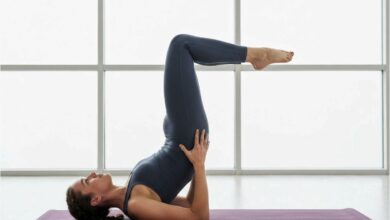
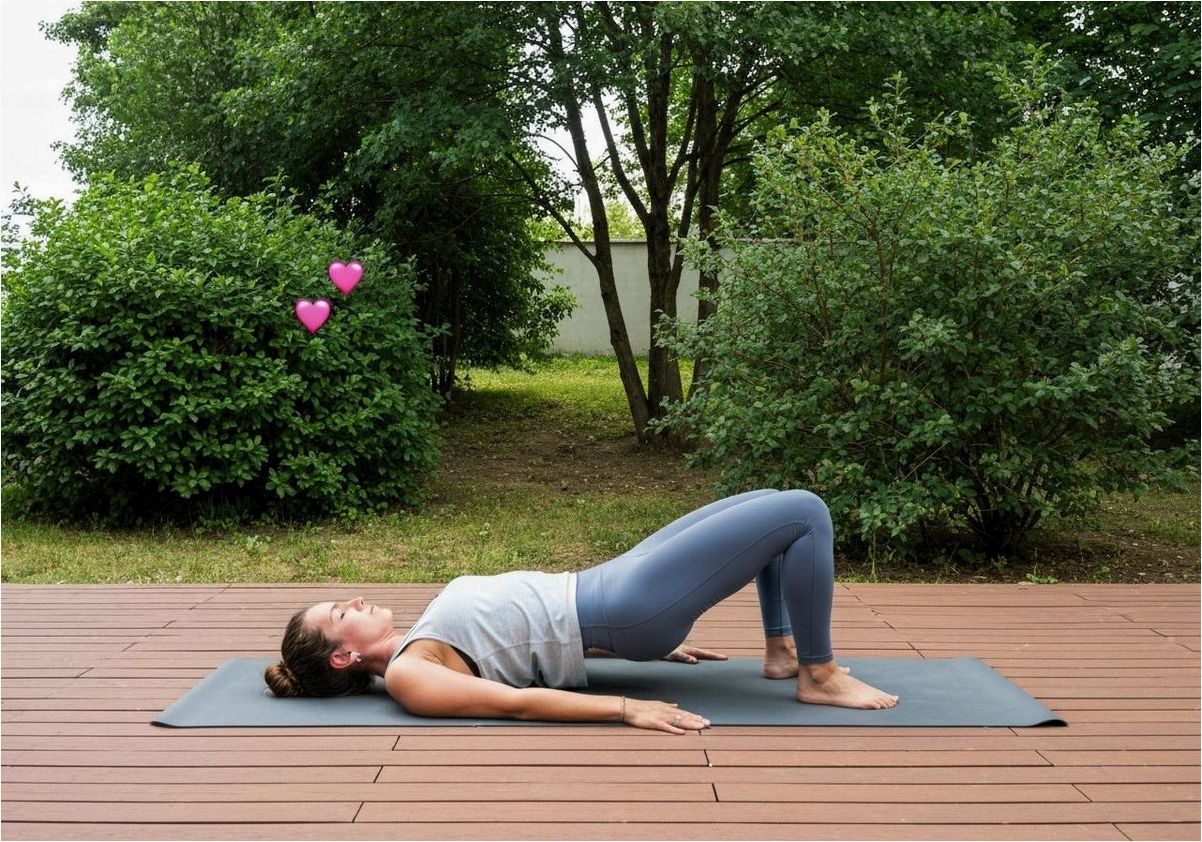
Lie on your back, bend your knees, place your arms along your body. Exhale and lift your pelvis up. As you inhale, stretch your crown and knees in opposite directions. Exhale and lower your pelvis back to the floor.
4. Shoulder Bridge
Take a position on your palms and knees. As you exhale, slowly roll your pelvis back toward your heels, keeping your back straight. As you inhale, smoothly return to the starting position. As you move, try to point your tailbone up toward the ceiling.
5. The “Square” Exercise with a Backward Movement
Take a pose on all fours. As you exhale, slightly lift your knees off the floor, keeping your back straight and avoiding arching in your lower back. As you inhale, lower your knees back to the floor. To make it more challenging, keep your knees raised for several breaths.
6. The “Square” Exercise Without knee support
Perform pelvic floor exercises at least 3 times a week, spacing out sessions of 10–15 minutes. Start with 2-3 sets of 8-12 contractions, gradually increasing the number of repetitions and the duration of the contraction delay to 10 seconds.
Recommendations for exercise frequency and technique
To get in touch with your pelvic floor muscles, imagine that you want to stop urinating or hold in gas. The tension should feel like internal support, without protruding your stomach or putting undue strain on your back.
After each set, be sure to rest for 30–60 seconds, keeping your muscles relaxed to avoid fatigue. Control
posture
– Perform the exercises while sitting, standing or lying down, keeping your spine straight If you feel pain or discomfort, reduce the intensity and consult a specialist. It is important to maintain regularity and gradually increase the load so that the muscles are strengthened without injury or overexertion strengthening the pelvic floor muscles: 6 effective exercises for the intimate area