Trekking and hiking: differences, preparation and choice of equipment
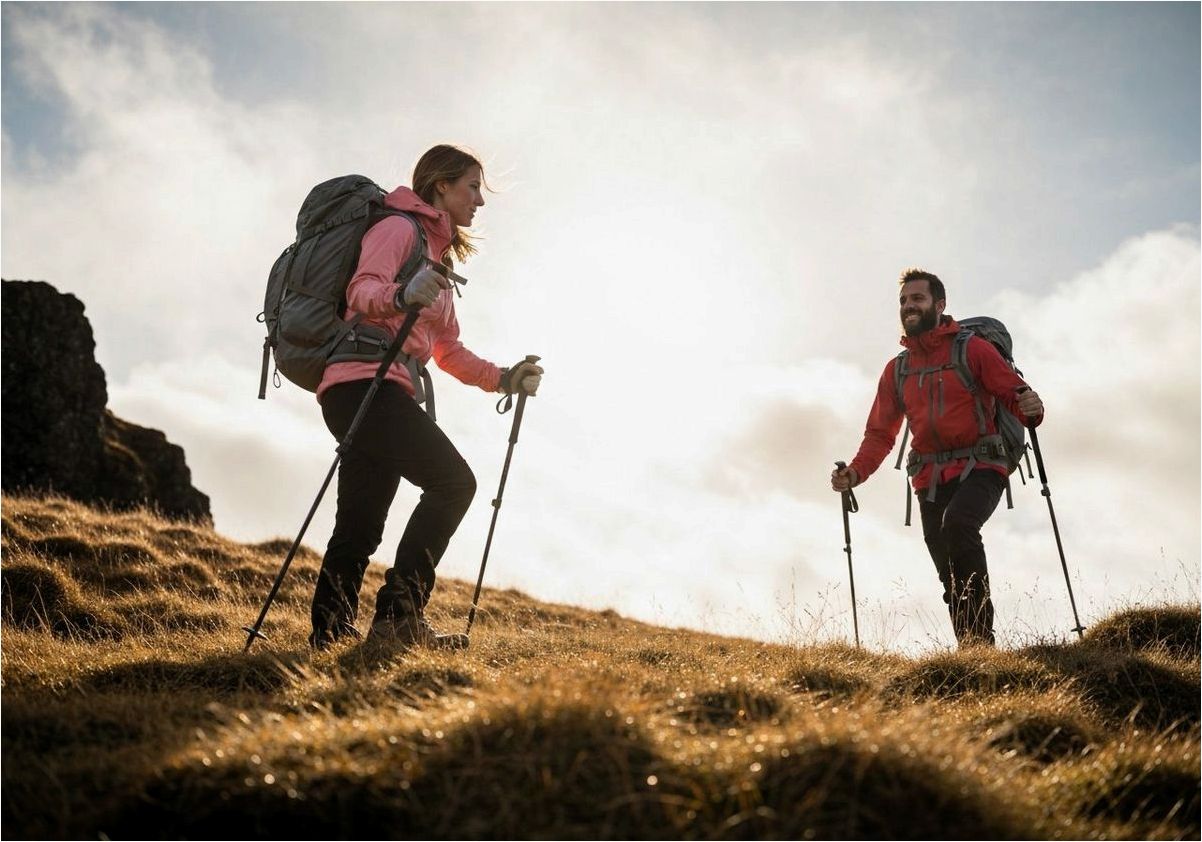
Do you want to change your monotonous vacation to an active one and enjoy walks in the forest or along the river? Or maybe test your strength in real wild conditions? We turned to experts to find out how to organize a trip correctly.
Contents of the article:
trekking and hiking are often thought of as synonymous, but there are important differences between them. Hiking is a one-day walk along well-marked trails that does not require special training or equipment. It is ideal for beginners and those who want to spend time in nature without unnecessary stress.
Trekking involves longer and more difficult routes, often with overnight stays in tents or huts. This requires careful preparation, physical stamina and thoughtful selection of equipment.
Before going on a hike, it is important to analyze the route, learn about weather conditions and prepare physically. Don’t forget to bring a map or navigator, water, food, first aid kit and suitable clothing. For trekking, you need comfortable trekking boots, a backpack with back support, as well as a sleeping bag and an overnight tent.
It is also recommended to take a short training hike to assess your strength and get used to the equipment. And don’t forget about safety – always inform your loved ones about the route and expected return time.
Types of hikes
Hiking is a walking journey designed for beginners. It represents a leisurely escape into nature for the purpose of relaxation, disconnection from everyday worries and enjoyment of the environment. This type of activity is suitable for people with different levels of training and usually involves relatively short routes on flat areas – from 4 to 40 kilometers. Hiking trails are equipped with amenities: signs, rest areas, areas with scenic views and other amenities.
Trekking is a hike for experienced and motivated tourists who want to achieve a specific goal, such as climbing a peak, walking 350 km, or crossing a mountain pass in a few days. This is a test of body and spirit, requiring endurance and the ability to navigate without navigation devices in difficult to reach areas. Trekking routes often include multi-day treks with overnight stays, long distances (starting from 50 km) and difficult terrain.
How to prepare for your trip
“In order to understand whether you are ready for hiking, it is enough to walk through a city or park at a calm pace without sudden changes in elevation for 3-4 hours, without making long stops, covering 5-10 kilometers,” advises Mikhail SAIFULIN, coach and organizer of hikes. — If you did it easily, then you can safely go hiking. If you are planning trekking, such walks should be arranged regularly, gradually increasing the length of the route by 1 kilometer. Once you reach 20-30 km, it’s worth trying hikes on more difficult terrain.”
In addition to physical fitness, proper equipment is also important. Be sure to choose comfortable shoes with good cushioning and support, as well as functional clothing made from moisture-wicking materials. Remember to bring plenty of water and light snacks to keep your energy levels up throughout the journey. Plan your stops for rest and recuperation, especially if the route includes significant ascents or descents.
It is also recommended to familiarize yourself with the weather conditions during the trek and prepare clothing and equipment accordingly. It’s a good idea to take a first aid kit with essential medicines and first aid supplies on the route – this will help cope with minor injuries and ailments.
ATTENTION! Before a long walk that will last more than 15 hours, be sure to inform your relatives or friends about it. When trekking, it is extremely important to notify local rescue services by providing information about yourself, the route and travel time in advance.
Required equipment
Shoes. High-quality shoes with high tops for stable ankle support are a must for walking at any level. Shoes for long routes should be light, well ventilated, water-repellent, have reinforced soles with good tread for better traction, and be securely fixed on the foot with lacing or fasteners.
“Models with flat soles, sneakers and flat sneakers are not suitable for long walks, especially for overweight people,” warns orthopedist Roman BODIO. “Such a sole overloads the arch of the foot, causing it to fatigue and become deformed faster, causing pain in the forefoot and heel.” When choosing sports boots, it is important to check that your toes are not squeezed: take out the insole and place your foot on it – there should be a small gap around the foot, especially along the length. “For foot comfort, we use Relax Fit technology, which provides additional space between the top of the shoe and the insole in the front,” says Ivan SHAKHIN, deputy general director of the Jana shoes brand. “For long treks, you need shoes with strong cushioning, for example, with Soft Flex technology, which reduces the load on the foot and knees, allowing you to walk for a long time without fatigue or injury.”
Cloth. “When choosing sportswear, you want not only comfort, but also a stylish appearance,” says Elena CHERVOVA, stylist and TV presenter. — For active walks, it is better to give preference to a loose fit and use of layers: for example, wear a T-shirt with a deep neckline over a crop top. Such interesting combinations can easily be found in the Nike and Oysho Sport collections. High-waisted leggings made of thick materials, as in the Belle YOU and Uniqlo lines, continue to be popular – they do not slip off during active movements and beautifully highlight figure & quot;. Recommended to use sportswear made from functional materials that wick away moisture and are wear-resistant. Reflective elements on jackets and shoes will help you remain visible in the dark, which is important for safety.
If you prefer dark colors in your sports wardrobe, in dry weather feel free to choose white shoes – they always look fresh and visually slim. For lovers of more extravagant looks, bright details are recommended: elements of fuchsia, rich green or bright blue are in perfect harmony with the basic shades of black, white and gray. This could be, for example, a top and sneakers or even just laces.
Backpack. Light enough for hiking models with a volume of 5-10 liters, which can accommodate a bottle of water, a small snack, a change of clothes in case of bad weather and a first aid kit. For trekking, you need a more spacious backpack – from 50 to 60 liters. It contains a tent, a sleeping bag, a change of clothes (a windbreaker, a raincoat, clothes with long and short sleeves, underwear, socks, a cap, sunglasses), dishes, a multitool, a flashlight, ignition supplies, a compass, a map and a first aid kit.
Sticks. Trekking poles are not always necessary. “In some cases they can get in the way, for example when overcoming difficult obstacles. Then it’s better to have folding transforming poles that can be easily put into a backpack,” advises Mikhail Saifulin. “If the route is predominantly on flat terrain, poles will help ease the step, and on sandy areas or steep slopes they will provide additional support.”