Common Misconceptions and Truths About Vitamin C
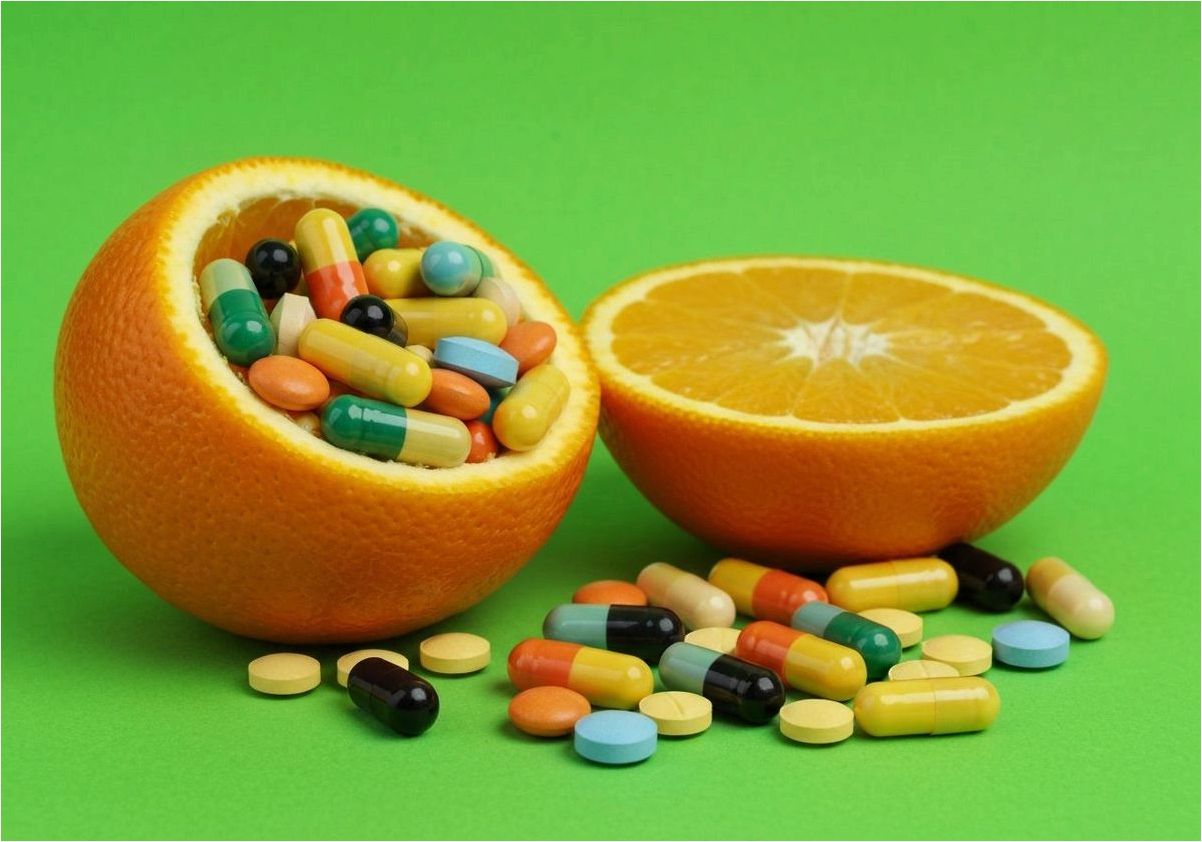
It seems that everything about this essential vitamin has been studied. However, despite this, many continue to believe myths and misconceptions. Let’s find out together where the benefits of vitamin C are underestimated and where they are exaggerated.
Article Contents:
Vitamin C as an Alternative to Exercise?
A study conducted by researchers at the University of Colorado at Boulder found that taking 500 mg of vitamin C daily has a protective effect on blood vessels similar to that of moderate exercise. This fact has led to the vitamin being nicknamed “the exercise pill”!
However, don’t give up exercise for oranges: this study has raised skepticism among scientists due to its small sample size—only 35 participants, all of whom were overweight or obese and led a sedentary lifestyle. It’s incorrect to claim that vitamin C can replace exercise.
At the same time, another study conducted at the University of East Anglia found that vitamin C helps people over 50 maintain muscle mass. The results led to the conclusion that older people who regularly consume sufficient amounts of foods rich in this vitamin have greater skeletal muscle mass. It’s known that after age 50, muscle mass can decline by up to 1% annually, leading to weakness, sarcopenia, the development of type 2 diabetes, and a deterioration in overall quality of life. Scientists studied the muscle mass of over 13, 000 older adults and compared it with dietary data and blood vitamin C levels. They found that those with higher vitamin C intakes had greater muscle mass than those with lower levels.
Additionally, it is worth noting that vitamin C is a powerful antioxidant that helps reduce inflammation in the body, which is especially important when recovering from physical activity. It is involved in the synthesis of collagen, a key protein that ensures the strength and elasticity of blood vessels, skin and ligaments, which promotes better tissue regeneration after training.
However, excessive intake of vitamin C in high doses can lead to unpleasant side effects such as gastrointestinal disorders and increased stress on the kidneys. Therefore, before starting to take a vitamin as a supplement, it is recommended to consult a doctor or nutritionist to choose the optimal dosage, taking into account the individual characteristics of the body.
Ultimately, vitamin C can provide additional cardiovascular and muscle support, especially for older adults and those who are sedentary, but it is not a substitute for a holistic approach to health that includes regular exercise, a balanced diet and a healthy lifestyle.
Does Vitamin C Affect Cold Relief?
Some studies confirm that constant intake of vitamin C can smooth out the symptoms of the disease and speed up recovery, but the vitamin cannot reduce the risk of contracting viruses. There are exceptions: according to a number of studies, in male athletes taking vitamin C actually reduced the likelihood of getting sick, while in women no such effect was observed.
The fact remains indisputable – vitamin C plays an important role in supporting the immune system and tissue healing processes. However, a reliable way to maintain immunity is to regularly eat healthy foods, especially those high in vitamin C. Unfortunately, new data shows that over 50% of Europeans do not reach the recommended daily intake of fruits and vegetables (2 and 5 servings respectively).
Vitamin C Deficiency Is Rare
Since the human body is not able to produce vitamin C on its own, it must be obtained from food. Severe deficiency, which is manifested by bleeding gums, nosebleeds, swelling of the joints and bruising on the body, is quite rare.
The recommended daily dose for adults is 75 mg for women and 90 mg for men, but many experts tend to increase this norm to 200 mg. For example, one medium orange contains approximately 70 mg of vitamin C, and the prevention of scurvy is possible by taking only 10 mg of the vitamin per day.
Vitamin C is a powerful antioxidant that protects the body’s cells from damage caused by free radicals. It also plays an important role in the synthesis of collagen, a protein essential for healthy skin, blood vessels, bones and connective tissue. A lack of vitamin C can slow wound healing and reduce the body’s resistance to infections.
Foods rich in vitamin C, in addition to oranges, include kiwi, red and green bell peppers, strawberries, broccoli and spinach. Vitamin C is well absorbed from fresh and minimally processed foods, but heat treatment destroys some of the vitamin.
Vitamin C 1000 mg, UltraVit* is an effective high dose ascorbic acid supplement for immune support. Taking vitamin C strengthens the body’s defenses, helps resist viruses and bacteria, accelerates tissue regeneration and slows down the aging process. One capsule contains 1000 mg of vitamin C.
Citrus Fruits Are Not Always the Highest Source of Vitamin C
Undoubtedly, citrus fruits are an excellent source of vitamin C, but the leader in ascorbic acid content is red bell pepper. One cup of chopped peppers (about the size of a tennis ball) contains 200 to 300 mg of vitamin C—100 mg more than the same amount of orange. Peppers are not the only vegetable that surpasses fruits in the content of this vitamin; Broccoli and Brussels sprouts are also valuable sources. Citrus fruits can be periodically replaced with kiwi, strawberries, papaya, pineapple and melon.
In addition, vitamin C has powerful antioxidant properties that help strengthen the immune system, improve skin health, and promote better absorption of iron from plant foods. It is important to remember that vitamin C is water-soluble and is destroyed by heat treatment, so to preserve the maximum amount of it, it is advisable to consume vegetables and fruits raw or steam them. Regular inclusion of various sources of vitamin C in the diet helps maintain health and improve the overall tone of the body.
Adequate Vitamin C Intake Promotes Weight Management
Low blood levels of vitamin C have been associated with a higher body mass index (BMI), a higher percentage of body fat, and an increased waist circumference. Scientists from Arizona State University have found that vitamin C affects the body’s ability to use fat as a source of energy both during physical activity and at rest.
Vitamin C Overdose — Myth or Reality?
Since the body does not store vitamin C, excess is excreted in the urine. However, this does not mean that excessive consumption of the vitamin is safe. There is a set upper daily intake limit for ascorbic acid that takes into account both food and supplements.
The maximum recommended dose is 2000 mg per day. Excess vitamin C can cause undesirable reactions: bloating, indigestion, diarrhea, nausea, vomiting, heartburn, headaches, sleep disturbances, and also increases the likelihood of kidney stones. Remember that more is not always better – it’s important to get enough, but not too much.
Vitamin C Gummies, Ultravit* – convenient chewable lozenges with orange flavor. Vitamin C helps cope with fatigue and irritability, supports the immune system and promotes the synthesis of collagen, vital for healthy bones, cartilage, skin and hair. The product does not contain lactose, gluten, soy or artificial colors.
*Dietary supplement. NOT A MEDICINE