Key Facts About Iron
Iron is an essential trace element that is a component of hemoglobin in red blood cells, which are responsible for transporting oxygen throughout the body. When iron is deficient, the body cannot produce enough red blood cells, which leads to reduced oxygen delivery. This causes general weakness and fatigue, affecting both brain function and the body’s immune defense.
Article contents:
according to the World Health Organization, about 25% of the world’s population suffers from anemia. In Russia, iron deficiency is observed in approximately 40% of pregnant women, 25% of women of reproductive age, and about 20% of adolescents aged 14–18. In fact, iron-deficiency anemia is the most common nutrient-related disorder in the world!
Studies confirm that more than half of women with heavy menstrual flow are iron-deficient. Pregnancy also contributes to the development of anemia, as the expectant mother’s body requires additional amounts of this mineral for the proper development of the fetus. Intense exercise can deplete iron stores—in women who run long distances, iron levels can drop by half. Additionally, a vitamin C deficiency hinders the absorption of iron from food, which also contributes to iron deficiency in the body.
What are the consequences of iron deficiency?
If iron levels in the body drop, this can manifest as dizziness, digestive disorders, and impaired body temperature regulation. Iron deficiency in pregnant women increases the risk of premature birth and low birth weight in newborns.
Symptoms of iron-deficiency anemia include general weakness, fatigue, shortness of breath, rapid heartbeat, pale skin, as well as headaches, ringing in the ears, altered sense of taste, hair loss, an unusual urge to eat non-edible items (such as ice or paper), and difficulty swallowing. Additionally, iron deficiency can cause mouth sores and nail deformities. Failure to treat anemia weakens the immune system, leading to a high risk of disease and potential damage to the cardiovascular and respiratory systems.
A 2017 study conducted at the University of Nebraska–Lincoln found that female students with low blood iron levels performed worse on exams compared to their peers with normal iron levels. This suggests that iron has a significant impact on cognitive function. Another large-scale study by the Pennsylvania State University College of Medicine, involving over 300,000 adults aged 21 to 90, established a direct link between hearing loss and iron-deficiency anemia.
In addition, iron deficiency can negatively affect a child’s development, reducing attention span, memory, and overall cognitive function, making timely detection and correction vital. Chronic iron deficiency can lead to stunted growth, increased fatigue, and poor sleep quality. In severe cases, heart failure may develop as a result of compensatory tachycardia and an increase in circulating blood volume.
It is important to note that iron deficiency is often accompanied by reduced energy levels and low mood, which can lead to depression and a lower quality of life. Incorporating iron-rich foods into your diet in a timely manner and, if necessary, taking medications prescribed by a doctor can help prevent serious complications and improve overall health.
How much iron should you consume?
Women aged 19 to 50 are recommended to consume about 14.8 mg of iron daily. The need for this element increases during pregnancy, breastfeeding, in the presence of gastrointestinal diseases (celiac disease, Crohn’s disease, ulcerative colitis), or during high physical activity. After menopause, the daily requirement decreases to 8.7 mg.
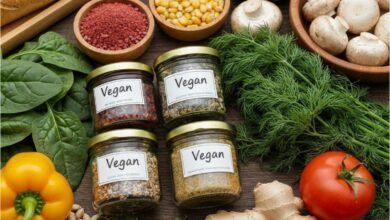
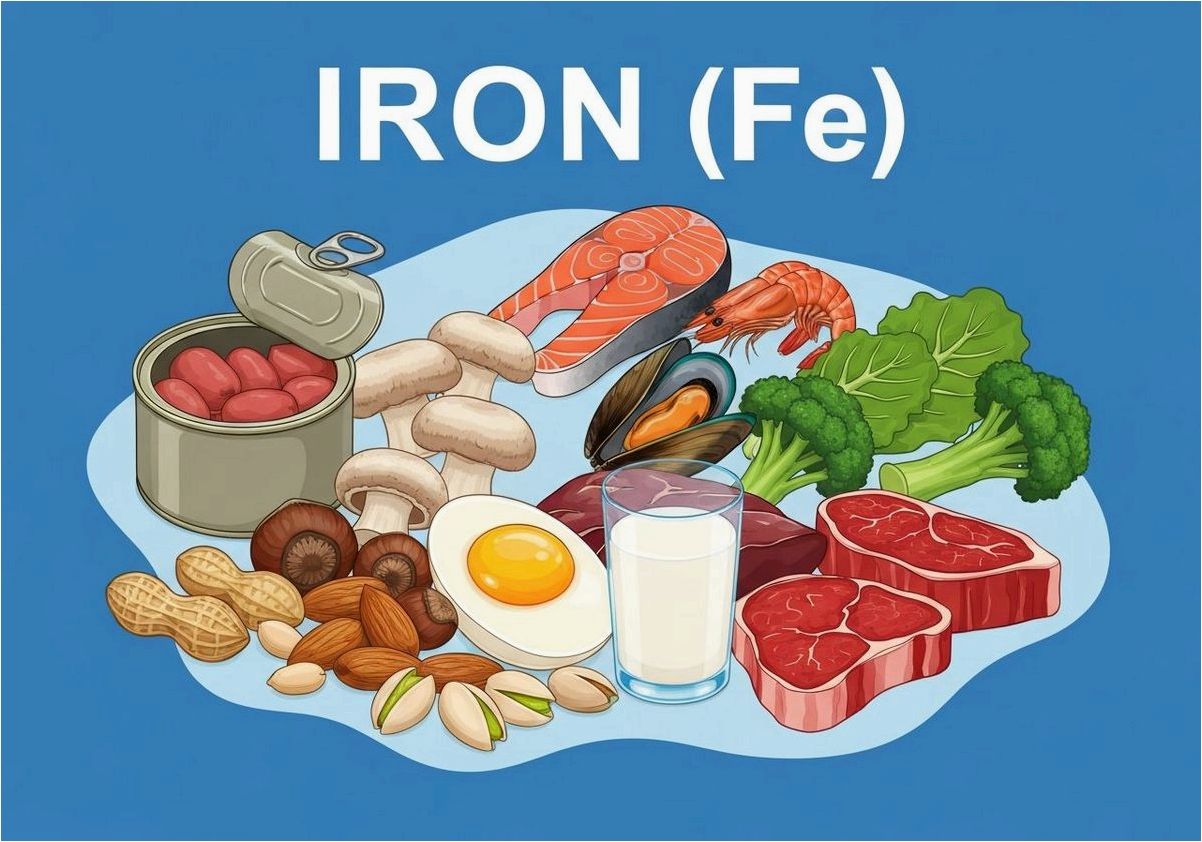
Iron is found in food in two forms: heme and non-heme. Heme iron, which is more easily absorbed, is found in animal-based foods. Approximately 40% of the iron present in meat, poultry, and fish is heme iron. The remaining 60% is non-heme iron, which is predominant in plant-based foods (legumes, nuts, seeds, dark green vegetables, dried fruits, whole grains, spirulina, and fortified cereals). To improve the absorption of non-heme iron, it is recommended to combine these foods with sources of vitamin C—such as kiwis, bell peppers, broccoli, and oranges. If your diet lacks red meat, turkey, or egg yolks, focus on plant-based foods high in iron, such as dark leafy greens, dried fruits, quinoa, legumes, and lentils. Add lemon juice to your meals—this helps the body absorb the mineral more effectively.
Keep in mind that beverages and foods containing caffeine and tannins—such as tea, coffee, and chocolate—can bind to iron and hinder its absorption. Therefore, it’s best to avoid consuming them with meals and to wait about an hour after eating before drinking your favorite beverages.
Iron and physical activity
Adequate iron levels in the body help improve athletic performance and endurance, as confirmed by a study published in the *Journal of Nutrition*. The experiment found that taking iron supplements allowed women to train more intensely while lowering their heart rate.
When iron is deficient, the body has to work harder to produce energy, especially during physical activity, which causes fatigue to set in much more quickly. A study by Swiss scientists showed that taking 80 mg of iron daily for 12 weeks can halve fatigue in women with an iron deficiency. However, it is important not to self-medicate—iron supplements should only be taken as prescribed by a doctor, since excessive amounts of the mineral can damage organs and increase the risk of developing diabetes, heart disease, and cancer.