Pole climbing: analysis of the real face of pole sport
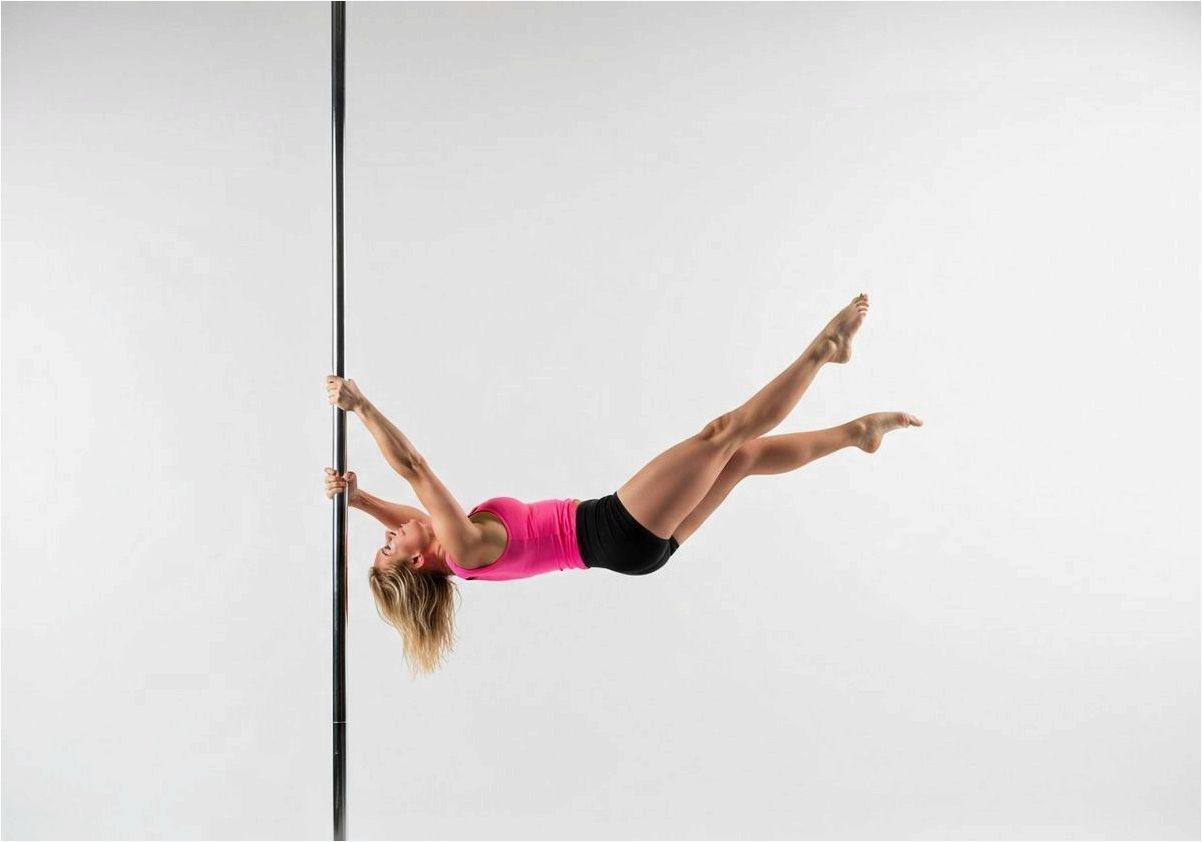
Did you know that the roots of pole sport go back to 1200 AD? It was then that the Celts held spring festivals with dancing around wooden pillars. Over time, these supports turned into circus equipment, with the help of which acrobats amaze spectators with incredible tricks and elements. Four-time world champion in sports and artistic pole pole Polina Volchek shared the history of this sport and told how beneficial it is for health and physical fitness.
Contents of the article:
Pole sport: a history shrouded in provocations
Pole sport, popularly known as “Pole dance,” is an amazing symbiosis of dance and acrobatic elements, combining artistic choreography and gymnastics. In 19th century France, women expertly used the pole to perform spectacular stunts, adding a touch of sensuality and grace to them. Today, pole training is deservedly recognized as a sports and fitness activity in many countries around the world, including Russia, where it was recently officially recognized as a sport.
Beauty and grace of movement
Pole sports promote the development of flexibility, strength and self-confidence, help to reveal femininity and artistry, strengthen the muscles of the whole body, and also effectively get rid of excess weight. Competitive performances on the pole can be compared in scale and entertainment with international tournaments in fitness bikini, artistic gymnastics and amazing circus acts. This spectacle cannot leave you indifferent, and at the same time pole sport is open to both women and men.
Regular training not only contributes to physical development, but also improves coordination, flexibility and endurance. In addition, pole sport helps overcome psychological barriers, develop self-esteem and unleash creativity. Many beginners note that after just a few months of training they feel more confident and attractive.
For training, no special sports equipment is required – a pole is enough, which can be installed even at home. This makes pole sport accessible to a wide audience. There are also many directions and styles: from classic pole fitness to more artistic and acrobatic elements, which will allow everyone to choose an activity to their liking and level of training.
It is important to note that pole sport requires the correct approach to safety precautions and a gradual increase in load under the guidance of an experienced trainer. This will help you avoid injury and get the most out of your workouts.
A great alternative to your usual workouts
Pole is not only beautiful and spectacular, but also has great benefits for the body, because first of all it is a sport. Working with a pole engages the muscles of the chest and arms, helps tighten the skin, strengthen the back, core muscles and press, while improving posture all muscle groups work harmoniously, so there is no effect of excessive growth of individual zones. Regular exercise speeds up metabolism, helps burn calories more efficiently and has a beneficial effect on digestion. Pole sports help you forget about cellulite, and increased endurance has a beneficial effect on the functioning of the heart and strengthens the immune system.
In addition, the pole helps develop flexibility, coordination and balance , which makes the body more flexible and resilient. Training improves your psycho-emotional state, helping to reduce stress and increase self-confidence. In addition to physical activity, classes require concentration and breathing control, which helps develop internal discipline and attention to your body. The pole is also suitable for people of different ages and skill levels, allowing you to gradually build strength and skill.
Debunking myths about pole sport
- “It seems to me that I can’t cope without special training!” – coaches often hear. In fact, pole sport requires certain physical training and mastery of gymnastic elements. As with any other sport, it is important to learn patiently and develop your skills gradually. An experienced mentor will never force you to perform too difficult tricks from the first lesson. The main thing is to choose a competent coach and trust his advice.
- “I’ve heard it’s dangerous and prone to injury!” Granted, your first few training sessions may involve some bruises and bumps, but a competent instructor will teach you how to properly use the pole and prepare your body for the stress. This will minimize any pain.
- “I’m too old for pole dancing” – forget about age restrictions! These are just internal barriers. Pole dancing is accessible to people of all ages and can help you not only get in great shape but also remove psychological blocks and boost self-esteem. Young athletes begin their careers in the “Juniors” category at age 8, while the “Masters” category includes athletes over 60. Even athletes under 70 compete at the international level.
- “When will pole dancing be included in the Olympic Games?” Fortunately, this idea is already being discussed. The International Olympic Committee and the International Pole Sports Federation are negotiating the inclusion of this sport in the Olympic program. The Russian team has a good chance of success: in 2021, our athletes took second place in the team competition at the World Championships.
Modern trends and prospects for the development of pole sports
Develop flexibility and strength with an emphasis on functional training, which is currently gaining popularity among pole dancers. It reduces the risk of injury and increases endurance, helping you perform complex tricks with greater confidence.
Integrate elements of acrobatics and gymnastics into your training programs. This approach opens up new movement variations and improves the technical level of your performances. The number of competitors demonstrating complex acrobatic combinations is already growing at championships.
Use modern pole materials and designs: lightweight alloys and reinforced coatings reduce slippage and increase durability. This factor impacts the safety of the training process and is recognized as a standard in the professional community.
Follow the development of judging criteria and competition rules. Recent changes have increased the weight given to originality and artistry, encouraging creativity and expanding the range of pole dance styles.
Expand your audience through online platforms and broadcasts. The emergence of specialized communities and workshops allows for the exchange of experiences internationally and attracts new fans of the sport.