5 rules for hair care in summer
Every girl dreams of having beautiful and healthy hair however, even regular care does not always achieve the desired result. We turned to Valentina Glushkova, the founder of the 19lab brand, specializing in hair care cosmetics, to find out how to keep your hair healthy in the summer and choose the right hair care products.
Contents of the article:
summer is a time of sun, sea breeze and increased activity, which requires a special approach to hair care. Here are five basic rules that will help keep your hair healthy and beautiful during the hot season:
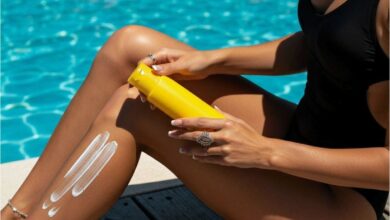
- Use sun protection. Ultraviolet rays negatively affect the hair structure, making it dry and brittle. Choose products with UVA/UVB filters – these can be special sprays, serums or light hair oils that will create an invisible protective film.
- Regular moisturizing. In summer, hair is especially susceptible to dehydration due to heat and wind. Use moisturizing shampoos and conditioners, as well as weekly nourishing masks with natural oils and plant extracts.
- Protect your hair from exposure to chlorine and salt. After visiting the pool or sea, be sure to rinse your hair with clean water. For additional protection, use special leave-in products with filters and moisturizing ingredients.
- Be careful with heat tools. Try to minimize the use of hair dryers, curling irons and straightening irons – high temperatures aggravate sun damage. If you can’t do without styling, use heat protectants.
- Proper nutrition and drinking regime. Healthy hair starts from the inside. Include foods rich in B vitamins , omega-3 fatty acids and biotin. Remember to drink enough water to avoid dehydration of your body and hair.
Following these simple rules will allow you to enjoy the summer without compromising the beauty and health of your hair. Don’t forget to also regularly consult with professionals and select care based on the individual needs of your hair.
1. Consider the climate in different seasons
During the hot season, it is necessary to especially carefully protect your hair from intense exposure to sunlight. Ultraviolet light causes hair to dry out, causing it to lose its natural shine and begin to split. To keep your hair in good condition when going outside on sunny days, it is recommended to wear hats and apply products with sun filters and moisturizing ingredients.
In rainy and humid weather, protection is provided by gels, foams or mousses, which cover the hair with a protective film and prevent the negative effects of bad weather.
In winter, hair suffers due to cold winds, low air temperatures and dry rooms, which often leads to increased static strands. During this period, it is advisable to use more nourishing and moisturizing products: replace the usual balm with an intense moisturizing one, and also carry out deep care treatments every 1. 5-2 weeks – for example, massage with ampoule serums or oils. It is recommended to leave such masks on the hair for 2-3 hours for maximum penetration of the active substances.
In spring, hair suffers from a vitamin deficiency accumulated in winter, and also suffers from prolonged wearing of hats and dry air due to heating. At this time, it is important to provide comprehensive care, for example, undergo a recovery course using a series of masks from the 19Lab Cosmetics line – “Deep Recovery” for dry hair or “Lightness and volume” for those prone to fat.
2. Carefully study the composition of cosmetics: avoid sulfates, maintain the dose of parabens and control the silicone content
When choosing a shampoo, pay attention to the absence of sulfates in the composition – they cause great harm to the hair and scalp. These substances can cause allergies, disrupt the natural protection of the skin, lead to itching and flaking, and also damage the hair structure, causing rapid contamination.
Parabens are acceptable in small quantities as they act as preservatives. In high-quality certified cosmetics, their concentration is strictly regulated and safe for health.
As for silicones, they form an invisible film on the surface of the hair, which protects it, but if accumulated excessively, it leads to loss of elasticity, dehydration, brittleness and fading, as well as clogged pores.
3. The main emphasis is on hydration
Selecting products with a rich moisturizing composition is the key to restoring dry and weakened hair. The product should contain natural oils and plant extracts, as well as restorative components: panthenol, keratin, silk and wheat proteins, unrefined vegetable oils (avocado, almond, etc.), lanolin and glycerin.
Home care for dry hair requires products with one or more of the following ingredients:
- Ceramides;
- Vitamins;
- Nourishing oils (coconut, jojoba, licorice and others);
- Essential oils (tea tree, cypress, etc.);
- Hyaluronic acid;
- Collagen;
- Plant extracts and seaweed extracts.
Active components also include substances that enhance the therapeutic effect, promoting saturation with vitamins, deep hydration and stimulation of hair regeneration:
- Plant actives: oils and extracts of aloe, calendula, St. John’s wort, kelp, cocoa and others.
- Enzymes or papain are protein molecules that accelerate chemical reactions on the surface of the skin. Protein hydrolysates have a film-forming effect and are used in air conditioners. Most often used in cosmetics: hydrolysates of collagen, wheat gluten, green peas, milk and soy.
- Vitamins. When applied externally, vitamins penetrate the skin and hair, performing important functions – protection, correction and renewal. Among them, vitamins A, C, E, B5, H and their derivatives are often used.
In addition, when choosing moisturizing products, it is important to pay attention to the presence of ingredients that help retain moisture inside the hair, preventing it from evaporating. These ingredients include humectants, such as propylene glycol and sorbitol.
It is also recommended to use leave-in serums and oils that create a protective film on the surface of the hair, providing long-term hydration and protection from aggressive external factors – ultraviolet radiation, wind, temperature changes.
It is important to remember that excessive hydration without proper nutrition can lead to excessive swelling of the hair cuticle and its fragility. Therefore, moisturizing must be combined with nutrition and restoration of hair structure.
Regular use of masks with a rich moisturizing composition (at least 1-2 times a week) promotes deep restoration, makes combing easier and gives hair a healthy shine.
4. Avoid over-grooming
Hair masks are concentrated treatments with high levels of active ingredients. They can quickly improve the condition of your hair, but overuse is not recommended. Excessive use of such products can disrupt the scalp’s natural processes and hair structure, causing strands to become dry, brittle, and lifeless.
Overuse of masks, serums, and fluids often leads to hair weighing down, making it look greasy and dull due to the excess silicones and oils in their formulations.
Professional salon shampoos contain many beneficial ingredients, so they shouldn’t be used daily, otherwise your hair will lose its shine and become heavy. If you live in a big city and wash your hair every day, choose gentle shampoos with mild “green” surfactants that don’t irritate the skin and contain ingredients that moisturize and maintain amino acid balance. 5. Combine home care with professional services
5. Combine home care with professional services
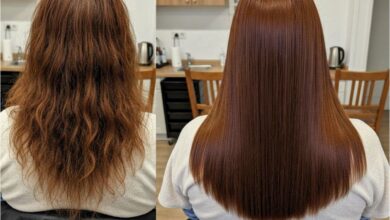
Professional treatments can help address split ends, restore structure, reduce hair loss, stimulate growth, and give hair volume and a healthy look.
5 Rules for Summer Hair Care