Gamification and individual approach: how fitness trends have changed in the new year
While everyone would like to forget the pandemic as a bad dream, its impact is still visible in many areas, including the fitness industry. We turned to Irina Troska, COO of X-Fit in Russia, to find out what we should focus on when doing fitness this year.
Contents of the article:
today, the main responsibility for supporting people in the process of recovery from coronavirus falls on the shoulders of fitness trainers. Specialists are actively improving their knowledge in the field of rehabilitation, there is a growing interest in functional therapy programs, and the level of awareness in matters of a healthy lifestyle is increasing.
In addition, one of the main trends remains the gamification of training – the introduction of game elements into sports helps to increase the motivation and involvement of clients. Apps and online platforms allow users to compete, earn rewards and achieve new goals, making fitness more fun and accessible.
An individual approach is no less important: trainers are increasingly developing personalized programs taking into account not only the physical condition, but also the psychological comfort, lifestyle characteristics and personal preferences of the client. This approach helps reduce the risk of injury, improve performance and maintain long-term motivation.
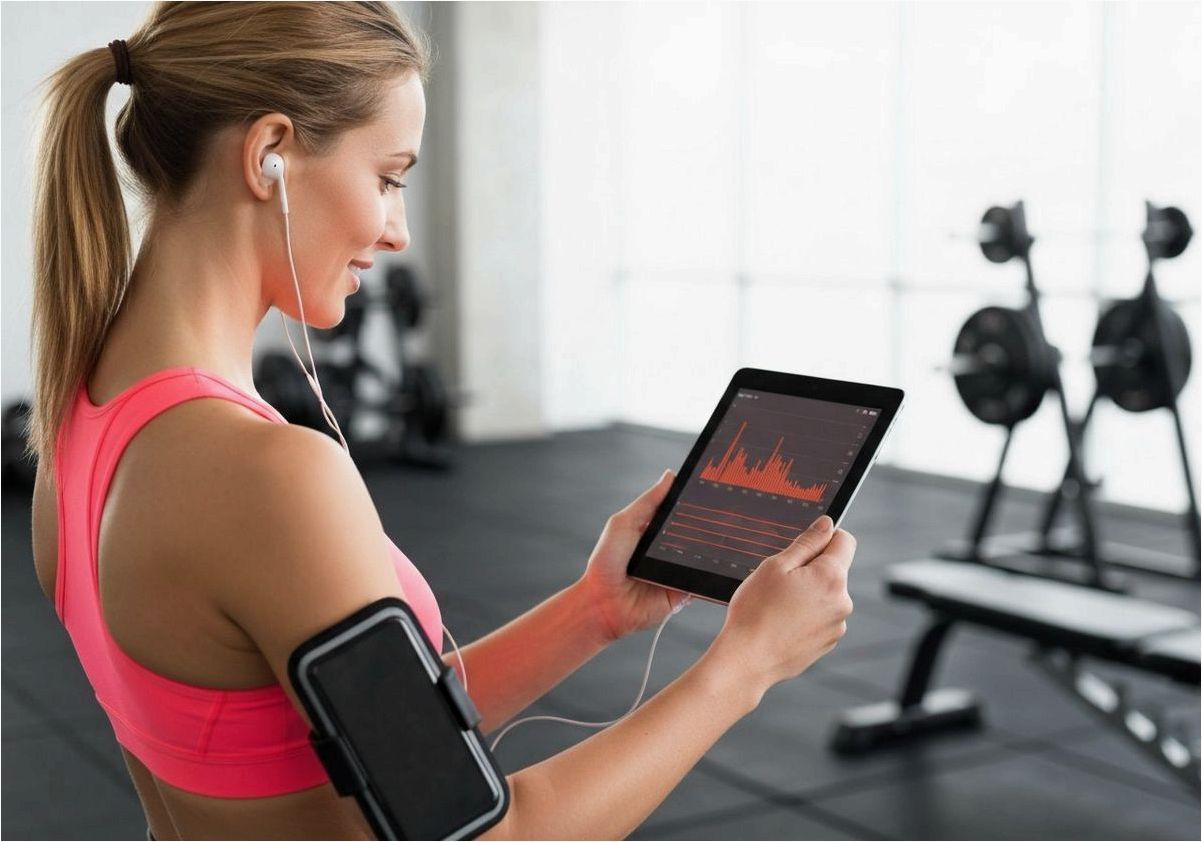
The integration of digital technologies also plays an important role – from wearable devices for monitoring health indicators to virtual training. This allows you to track your progress in real time and adjust your lesson plans with maximum accuracy.
Technologies and mobile applications
With growing attention to health, more and more users are beginning to actively use various gadgets: activity trackers, heart rate monitors, pedometers and other devices that help track important biometric parameters. Often these devices interact with mobile applications, the developers of which introduce gaming and competitive elements to increase motivation. In addition, fitness applications create communities – a kind of social network for sports fans, where you can share progress and receive support from like-minded people.
Functional training
Among the areas, functional training invariably remains in first place. The X-Fit coaching staff regularly creates unique, comprehensive programs, combining different styles and methods to increase efficiency and interest in classes. The approach is based on individualization – the rejection of strict standard schemes in favor of taking into account the characteristics of each client. Particular attention is paid to restoring the functioning of the cardiovascular and respiratory systems, as well as improving the appearance of the body. Bodyweight exercises are the mainstay, although free weight classes are gaining popularity again. The greatest demand is for individual training.
Individual training
The effectiveness of exercise is determined not by the number of repetitions or approaches, but by the correct execution of the exercises and safety. Each person’s body is unique, so the load should be selected taking into account individual characteristics. A personal trainer is an expert who, based on your physical condition and health, develops a personalized training program and nutrition, gives advice on daily routine and recovery methods. He teaches exercise techniques, explaining in detail how each movement affects your body.
Expert support is especially important at the beginning of your training journey, as the coach takes charge of planning the sessions, giving you the opportunity to focus on your own feelings. This division of attention helps the nervous system quickly adapt to new loads.
When choosing a mentor, it is important to focus on comfort in communication. Don’t be afraid to change coaches until you find someone you can trust with both physical and emotional health. Attention should also be paid to the level of training of a specialist: the presence of many certificates does not always indicate the depth of knowledge and experience. The optimal combination of higher sports education, teaching qualifications and official accreditation from licensed training centers covering the main fitness areas and work with specialized equipment is considered optimal. It should be remembered that a successful athlete does not necessarily provide good coaching services – sport and fitness have different goals: fitness is focused on maintaining health and general tone, while sport is often associated with risks and injuries.
In addition, individual training allows you to maximally adapt the program to changes in your health and physical fitness. Regular monitoring of indicators such as endurance levels, strength, flexibility and recovery helps the trainer make timely adjustments to loads, which reduces the risk of overtraining and injury. It is also important to take into account the psychological aspect of training: the support of a trainer helps to overcome motivational difficulties and form sustainable habits for a healthy lifestyle.
Equally important is the timing and location of your workouts, which should fit into your daily routine without adding stress. Today, many trainers offer online classes, which expands the options for those who are limited in time or prefer to train at home. At the same time, communication with the coach remains lively and effective thanks to modern digital platforms and applications for tracking progress.
The impact of mental health on physical activity
Stress and anxiety reduce motivation and energy, so it’s helpful to implement short breathing exercises before exercise. This improves concentration and helps avoid mental burnout.
Research shows that regular physical activity reduces levels of the stress hormone cortisol by 20-30%, improving overall well-being. It is recommended to choose exercises taking into account your current emotional state: on days of stress, moderate cardio or yoga are suitable, and if you are in a good mood, high-intensity strength training.
Keep a journal of your moods and activities. This helps to identify the relationship between psychological state and training results, as well as adjust loads to prevent overwork.
Programs with elements of psychological support in the form of motivational chats or consultations strengthen commitment to fitness. Incorporating such features into individual plans increases the likelihood of regular exercise by 40% compared to traditional methods.
Pay attention to the quality of your sleep – it directly affects recovery and energy levels. Perform exercises during periods of wakefulness with maximum brain activity, for example, in the morning or early afternoon, to increase efficiency.