The Benefits and Harms of Various Dietary Fats
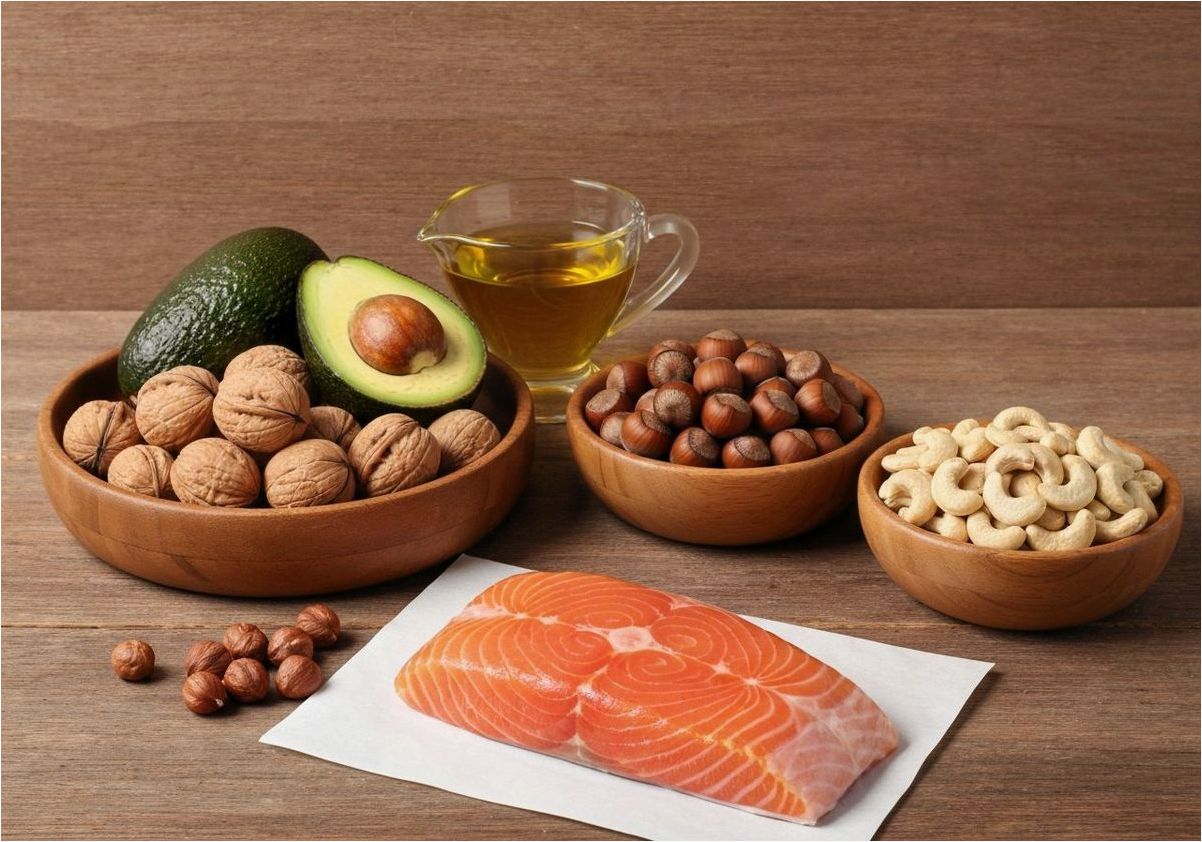
Vegetable oils are considered a healthy source of fat. They remain liquid at room temperature Unsaturated fats are divided into two main categories: monounsaturated and polyunsaturated.
Article contents:
monounsaturated fats, which include olive and corn oils, for example, help improve the fluidity of cell membranes. This facilitates the entry of hormones and other substances into cells, which positively affects the body’s fat-burning process.
Polyunsaturated fats are the most liquid of all types of fats (flaxseed oil does not solidify even when stored in the freezer). They significantly enhance the flexibility and permeability of cell membranes, supporting their normal functioning.
These fats are essential to your diet, as they contain important omega-3, omega-6, and omega-9 fatty acids. They help protect the body against atherosclerosis, boost the immune system, and have anti-inflammatory and anti-allergic effects. Sources of these acids include almonds, peanuts, certain vegetable oils, as well as fatty fish—mackerel, tuna, sardines—or fish oil supplements.
It is important to note that these fatty acids are immediately utilized by cells for internal needs as soon as they enter the body, so they do not turn into fat deposits.
“Harmful fats” — saturated fatty acids
These fats remain solid at room temperature. They are found primarily in animal-based foods, including dairy products such as lard, butter, and margarine.
If the body does not use these fats immediately as an energy source, they are stored as body fat. By accumulating on cell membranes, saturated fats reduce the cells’ sensitivity to hormones such as insulin and leptin, which contributes to the development of obesity and weight gain.
Fats of animal origin, such as beef fat, are considered particularly “bad,” and many nutritionists it is recommended to eliminate them from your diet and use them only for industrial purposes.
“Killer fats” — trans fats
This type of fatty acid is strictly prohibited for consumption. Trans fats are formed during the partial hydrogenation of liquid oils, which extends the shelf life of these fats to several years. In modern diets, they are considered the primary cause of the widespread prevalence of cardiovascular diseases and cancer. Food manufacturers widely use trans fats to improve the texture and shelf life of products: crackers and French fries develop a crispy crust, and cake frostings become lighter and fluffier.
Consumption of trans fats is associated with an increase in “bad” cholesterol (LDL) and a decrease in “good” cholesterol (HDL) in the blood. This contributes to the formation of atherosclerotic plaques, which narrow blood vessels and increase the risk of heart attacks and strokes. In addition, trans fats can cause inflammation and disrupt the immune system.
Many countries have already imposed legal restrictions on the trans fat content in food products or have banned their use entirely. To reduce health risks, it is recommended that you read labels carefully and avoid products containing partially hydrogenated oils and margarine, as well as fast food and industrially produced baked goods, which most often contain trans fats.
How to properly include fats in your diet
When switching to healthy fats, it’s important to remember the correct way to consume them. There are two main rules to follow when using oils:
Rule #1
Fats do not tolerate intense heat treatment well. When heated, biologically active components are destroyed, and toxic products of fatty acid oxidation are formed. If oil is heated above 200 degrees or reused multiple times, it becomes carcinogenic and releases substances harmful to the body, which place an additional burden on the liver.
Research in the field of oncology has shown that repeatedly reheating oil (for example, in a frying pan that hasn’t been washed after the previous use) contributes to the formation of carcinogenic compounds in fats.
Rule #2
The more natural the oil is, the healthier it is for the body. Fats that occur naturally and have not undergone industrial processing are considered optimal. For example, unrefined cold-pressed vegetable oils packaged in dark bottles to protect them from light.
Their characteristics include a relatively short shelf life and a higher price. At the same time, clear, odorless oils with a long shelf life should raise red flags and prompt you to avoid such products.
How to identify trans fats in foods
- Carefully read the labels on the packaging
Trans fats are present when the phrase “partially hydrogenated” appears in the list of ingredients. The closer this term is to the beginning of the ingredient list, the more dangerous the product is.
Harmful substances can be found almost anywhere. You shouldn’t constantly worry about this, but it’s important to be cautious. A small serving of popcorn is acceptable, but it’s better to eat it while taking a walk rather than during a long movie, when you feel the urge to constantly chew something and find it hard to stop.
It’s best to choose natural products, which contain almost no trans fats.
For many years, scientists have debated whether butter or margarine is more harmful. Butter is rich in saturated fats, while margarine, which undergoes hydrogenation, contains trans fats.
However, by carefully reading the label, you can see that light margarine, despite its lower fat content, is often still the less harmful option.
The role of fats in metabolism and overall health
Fats regulate energy metabolism and support organ function. They play a role in the formation of cell membranes, ensuring their strength and permeability. This affects the transport of substances and signal transmission between cells.
Poly- and monounsaturated fats, such as omega-3 and omega-6, stimulate the production of hormones that regulate inflammatory processes and cholesterol levels. To normalize your metabolism, include fish oil, nuts, and vegetable oils in your diet.
Triglycerides serve as an energy store that the body uses during physical activity and when fasting. Fats from food are converted into ketone bodies when carbohydrates are scarce, providing energy to the brain and muscles.
Regular consumption of trans fats slows down metabolism and impairs insulin sensitivity, increasing the risk of obesity and diabetes. Therefore, it is important to limit foods containing hydrogenated oils.
Fats affect the absorption of fat-soluble vitamins A, D, E, and K. A deficiency in these vitamins weakens the immune system and impairs metabolism. The optimal intake is 20–35% of daily caloric intake, primarily from plant sources and fish.