7 alternative ways to protect yourself from the sun besides using SPF cream
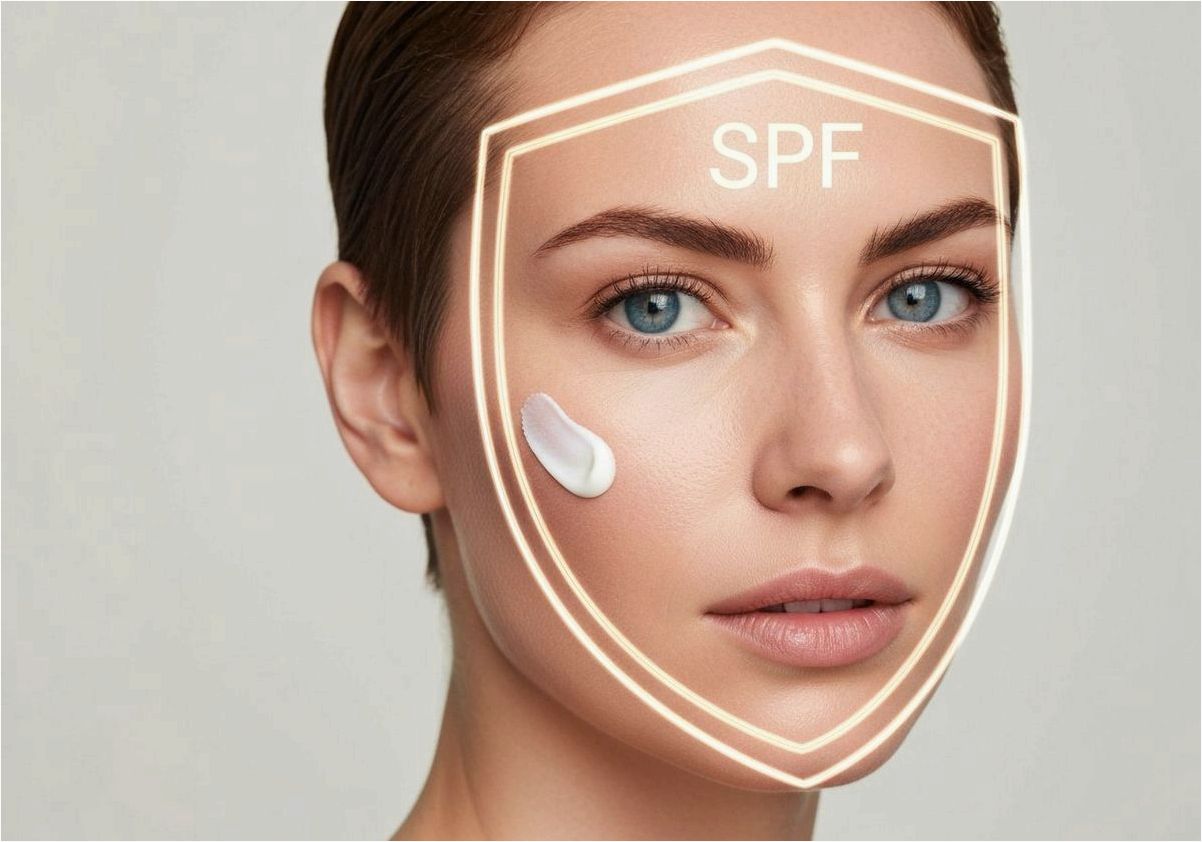
It is customary to start protecting your skin from the sun by applying sunscreen, which is complemented by a wide-brimmed hat. An additional plus is clothing with UPF markings. But there are other effective methods that will help keep your skin healthy and protected.
Contents of the article:
A general rule of sun safety is to regularly use a broad-spectrum sunscreen on your face, neck, arms and décolleté every two hours while you’re outside. However, this is not enough. Maintaining beautiful, healthy skin requires a comprehensive approach that goes beyond simply applying SPF.
Ultraviolet radiation is associated with 90% of skin cancers and virtually all manifestations of age-related skin changes.
“I always emphasize to patients that sunscreens are only part of a broader strategy for effective sun protection,” says Dr. Mona Gohara, associate professor of clinical dermatology at Yale University. “It is important to take into account lifestyle, nutrition and various sources of light radiation.”
Below are simple tips to help double your sun protection.
Consider taking vitamin B
“Exposure to the sun damages DNA, which leads to aging and skin cancer, and sunscreens do not correct this,” says Dr. Ronald Moy, Senior Vice President of the Skin Cancer Foundation (USA). However, there is a substance that can help repair DNA! According to a double-blind, randomized study published in the New England Journal of Medicine, taking 500 mg of vitamin B3 (niacin) twice daily can reduce the risk of nonmelanoma skin cancer by 23%. “I recommend this supplement to my patients,” adds Moy. “Our body produces enzymes to repair DNA, but after 30 years their activity decreases. Niacin helps stimulate their production.”
Review your diet
“A diet rich in vegetables and fruits, such as the Mediterranean diet, reduces the risk of developing all types of cancer, including skin cancer,” asserts Dr. Ronald Moy. A study published in the American Journal of Clinical Nutrition found that women who ate a healthy diet rich in plants, legumes, whole grains, and olive oil reduced their risk of skin cancer by 17% and melanoma by 28% compared to those who did not monitor their diet.
The antioxidants found in these foods help neutralize free radicals produced by sunlight, reducing inflammation and protecting the skin from cancer. Be sure to include seafood, nuts, seeds, and tomatoes in your diet: research has shown that omega-3 fatty acids from fish, walnuts, and flaxseed counteract sun-induced immune suppression, while carotenoids from tomatoes help block UV rays.
Also, don’t forget the importance of vitamins C and E, which have powerful antioxidant properties and support healthy skin. Vitamin C is found in citrus fruits, berries, kiwi, and bell peppers, while vitamin E is found in vegetable oils, avocados, and green leafy vegetables. Regular consumption of these vitamins helps reduce DNA damage to skin cells caused by UV radiation It’s also helpful to limit your intake of processed and fried foods, as well as foods high in sugar, as these can increase inflammation in the body and negatively impact the immune system. Drink enough water – good hydration helps maintain the skin’s barrier function and promotes the elimination of toxins, which also plays a key role in skin cancer prevention be careful with certain types of fish
While omega-3s are beneficial, excessive consumption of fish high in mercury can be harmful. A study published in the British Journal of Dermatology found that people with elevated mercury levels had nearly twice the risk of non-melanoma skin cancer. While the data is preliminary, it’s wise to choose seafood low in mercury, such as salmon and shrimp.
Monitor your sun exposure
Modern technology can help control UV exposure levels and improve skin protection habits. For example, La Roche-Posay has developed a compact sensor that can be attached to clothing or accessories. It measures the level of UV radiation and transmits information to a mobile application, alerting the user when a critical level is reached.
Be careful with certain types of fish
While omega-3s are beneficial, excessive consumption of fish high in mercury can be harmful. A study published in the British Journal of Dermatology found that people with elevated mercury levels had a nearly double the risk of non-melanoma skin cancer. Although the data is preliminary, it is wise to choose seafood low in mercury, such as salmon and shrimp.
Monitor your sun exposure
Modern technologies can help you manage your UV exposure and improve your skin protection habits. For example, La Roche-Posay has developed a compact sensor that attaches to clothing or accessories. It measures UV radiation levels and transmits the information to a mobile app, alerting the user when critical levels are reached.
Furthermore, there are specialized smartphone apps that use solar activity data and geolocation to predict the intensity of UV radiation in your region. It is also recommended to use sunscreen with a high SPF, wear hats, and sunglasses, especially during peak solar activity hours—from 10 a.m. to 4 p.m. Remember to reapply sunscreen every two hours, and even more frequently after swimming or sweating heavily.
Keeping a close eye on UV radiation levels helps reduce the risk of premature skin aging and sunburn, and also prevents dangerous diseases such as melanoma.
Be mindful of sunscreen in your car
Many people don’t think about sun protection while driving, but UVA rays easily pass through the windshield and side windows, exposing the skin. A study published in JAMA Ophthalmology found that the left side of drivers’ bodies is exposed to increased sun exposure and is where skin tumors are most often diagnosed. Similar results were found in a 2018 study in the Journal of the American Academy of Dermatology.
“I frequently see squamous cell carcinomas on the left side of patients’ faces and hands,” says Dr. Hale. “This type of skin cancer is the second most common and is directly related to chronic sun exposure. Although it is less dangerous than melanoma, it can metastasize if left untreated.” Apply sunscreen to exposed skin on your hands and forearms before driving!
It’s also worth considering using UV-protective glass—many modern cars are equipped with this type of glass, which significantly reduces the penetration of harmful rays. For additional protection, you can use sunshades and special films on the side windows. Don’t forget to protect your face: wearing wide-brimmed caps or sunglasses with UV filters will help reduce UV exposure while driving.
Regular skin examinations, especially in areas most exposed to the sun, can help detect changes early. If you notice age spots, redness, or other unusual changes, be sure to consult a dermatologist.
Master_the_correct_technique_for_applying_sunscreen
When using a spray, hold the can less than 3 cm from your skin to ensure even application, then rub it in. Dr. Friedman recommends applying 4 layers of sunscreen for maximum protection. Don’t neglect the eye area either—research shows that this area is often left uncovered.
Protect Yourself from Blue Light
You probably avoid sun exposure between 10 a.m. and 3 p.m., but don’t forget about another dangerous radiation—blue light—emitted by screens and lighting at home and in the office. “Blue light penetrates deeper into the skin than UVA and UVB rays,” explains Dr. Hale. “While its impact on skin cancer hasn’t yet been proven, there is evidence that it can worsen pigmentation conditions, such as melasma.”
“If you’re prone to age spots, choose products with physical filters like zinc oxide or titanium dioxide,” advises Dr. Gohara. “They effectively block both blue light and UV radiation.”