11 proven methods to master the ability to relax
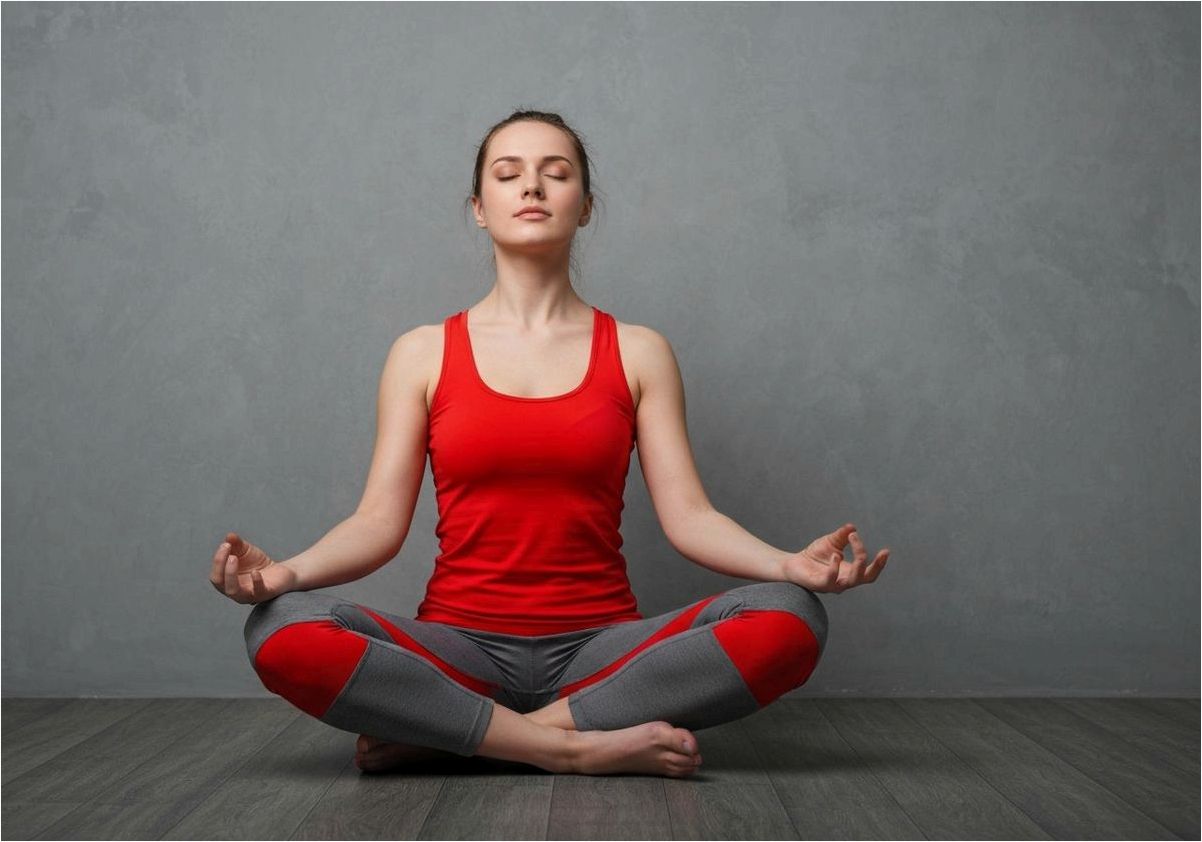
Nowadays, the ability to relax often becomes as rare a skill as concentration or emotional stability. Despite understanding the importance of rest, we rarely allow ourselves to truly switch off. Anxious thoughts, feelings of guilt and a never-ending to-do list make it difficult to relax. Experts in the field of psychology are convinced: the ability to relax is not given to us by nature, it is a skill that needs to be developed purposefully.
Contents of the article:
- Chapter 1: Identify What Helps You Relax
- Chapter 2: Think of Rest as a Conscious Action
- Chapter 3. Plan your vacation as carefully as your work
- Chapter 4. Organize small “breaks” for relaxation during
- Chapter 5. Create a ritual to help you get into the mood for relaxation
- Chapter 6. Learn to cope with emotions that interfere with
- Chapter 7. Give up the idea of rest as a reward
- Chapter 8. Use the idea that rest improves performance – if it
- Chapter 9: Reduce Your Expectations of Holidays
- Chapter 10. Don’t be afraid to ask for help
- Chapter 11: Be More Tolerant with Yourself
Chapter 1: Identify What Helps You Relax
When you hear the word “rest” most of us act out of habit. We do what everyone thinks is supposed to calm us down: take a bath, start a meditation, or aimlessly scroll through social media. However, often these actions do not relieve tension at all, and sometimes even increase anxiety.
Psychologists advise thinking differently: not perceiving rest as a fixed action, but seeing it as a result. It is important for your body and mind to feel for yourself what brings relief. Pay attention to the sensations after each session: did you feel relief, inner peace and stability? Or did irritation and emptiness arise? Sometimes the path to relaxation begins with small steps—for example, 30 seconds of silence or one deep breath.
It can also be helpful to keep a relaxation journal. Write down exactly what activities you tried and how they made you feel. This analysis will help you identify the most effective ways to relax for you. Don’t be afraid to experiment: perhaps walking in the fresh air, listening to your favorite music, creative activities, or even just observing nature will suit you.
It’s also important to remember that relaxation is a process that requires regular practice. One or two attempts may not yield immediate results, so give yourself time and focus on gradually improving your well-being. If tension and anxiety persist for a long time, it’s worth consulting a professional who can help you develop individual techniques and support you on your path to harmony.
Chapter 2: Think of Rest as a Conscious Action
Random rest almost never brings results. We want to “take a minute to rest,” but instead we get distracted by our phones, continue to worry about work, answer messages—and time passes, and relaxation never occurs.
Psychotherapists emphasize: true rest requires conscious intention. A clear decision, “I am resting now,” is much more effective than it seems. This awareness helps the brain switch to a different mode when the nervous system begins to decrease activity. Chapter 3. Plan Rest as Carefully as You Plan Work
Chapter 3. Plan Your Rest as Carefully as Your Work
If rest isn’t scheduled, it’s unlikely to happen—such is the reality of modern life. We wait for the right moment, the right mood, or the feeling of “I deserve it,” but such circumstances rarely arise.
Experts recommend scheduling rest. Allocating at least 10–15 minutes each day is sufficient. It’s important to treat these periods as sacred time. And yes, if you want to dedicate your entire day to watching TV series, give yourself permission; don’t limit your enjoyment to a mere 30 minutes.
Furthermore, a variety of forms of rest helps maintain motivation and improve overall well-being. This could be short walks outside, breathing exercises, reading a pleasant book, or pursuing a hobby. Try to alternate between active and passive rest to allow your body and mind to fully recover.
Remember that rest not only helps restore energy but also increases productivity. Taking a break can reduce stress, improve concentration, and enhance creative thinking. Plan your rest in advance and avoid putting it off until later—self-care should become part of your regular routine.
Chapter 4. Organize Small Relaxation Breaks Throughout the Week
Many people live on a “work-work-work-day off” schedule. There’s a catch: rare periods of rest turn into prolonged periods of procrastination, followed by feelings of guilt instead of relief.
It’s much more beneficial to distribute moments of relaxation evenly. Small doses of rest help prevent emotional exhaustion and reduce the risk of escaping into binge-watching TV shows or late-night scrolling through social media. Try incorporating small joys into your life: a leisurely coffee, a short walk, or a few minutes with your eyes closed every day.
Furthermore, these short breaks help improve concentration and increase productivity. Research shows that the brain needs time to recover, and regular breaks promote better retention and decision-making. Try the Pomodoro Technique—work for 25 minutes, then take a 5-minute break. During this time, stretch, breathe deeply, or simply step away from the computer screen.
It’s also important to stay physically active throughout the day. Even simple neck, back, and shoulder exercises can help relieve tension and improve overall well-being. Try to vary your breaks—change your activity, get some fresh air, or listen to your favorite music. This small investment in your rest will certainly have a positive impact on your mood and energy.
Chapter 5. Create a Ritual to Help You Get in the Mood for Rest
When work and home become one—as has happened for many in recent years—the boundaries gradually blur. Previously, the commute home, a change of scenery, or conversations along the way served as a switch. Now these natural “cues” are gone, but the desire to switch off remains.
Create your own ritual for transitioning into rest mode: it could be a short walk, stretching, listening to your favorite music, changing clothes, making tea, or making a to-do list for tomorrow. These actions signal to your brain that it’s time to release tension and enter a relaxed state.
It’s important that the ritual be regular and mindful. Try setting aside a specific time and space for it, even if you work from home—for example, after finishing work, always go to the balcony or another room to perform your ritual. This will help create a strong association between these activities and relaxation.
It’s also helpful to avoid checking work email or messaging apps immediately after work. While this often feels natural, such actions only increase stress and hinder your ability to recharge. Instead, focus on rituals that help reduce cortisol levels and activate the parasympathetic nervous system—such as breathing exercises, meditation, a warm shower, or aromatherapy.
Remember that your ritual can be tailored to your mood and time of day: for example, it can help you feel more alert in the morning after waking up, and prepare you for sleep in the evening. Over time, this mindful transition will become a habit that will significantly improve your emotional state and the quality of your rest.
Chapter 6. Learn to Cope with Emotions That Interfere with Relaxation
Sometimes we do everything right, but we can’t relax—fear, anger, guilt, or incessant thoughts keep our minds in a state of tension. The body rests on the couch, but the mind won’t let us rest.
In such cases, it’s important not to try to forcefully “calm down,” but to use emotional regulation techniques. These could include breathing exercises, grounding practices, cognitive techniques for stopping thoughts, compassionate meditations, or short pauses for awareness and letting go of feelings. Managing your internal dialogue is a key skill that makes rest truly beneficial.
Chapter 7. Give up the thought of rest as a reward
Many people are accustomed to considering rest a well-deserved reward. I can’t relax until I’ve finished everything I’m supposed to do. But the to-do list never ends, and the feeling of “I haven’t done enough” is a tricky trap.
If rest becomes a bonus for productivity, it loses its therapeutic effect. Psychologists remind us: rest is a physiological necessity, not a privilege. Our bodies are not machines. The brain needs regular breaks to maintain stability, focus, and health.
If the idea “I deserve rest” seems unattainable, try this: rest improves your productivity and the quality of your work. It’s a pragmatic, guilt-free approach.
Of course, it’s better to break free from the “I rest to work better” mentality, but along the way, you can use any strategies that allow you to relax, at least temporarily.
Chapter 9. Reduce Your Expectations from Rest
There are too many expectations placed on rest. We expect it to instantly relieve anxiety, burnout, or chaos in our lives. But such expectations create additional pressure.
Psychotherapists recommend taking a more relaxed approach to rest: it’s not a magic “stress-erasing” button, but a chance to temporarily stop the hustle and bustle. Perfect results aren’t required—creating a space where you can be stress-free is key.
Chapter 10. Don’t Be Afraid to Ask for Help
If learning to relax is particularly difficult, the reasons may be deeper than it seems. Sometimes it’s an internal belief that “you always have to work,” sometimes it’s family traditions or past experiences.
Working with a psychologist can help you understand these internal barriers, understand the source of your limitations, and develop your own relaxation style. This is a healthy and natural path, especially if you feel constantly tense.
Chapter 11. Be More Tolerant Toward Yourself
And finally, the most important recommendation: Any relaxation techniques should not become an additional chore. There are days when everything goes wrong. There are weeks when you find yourself browsing social media again instead of meditating. This isn’t a failure—it’s part of life.
Being kind to yourself significantly enhances the effects of relaxation. If you learn to accept your imperfections without self-criticism, relaxation will gradually become a natural part of everyday life, not a joyful exception.