Exercising without shoes: advantages and disadvantages of barefoot training
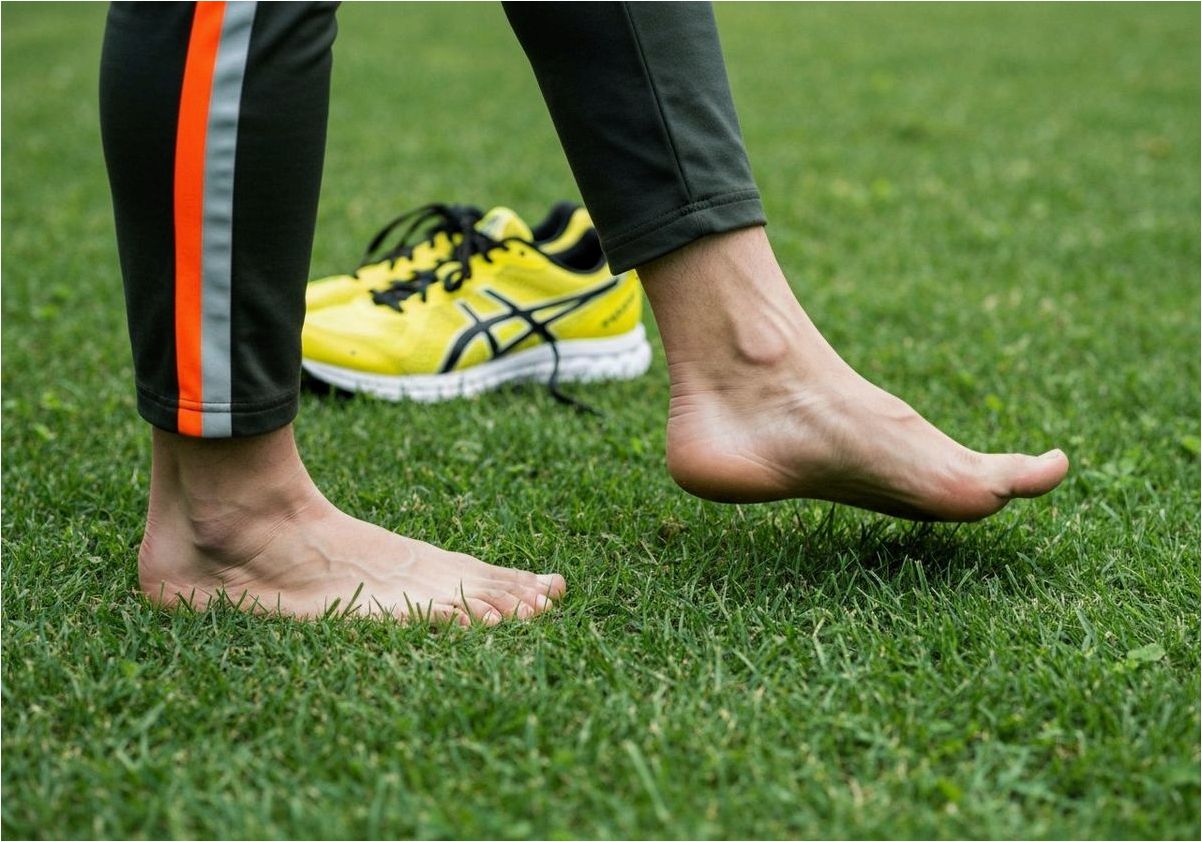
It used to be that having good running shoes was a prerequisite for results in sports. However, today more and more trainers and fitness enthusiasts are choosing to train barefoot. How safe is it? We asked the experts!
Contents of the article:
recently, shoeless workouts have become popular among gym goers. Many note that this practice helps strengthen leg muscles, improve mobility and develop a sense of balance. However, experts warn that in addition to the positive effects, barefoot activities are associated with certain risks, such as the likelihood of injury or infection.
Running shoes traditionally provide support, comfort and stability to the foot, which reduces the risk of injury during exercise. However, some instructors believe that training without shoes offers unique benefits, including improved mobility and increased proprioception – the ability to navigate in space, to sense the position of your own body.
In fact, barefoot exercise actually helps develop balance and coordination by putting your feet in direct contact with the surface. However, in some cases this practice may not be so useful and even harmful.
“Exercising without shoes helps strengthen your foot muscles and develop proprioception, that’s a fact,” explains Gregory Alvarez, a podiatrist at Ankle and Foot Centers of America. – “However, with this there is a risk of injury. If you decide to practice barefoot, it is extremely important to follow safety precautions.”
Experts advise starting barefoot training gradually to give the muscles and ligaments time to adapt to the new load. It is important to choose clean, level surfaces to minimize the risk of cuts, bruises, and bacterial or fungal infections. When exercising outdoors, sharp objects and uneven surfaces should be avoided, and in the gym it is recommended to use special mats or training areas with an antimicrobial coating.
In addition, barefoot exercise is contraindicated for people with diabetes, circulatory disorders, or neurological diseases, as these groups have an increased likelihood of injury and complications. When in doubt, it is always best to consult a doctor or physiotherapist.
To summarize, we can say that barefoot training is an interesting and useful method of working on the body, but it requires care and the right approach. Combining activities with and without shoes will help you maximize strength, endurance and coordination while maintaining healthy feet.
The benefits of barefoot training
As already noted, exercise without shoes helps strengthen the muscles of the feet and develop neurosensory connections, which improves a person’s stability and reduces the likelihood of injury.
“More intense sensory stimulation of the sole leads to greater body awareness, improved coordination, and increased neuromuscular control,” shares Alvarez. This manifests itself in improved balance, agility, strength and stability.
Barefoot training also has a positive effect on the foot itself. “Without shoes, your foot muscles have to work harder because you don’t have the support that athletic shoes provide,” says Anna Shannahan, associate director of the Osher Center for Integrative Medicine at Northwestern Medicine.
Walking or exercising without shoes requires more stability and helps strengthen the plantar area of the foot.
In addition to improving balance, strength and stability, barefoot exercise allows the body to move more naturally, without being restricted by the cushioning materials used in athletic shoes, Alvarez says.
Disadvantages of exercising without shoes
Avoiding sneakers opens you up to a number of risks: You become more susceptible to cuts, abrasions, and other skin damage. At the same time, training in public places – in fitness centers or gyms – increases the chance of contracting fungal infections, such as mycosis of the feet.
When it comes to athletic performance, scientific research into the effects of barefoot training has yielded mixed results.
Thus, a small study from the University of Kansas Medical Center, conducted over 8 weeks, did not find significant improvements in strength and proprioception in barefoot runners. It was unclear whether the body required more time to adapt or whether this method of training did not provide tangible benefits. But in another study published in the International Journal of Sports Science & amp; Coaching, it was noted that playing barefoot netball helped strengthen the ankles and increase their mobility in female athletes.
Despite the partially confirmed benefits, doctors emphasize that there is no clear evidence of the effect of barefoot training on overall sports performance.
Who is suitable for barefoot training?
The safety of exercising without shoes directly depends on the health of your feet and the characteristics of the chosen type of load.
For those who have previously suffered from foot problems such as plantar fasciitis, heel spurs, or bunions (the bony protrusion at the base of the big toe), it is best to stick to your shoes while exercising.
For people with flat feet, sneakers provide indispensable support as they support the plantar ligament, which connects the heel bone to the toes and is responsible for maintaining the arch of the foot. Likewise, those with high arches benefit from the added support of their shoes when walking and running.
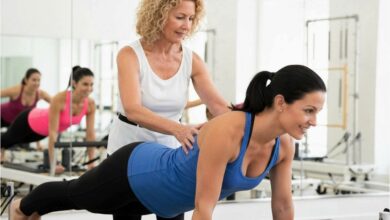
In terms of exercise specifics, mat-based exercises (such as yoga or Pilates) are usually safe to do barefoot, as long as you don’t have lower extremity problems.
However, riding an exercise bike without shoes is not recommended, as there is a high risk of getting bruises or cuts from the pedals.
For street running enthusiasts, the best option is to wear sneakers to avoid injury.
If you’re doing strength training at home, you can try working out barefoot to develop proprioception, but in gyms it’s best to stay in athletic shoes because of the potential spread of germs. Dr. Shannahan recommends wearing sneakers when lifting heavy objects: “This will protect your feet and ankles, reducing the risk of injury.”
If you decide for training barefoot, give your body a chance to adapt by starting with short, moderate-impact sessions—allowing your feet to gradually get used to the new conditions and sensations.
You can walk barefoot during the warm-up and cool-down, but spend the main part of the workout in shoes. Strengthening the muscles in your thighs, buttocks, and feet and ankles will help make the transition to shoeless exercise more comfortable. Developing muscle mass compensates for the lack of cushioning and support your feet are accustomed to.
There are specialized minimalist shoes that mimic the feeling of walking barefoot and promote the natural biomechanics of the foot.
Doctors recommend consulting with a podiatrist first to rule out hidden foot problems that could make barefoot training painful or dangerous. The main thing is to listen carefully to your body! If exercising without shoes brings you joy and comfort, continue; if discomfort or pain appears, stop and take care of your health. Ultimately, each person is individual, and it is important to find the best option for yourself.