Everyone went to lunch
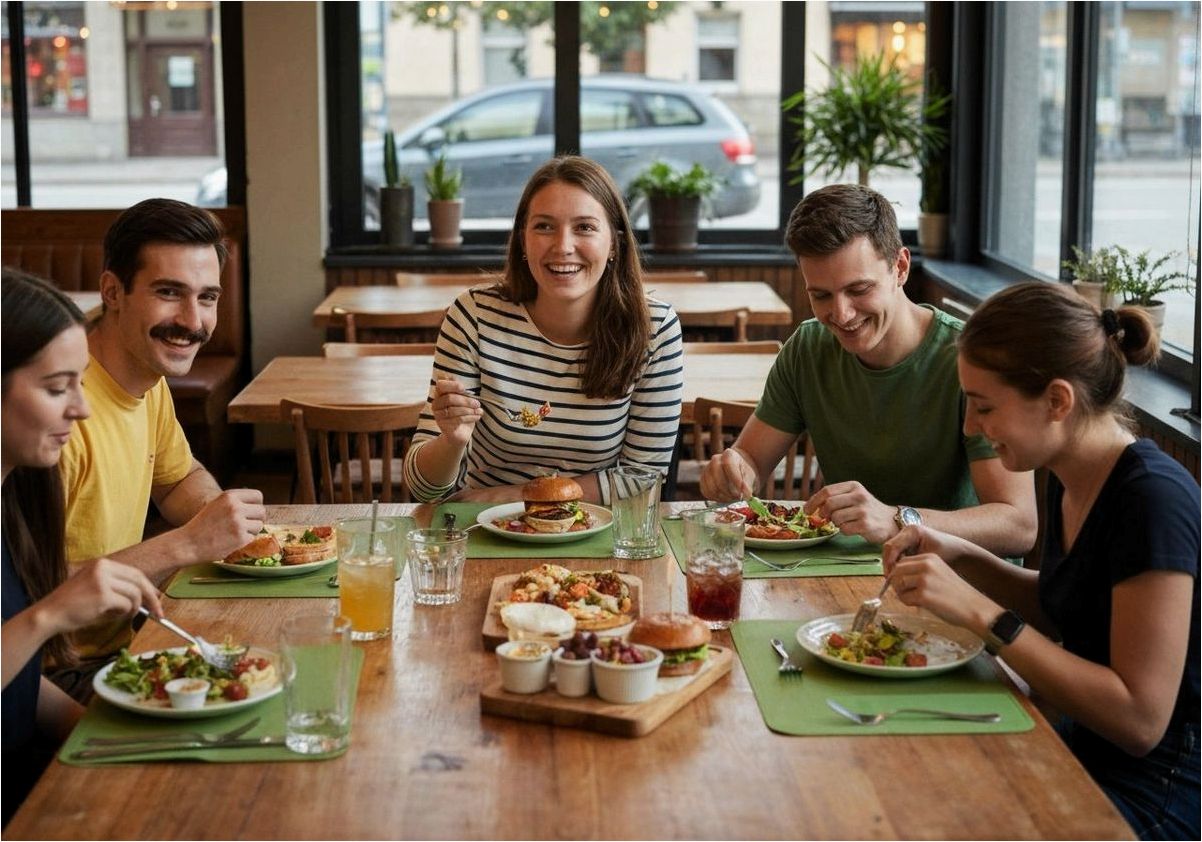
First and foremost, remember this: lunch is an essential part of the day. Our bodies have a natural survival mechanism, so if we don’t replenish their energy for a long time, they start storing it as fat. Ideally, lunch should account for about 35% of your daily calorie intake. Breakfast and lunch are considered the most filling and nutritious meals of the day. While complex carbohydrates with a little protein are preferred in the morning, the midday meal shifts focus: protein takes center stage, and fiber becomes an indispensable ally. It is recommended to alternate between meat, poultry, and fish, as each of these foods has its own unique nutritional and flavor characteristics.
Frozen vegetables make an excellent side dish. Experts advise preparing them right before serving—for example, reheating them in the microwave to preserve as many nutrients as possible and save time. However, it is important to remember that storing frozen vegetables at room temperature is unacceptable, as thawing causes a loss of vitamins. Fresh salads made from grated carrots, cucumbers, tomatoes, radishes, and a variety of salad greens: lollo rosso, frisée, romaine, iceberg, and others. Don’t forget about nutritious foods like buckwheat, lentils, brown rice, or whole-wheat pasta—they not only help you stay in shape but also support healthy brain function. Now that you know all the ins and outs of a proper lunch, all that’s left is to prepare it, pack it securely, and take it with you to the office. To save you the hassle of choosing dishes, we offer a selection of recipes from the head chef of the Moscow café LOFT, SERGEY SVIRIDOV. All these dishes are delicious, healthy, and easy to prepare.
THE MYTH ABOUT SOUP
As children, we were constantly told that soup is a mandatory part of lunch. But modern nutritionists dispute this tradition: they believe that soup doesn’t have to be included in the daily menu, and if you really want it, it’s better to eat it in the evening and not have anything else with it. A light vegetable soup for dinner is lower in calories and much gentler on your figure than heavier foods. In addition, broth-based soups promote better absorption of nutrients in the body and help maintain hydration, which is especially important during the warmer months.
BEEF ROLL WITH MUSHROOMS
300 g beef tenderloin
50 g fresh button mushrooms
50 g fresh asparagus
1 tsp olive oil
Salt and pepper to taste
Preheat the oven to 180°C. Cut the meat into thin slices and lightly pound them so that each piece is slightly larger than the palm of your hand. Season the meat with salt and pepper. Cut the mushrooms into thin strips lengthwise and arrange them in an even layer on top of the meat. Roll up the rolls and wrap each one in foil. Place them on a baking sheet and bake for about 25 minutes. Meanwhile, trim and wash the asparagus, season with salt and pepper, and sauté in olive oil for 2 minutes on each side. The dish is ready.
Tip: You can use turkey or chicken breast instead of beef—this will make the dish lower in calories while maintaining its high nutritional value.
GOOSE LIVER WITH BROCCOLI AND CAULIFLOWER
200 g beef liver
1/5 of a medium onion
1 tsp sugar
1 tbsp balsamic vinegar
3 broccoli florets
3 large cauliflower florets
1 tbsp olive oil
Salt and pepper to taste
A knob of butter
Trim the liver of any membranes and cut it into pieces. Melt a mixture of butter and olive oil in a skillet and sauté the liver over medium heat, stirring constantly, for about 4–5 minutes. Then add 2 tablespoons of water and let it evaporate for 1–2 minutes. Next, add the sugar and pour in the balsamic vinegar; season with salt and pepper, and continue to simmer, stirring, for another 2–3 minutes. Separate the broccoli and cauliflower into florets and blanch them in salted water for about 5 minutes.
Liver is an excellent source of iron and vitamin A, which helps support immunity and skin health.
CHICKEN BREAST WITH ROASTED VEGETABLES
200 g chicken breast
1/4 zucchini
1/4 eggplant
1/3 bell pepper
30 g leek
A pinch of dried basil
1 tsp olive oil
Salt and pepper to taste
Cut the chicken breast in half. Season with salt and pepper, place in a well-heated, oiled skillet, and cook over low heat for 7–8 minutes on each side until fully cooked. Cut the vegetables into diagonal slices about 1 cm thick and sauté over medium heat until al dente, about 2 minutes. Leeks take longer to cook than the other vegetables. If the pan is large enough, you can cook the vegetables at the same time, arranging them evenly—the main thing is that they lie in a single layer. At the end, sprinkle the dish with dried basil.
To enhance the flavor, you can add a little fresh garlic or rosemary while sautéing the vegetables.
DRINKS AT THE WORKPLACE
COFFEE. It is recommended to drink it only in the morning and not to exceed 1–2 cups.
FRUIT JUICES. It is best to drink them in the morning, as only freshly squeezed juices retain their maximum nutritional value, but their shelf life is very short. In addition, juices lack fiber, and the sugar they contain is quickly absorbed into the bloodstream. It’s better to eat the whole fruit!
GREEN TEA AND STILL WATER. You can drink these without restriction—they not only help cleanse the body but also boost energy.
It’s also beneficial to include herbal teas (chamomile, mint, rosehip) in your diet, as they help relieve stress and improve digestion.
BREAKING THE FAST
In healthy eating, it is recommended that no more than 3–3.5 hours pass between meals. This means that snacks are necessary—a mid-morning snack and an afternoon snack. The mid-morning snack should be higher in calories, while the afternoon snack should be lower. A snack is not meant to fill you up, but to satisfy hunger, so it should be as healthy as possible. For example, glazed cheese sticks aren’t the best choice, as they contain “bad” fats and simple carbohydrates. They won’t make you feel full, but will turn into fat excellent alternatives include fresh fruit, crispbread, organic yogurt, low-fat cottage cheese, and soft cheese.
Add small amounts of nuts and seeds to your snacks—they provide your body with healthy fats and help you feel full.
SALMON IN ORANGE SAUCE WITH ASPARAGUS
200 g salmon fillet
50 g fresh asparagus
1 orange
2 tbsp flour
A knob of butter
Salt and pepper to taste
Squeeze the juice from the orange and set it aside. Coat the salmon in flour, season with salt and pepper. Melt the butter in a skillet and fry the fish over medium heat for 2 minutes on each side until golden brown. Then pour in the orange juice, bring to a boil, cover, and simmer for 2 minutes. Then flip the fillets and cook for another 2 minutes to allow the sauce to thicken slightly. Asparagus, blanched in salted water for about 5 minutes, pairs perfectly with the salmon.
Orange sauce is rich in vitamin C, which enhances the absorption of iron from the fish, increasing the dish’s overall nutritional value.
ETIQUETTE AT THE CORPORATE TABLE
When you arrive at the office in the morning, be mindful of the guidelines regarding the food you can bring with you.
- Safety and lack of odor. Foods with strong aromas are inappropriate in the office.
- Hygiene. Foods with runny sauces, drippy dressings, shells, trimmings, or peels can cause inconvenience for you and your colleagues—potentially even requiring dry cleaning.
- Respect for colleagues. If your team is observing a fast or following a diet, refrain from bringing meat or other prohibited foods. If someone has allergies, strictly exclude allergens from your diet. You shouldn’t constantly bring exotic dishes to work, such as lobster or black caviar sandwiches, even if your nutritionist recommends such foods.
Also, try to use airtight containers to avoid accidental spills and unpleasant odors in the common area.
VEGETABLE STIR-FRY WITH PESTO SAUCE
1/4 zucchini
1/4 eggplant
1/3 bell pepper
1/2 large carrot
1/5 onion
2 minced garlic cloves
A pinch of crushed bay leaf
Salt and pepper to taste
1 tbsp olive oil
1/3 tbsp pesto sauce
Lettuce leaves for garnish
Cut all the vegetables into large cubes without peeling them. Spread them in an even layer in a large, preheated skillet with oil and sauté them. If the skillet is too small to hold all the vegetables, cook them in batches. It is important that each side of the vegetables is cooked through. Next, combine the vegetables in one pan, and when they are almost done, add the bay leaf, garlic, salt, and pepper. Drizzle the finished dish with pesto sauce and serve on lettuce
to enhance the flavor, you can sprinkle the dish with coarsely chopped pine nuts or fresh basil when serving.