12 Foods With More Calcium Than a Glass of Milk
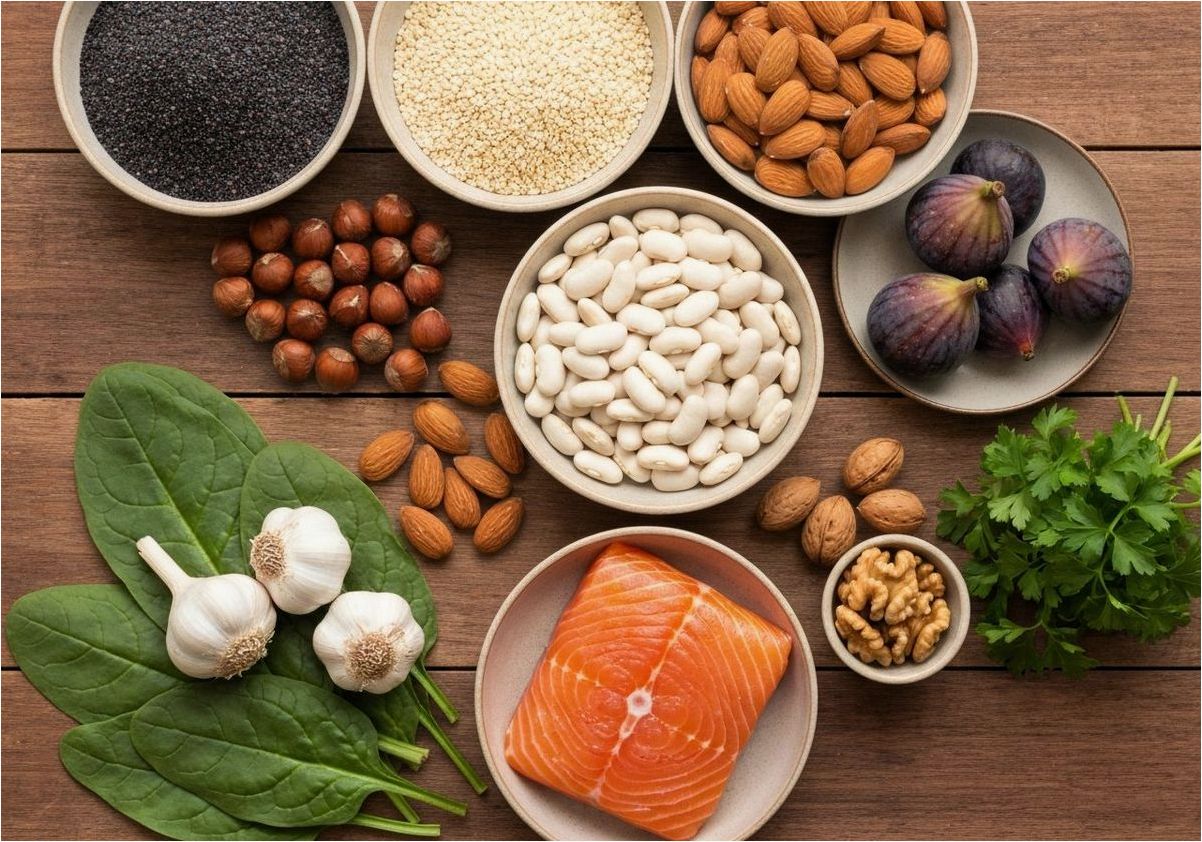
Milk has long been considered a staple for strengthening bones. However, there are many other options—from greens and nuts to fish and legumes—that can offer even more of this vital mineral. Whether you follow a traditional, vegetarian, or plant-based diet, you have a wide variety of delicious and healthy alternatives.
Article Contents:
1. Yogurt
Calcium: 488 mg per cup
Natural yogurt, which is low in fat, has almost one and a half times more calcium than milk. Similarly, low-fat yogurt contains about 448 mg per cup. Greek yogurt, despite its thick consistency and high protein content, has a lower calcium content—approximately 250–260 mg.
Yogurt is not only a source of calcium but also rich in potassium, zinc, magnesium, protein, and probiotics, which promote gut health and aid nutrient absorption.
One glass of milk (about 240 ml) contains approximately 300 mg of calcium.
2. Soybeans
Calcium: 504 mg per cup
Green soybeans, known as edamame, provide about half the daily calcium requirement—significantly more than milk. Cooking increases the volume of soybeans, so 1 1/4 cups of cooked soybeans are comparable in calcium content to one cup of milk. In addition, soybeans are rich in plant protein, dietary fiber, and isoflavones, which have a positive effect on hormonal balance.
Soybeans also contain B vitamins, magnesium, iron, and potassium, which help maintain cardiovascular health and improve metabolism. The isoflavones present in soybeans have antioxidant properties, help lower cholesterol, and reduce the risk of osteoporosis. Due to their high protein content and low glycemic index, edamame is an excellent food for maintaining muscle mass and weight management.
3. Firm Tofu
Calcium: 506 mg per cup
The calcium content of tofu depends largely on its production method. If calcium sulfate is used in production, the product becomes a true leader in calcium content. Tofu is also an excellent source of plant-based protein and is easily digestible, making it a popular substitute for animal products.
In addition to calcium, tofu is rich in iron and magnesium, which help maintain normal energy levels and muscle health. Due to its low saturated fat and cholesterol-free content, tofu is also a healthy food for the cardiovascular system. It is well-suited for vegetarians and those watching their weight and cholesterol levels.
4. Collard Greens
Calcium: 324 mg per cup
One serving of cooked collard greens provides a third of the daily value for calcium. These cruciferous vegetables also contain nearly 600% of the daily value of vitamin K, which is essential for maintaining bone health, as well as vitamins B6, C, iron, and magnesium.
Due to its high antioxidant content, kale helps reduce inflammation and strengthen the immune system. Its fiber promotes digestion and maintains normal blood sugar levels. Regular consumption of kale may help reduce the risk of chronic diseases, including cardiovascular disease and certain types of cancer.
5. Bok Choy
Calcium: 158 mg per cup
Although the calcium content in bok choy is lower than in milk, its bioavailability is much higher. Therefore, the body can absorb as much calcium from bok choy as from a glass of milk. Unlike spinach, which contains oxalates that interfere with calcium absorption, bok choy is excellent for maintaining bone health.
6. Dried Figs
Calcium: 220 mg per cup
Figs are one of the few fruits with a good amount of calcium. Besides calcium, they are rich in antioxidants, dietary fiber, and iron. However, it’s important to keep in mind that dried fruit is high in calories—a cup contains about 400 kcal and 70 grams of sugar. Therefore, it’s recommended to consume small portions (approximately 60 g or 2 ounces), adding them to cereals, salads, or yogurts to boost calcium intake.
7. Ricotta
Calcium: 669 mg per cup
Low-fat ricotta has nearly twice the calcium of cow’s milk—669 mg per serving. Even half a cup provides about 330 mg of calcium. This smooth cheese is rich in protein and is perfect for both sweet and savory dishes.
8. Canned Sardines
Calcium: 351 mg per can
Sardines are a powerful source of calcium, omega-3 fatty acids, and protein. Their calcium comes from their soft, edible bones. When choosing sardines, pay attention to the label, as the calcium concentration varies depending on the manufacturer and whether they are packaged in oil or brine.
9. Canned Salmon
Calcium: 168 mg per 100 g
Like sardines, the calcium in canned salmon is found in the soft bones. Unlike fresh salmon, which contains almost no calcium (about 15 mg per serving), salmon can provide up to 168 mg of the mineral. Be aware of the high sodium content in this product, which is often found in canned products.
Canned salmon is also an excellent source of omega-3 fatty acids, which promote cardiovascular health and have an anti-inflammatory effect. It also contains vitamin D, which is essential for calcium absorption and bone health. When choosing canned salmon, pay attention to the ingredients—it’s best to choose products without added artificial preservatives and with minimal salt.
For those watching their weight, salmon can be a source of high-quality protein with relatively low calories. It’s also easy to store and can be used in a variety of dishes, including salads, pastas, casseroles, and sandwiches.
10. Fortified Plant-Based Milk
Calcium: Up to 422 mg per cup
Modern plant-based drinks—almond, oat, and soy milk—are often additionally fortified with calcium. For example, almond milk can contain up to 422 mg of calcium per cup, oat milk—about 338 mg, and soy milk—approximately 400 mg. Be sure to check the label, as homemade or unfortified versions contain much less of this mineral.
11. Fortified Orange Juice
Calcium: 350 mg per cup
Some types of orange juice are made with added calcium and vitamin D. This product provides about a third of the daily calcium requirement, while freshly squeezed juice contains only about 27 mg per serving. This is a convenient choice for those avoiding dairy products.
Additionally, fortified orange juice retains high levels of vitamin C, which promotes better calcium absorption. This juice is suitable for people with lactose intolerance and those following a vegetarian or vegan diet. It’s important to choose options without added sugar to ensure the drink remains as healthy as possible.
12. Chia Seeds
Calcium: 595 mg per 100 g
Chia seeds are considered a true superfood. 100 grams contain almost 600 mg of calcium—twice as much as a glass of milk. Even a small serving—about one tablespoon—will add about 150 mg of calcium to your diet. Chia is also rich in omega-3 fatty acids, protein, and antioxidants.
Conclusion
Milk isn’t the only food that can support bone health. Yogurt, tofu, leafy greens, fish with bones, and seeds easily provide calcium and other essential micronutrients. Diversity is key. Include a variety of calcium sources to maintain strong bones, teeth, and muscles.
In addition to calcium, vitamin D, magnesium, and vitamin K2 are essential for bone health. Vitamin D promotes calcium absorption, and a deficiency can lead to decreased bone mineral density. Magnesium is involved in bone formation and helps regulate calcium levels in the body. Vitamin K2 activates proteins responsible for bone mineralization. To maintain an optimal balance of nutrients, it’s helpful to include eggs, fish, nuts, and green vegetables in your diet.
It’s equally important to maintain an active lifestyle and get regular physical activity. Weight-bearing exercises, such as walking, running, and using weight training machines, strengthen bones and improve their density. Avoid unhealthy habits, such as excessive alcohol consumption and smoking, which negatively impact skeletal health.