Come Enjoy Some Pancakes: A Light and Healthy Maslenitsa!
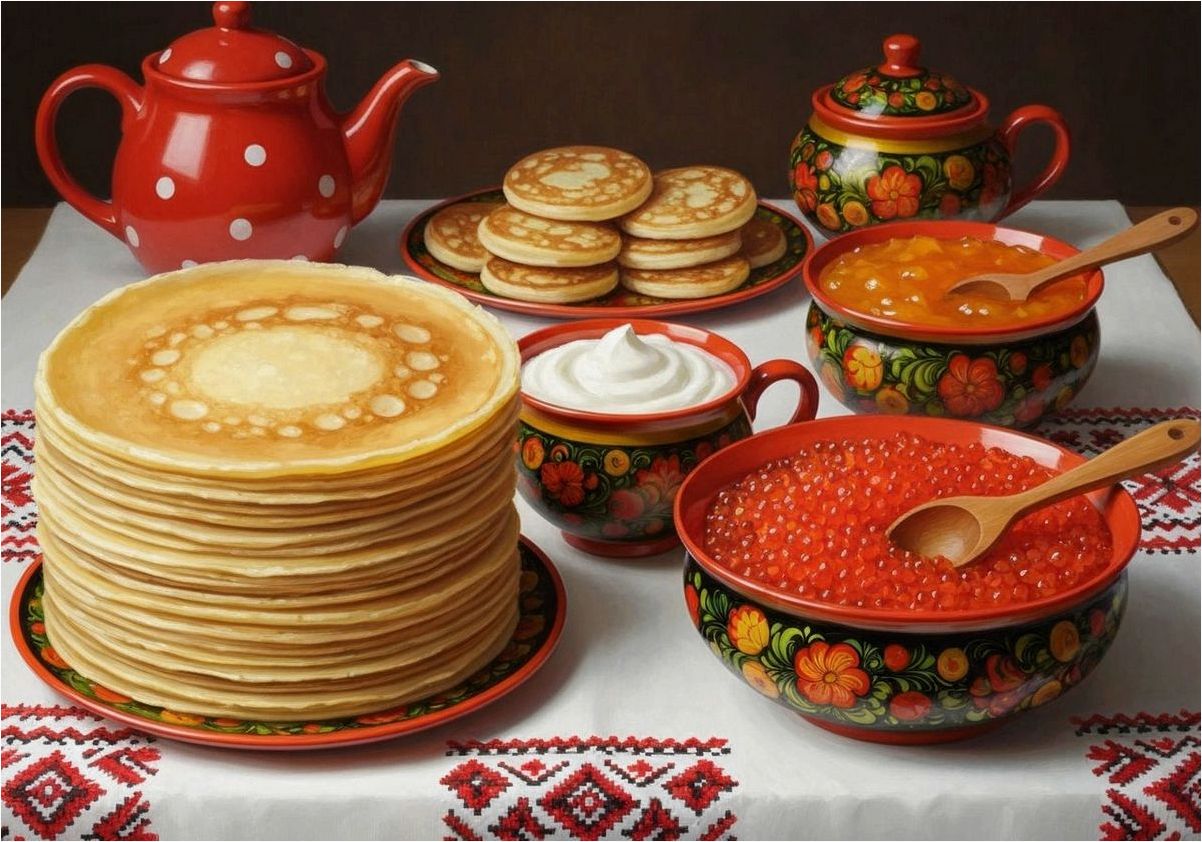
Maslenitsa week is always a time for lavish feasts. To ignore traditional dishes is to offend the hostess, and to decline an invitation to a festive dinner is to lose your friends’ respect forever. But what if pancakes don’t fit into your healthy lifestyle? KEGOL’s answer is simple: “Make pancakes, but use special recipes!”
Article contents:
A tall stack of hot, fragrant pancakes with butter—that’s exactly how our ancestors celebrated Maslenitsa. However, keeping up with these culinary feats throughout the entire week of traditions is no easy task.
And there’s no need to force yourself. Russian cuisine offers plenty of options that are gentle on your figure and digestion. Do you prefer red pancakes or pancakes with a crispy edge? Or perhaps you’d like to try thin, lacy French crêpes or Italian crespelle? You could check out German recipes and make Pfannkuchen, or take a chance on Asian rice pancakes with fillings.
As it turns out, every culture has its own pancake traditions. But KEGOL encourages you to create your own unique pancake story, tailored to your taste!
Key ingredient: flour
The main culprit behind the high calorie content of pancakes is wheat flour. Interesting fact: buckwheat flour actually has more calories than wheat flour (353 kcal vs. 334), but it doesn’t contain gluten—a plant protein that often causes allergic reactions.
Buckwheat flour lacks gluten, which makes pancakes made from it porous and fluffy; therefore, it is usually mixed in equal parts with wheat flour. However, such pancakes are unlikely to help with weight loss.
Oat flour, on the other hand, is practically a surefire choice. Gastroenterologist Vadim Chernogolov advises: “Replace half of the oat flour with finely ground oat bran—the taste won’t suffer, but the calorie count will go down.”
Maslenitsa pancakes symbolize the sun, but who says they have to be overly rich? Partially replace the flour in the classic recipe with mashed pumpkin—you won’t get thin pancakes with this ingredient, but you’ll end up with very appetizing fritters.
- Monday—the start of Maslenitsa week.
- Tuesday—flirting and outdoor festivities.
- Wednesday—for those with a sweet tooth: on this day, sons-in-law and their wives are invited to their mother-in-law’s house for pancakes, which is where the expression “to the mother-in-law’s for pancakes” comes from.
- Thursday—sleigh rides.
- Friday is “mother-in-law night,” when sons-in-law invite their mother-in-law over for a meal.
- Saturday is “sister-in-law get-together” time.
- Sunday is a day of forgiveness and reconciliation.
Essential ingredient: oil
You can’t steam pancakes or grill them—only fry them in a pan. To make them as healthy as possible, use as little oil as possible. Animal fats don’t hold up well at high temperatures, and making pancakes requires high heat. It’s better to choose a healthy vegetable oil and not aim for a overly browned crust—a “light browning” is much healthier.
Opt for pans with a thick bottom and a nonstick coating. Before pouring the batter, rub the surface with half a potato coated in oil—this way, you’ll use only about 30 grams of fat for 10 pancakes. The classic option: butter.
KEGOL’s tip: Add vegetable oil directly to the batter.
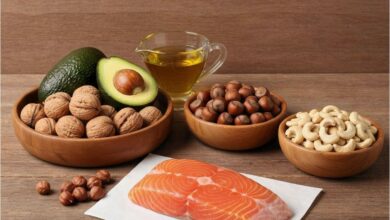
It’s also worth noting that oils with a high smoke point—such as refined sunflower, corn, or avocado oil—are ideal for frying pancakes. Avoid using unrefined oils, as they can burn and give the dish an unpleasant taste. It is also helpful to switch up the oil you use from time to time to prevent the buildup of harmful substances and add variety to your diet.
If you want to make your pancakes even healthier, you can add superfoods to the batter, such as ground flaxseeds or chia seeds, which are rich in healthy fats and fiber. These additions will not only enhance the flavor but also increase the nutritional value of the pancakes without adding more oil during frying.
Pancakes with pears
Makes 5 servings // Prep time: about 30 minutes
• 250 g all-purpose flour
• 2 tbsp sugar
• 1 cup water
• ground cinnamon
• 1 egg
• 3 pears
• 2 tbsp lemon juice
• 100 g blanched almonds
• Salt to taste
Combine the sifted flour, a pinch of salt, half the sugar, water, and the egg. Mix the pancake batter thoroughly and let it rest for a while. If the batter is too thick, thin it out with mineral water. Bake thin pancakes.
Peel the pears, cut them into wedges, and remove the cores. To prevent the wedges from browning, sprinkle them with lemon juice.
Sauté the pears and almonds in a skillet with a small amount of butter. Sprinkle with the remaining sugar and, stirring constantly, caramelize the mixture. Serve by placing the fruit and nuts on top of the pancakes.
Pumpkin pancakes
Makes 10 servings // Prep time: about 40 minutes
• 250 g rice flour
• 200 g peeled pumpkin
• 1 tbsp sugar
• 4 tbsp vegetable oil
• Fresh parsley
- Cut the pumpkin into pieces and steam until tender. Pass through a sieve, add the sugar and rice flour, and mix thoroughly until smooth.
- Shape the dough into a long roll and cut into 20 equal pieces. Shape them into slightly flattened rounds. Fry the pancakes on both sides until golden brown.
- Garnish with fresh herbs when serving.
Oatmeal Pancakes
Makes 5 servings // Cooking time: about 25 minutes
- 125 g oat flour
- 125 g wheat flour
- 0.5 L milk (1.5% fat content )
- 2 tbsp vegetable oil
- 2 eggs
- 100 g apples
- 1 tbsp sugar
- Salt to taste
- Mix and sift the flour.
- Beat the egg whites until stiff peaks form.
- Separate the yolks and beat them with the sugar. Add the milk, flour, and thinly sliced apples, then gently fold in the egg whites.
- Pour the vegetable oil into the batter. Bake the pancakes and serve with berry purée.
Maslenitsa celebration traditions
Start Maslenitsa by building a straw effigy of winter dressed in bright clothes, which must be burned on the last day of the festival. This symbolizes saying goodbye to the cold and welcoming spring.
Each day of Maslenitsa has its own purpose: for example, Monday is “the gathering,” when families come together and start baking pancakes; Tuesday is “flirting,” which includes games and jokes; Wednesday is called “the glutton,” and it’s recommended to treat guests to an abundance of sweets and pancakes with various fillings.
Be sure to go sledding, especially on wooden hills—it’s an old-fashioned way to have fun and recharge with nature’s energy. Anyone who wants to can participate in the folk festivities and contests held outdoors.
Don’t forget to sing folk songs loudly and play traditional instruments—balalaikas and accordions. These melodies create a festive atmosphere and bring everyone together.
On Maslenitsa Sunday, known as Forgiveness Sunday, ask each other for forgiveness and forgive one another. This helps put old grievances behind you and relax before the start of Lent.