Self-Care: Differences Between Men’s and Women’s Approaches
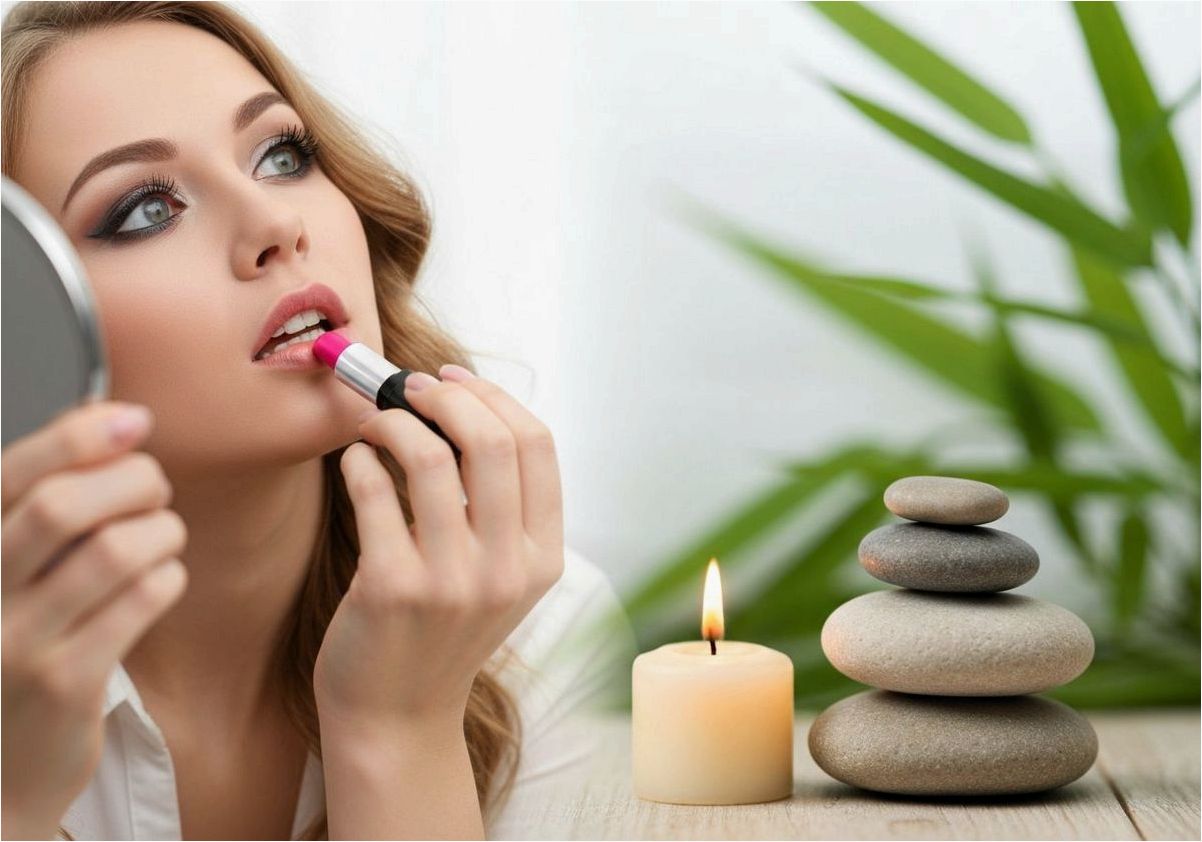
The concept of “self-care” is gradually gaining popularity. And this is quite understandable—the modern pace of life, with its constant stress and heavy demands, requires effective methods for improving well-being, boosting self-confidence, and restoring physical and emotional resources.
Article Contents:
however, approaches to self-care can differ significantly between men and women, due to both social expectations and physiological differences. Women are more likely to focus on the emotional aspect of self-care, including meditation, journaling, participating in a support group, or practicing yoga. These methods help manage internal stress and build emotional resilience.
Men, on the other hand, often choose more active forms of self-care: regular exercise, spending time outdoors, improving sleep quality, and maintaining a balanced diet. For them, it is important to see concrete results, whether it be increased physical endurance or improved overall well-being.
It is important to remember that, regardless of gender, self-care should be comprehensive and include both physical and emotional aspects. Setting aside time for rest on a regular basis, getting healthy sleep, eating a balanced diet, and learning to manage stress are universal components of effective self-care that contribute to long-term health and well-being.
Seven Key Aspects of Self-Care
The term “self-care” has over 130 official definitions, which makes it difficult to understand. To better understand this, the International Self-Care Foundation, whose primary goal is to promote self-care practices, has developed a simple guide titled “The Seven Pillars of Self-Care” to help navigate this topic.
- Health literacy. The ability to find reliable medical sources, as well as the skill to read and correctly interpret information, forms the foundation for accurately assessing your condition and determining situations in which you can manage your own care.
- Self-monitoring. Paying constant attention to your emotional and physical health, monitoring key indicators (blood sugar, hemoglobin, cholesterol, blood pressure, and others), and undergoing regular preventive checkups.
- Physical activity. Regular moderate physical exercise it doesn’t have to be intense sports—walking, taking the stairs instead of the elevator, dancing, or morning exercises—the main thing is to make movement a part of your daily routine.
- Healthy eating. Following a personalized diet plan, monitoring calorie intake, and creating a balanced menu that is both beneficial and enjoyable.
- Risk minimization. Preventing serious diseases by avoiding harmful habits: smoking, excessive alcohol consumption. It is also important to use sunscreen and get vaccinated on time to protect the body.
- Hygiene standards. Regular hand washing, proper oral care, and safe food preparation—simple but essential rules, especially in today’s world.
- Informed treatment. A careful and responsible approach to self-care: strict adherence to doctors’ instructions, monitoring levels of vitamins and minerals, treating chronic conditions, and the proper use of medications.
Men and Women: Differences in Approaches to Maintaining Health
People for whom self-care has become a regular practice strive to incorporate all seven principles of “self-care.” That said, some of these principles are traditionally associated with a masculine approach, while others are associated with a feminine one.
Men generally find it easier to master practices of mindfulness, self-observation, and maintaining physical activity. They tend to clearly define goals and pursue them purposefully, and are also capable of accurately assessing their own well-being. At the same time, they often struggle with the latter aspect, which involves taking regular medical checkups and preventive care—men often neglect these measures in the absence of obvious symptoms.
Women, on the other hand, pay closer attention to healthy eating, hygiene, and sensible self-care. This is largely because mothers, as they raise their children, improve their health literacy and apply this knowledge not only to their children but to the entire family. Unfortunately, while caring for their loved ones, women sometimes forget about their own well-being, especially when it comes to emotional health. Because of this, they are more likely to suffer from chronic fatigue and burnout, often only noticing the problems when they begin to negatively affect their physical health. In this context, the rule “put on your own mask first, then your child’s” takes on new meaning and increasingly reminds us of the importance of taking care of ourselves without neglecting our loved ones.
It is interesting to note that the modern pharmaceutical industry actively supports patients by helping them better understand their conditions and manage their health. The publication of specialized journals and the creation of major online information resources—which explain in simple terms the causes of diseases, symptoms, effective methods of prevention and treatment, as well as the latest scientific research—fosters a sense of support and cultivates a positive attitude toward recovery—and this, as we know, plays a key role in successful treatment.