Water Massage
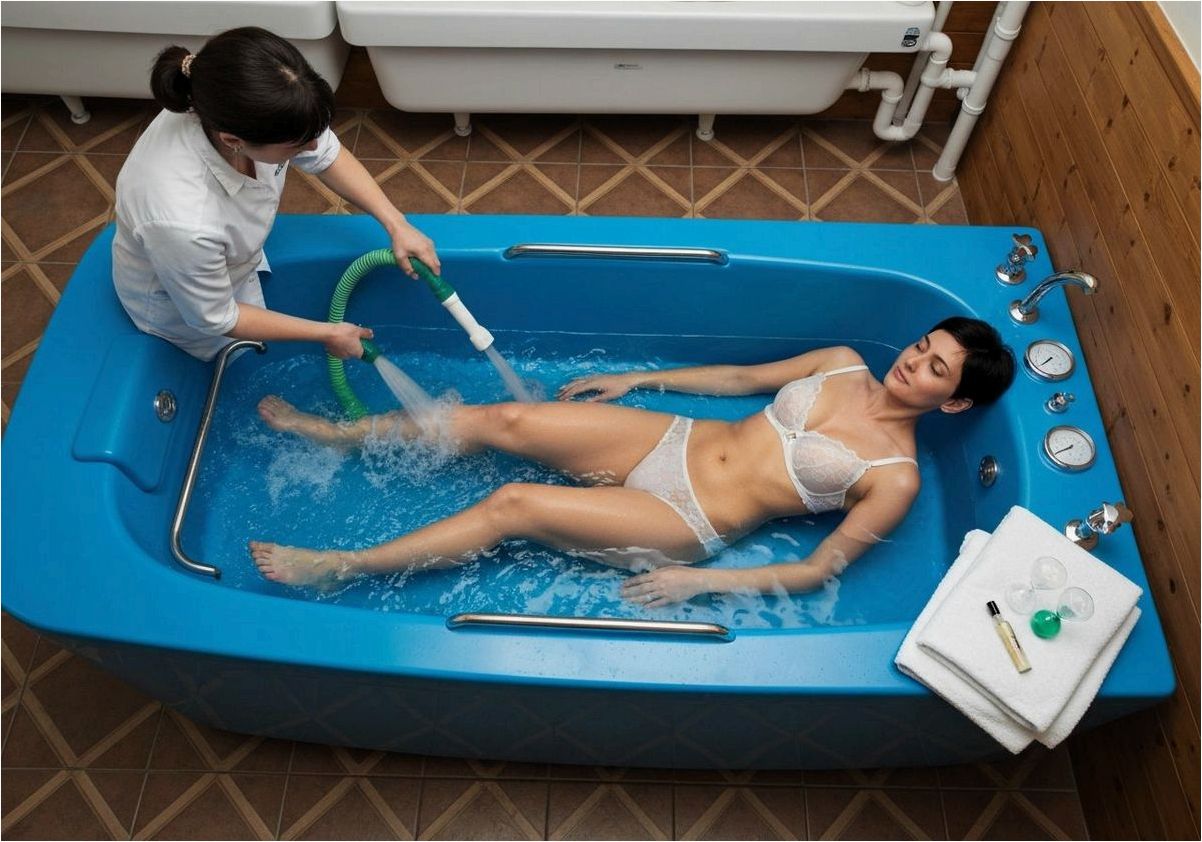
In the early 1980s, American Harold Dull wondered: what if he adapted the Zen-Shiatsu technique for use in water? He had studied this massage and relaxation technique under the guidance of its founder, Shizuto Masunaga, and decided to name his aquatic version after its Japanese “big sister”—“water shiatsu,” or watsu for short. Initially, this unique form of exercise was practiced only in medical and rehabilitation facilities, psychotherapy clinics, and schools for expectant mothers, but relatively recently it began to appear in fitness centers. Until now, our fellow citizens could experience watsu, wotsu, and watsu mainly at foreign spa resorts. Only very recently have professionals who have mastered the Watsu technique begun to appear in Russia.
Union of Hearts
Everyone who has experienced a Watsu session at least once claims to have felt as if they had been reborn. In warm water, even if it’s just a bathtub, relaxation comes naturally. And what if you add gentle movements—rocking, twisting, stretching, and massage of pressure points on the body? Watsu is called deep water relaxation therapy, but this definition hardly conveys the full depth of the experience.
On the surface, it all seems simple: you put on a swimsuit, have a brief chat with the instructor, and then you both get into the pool. The instructor gently supports your body and smoothly moves it from side to side. You lie on your back—your head submerged in the water, with only your face above the surface—and you can neither see nor hear anything.
In this position, the client’s and the instructor’s hearts are at the same level, symbolizing the main principle of Watsu: “Hearts beating in unison.”
According to Castaneda
In a state of deepest relaxation, what esotericists, including Carlos Castaneda, call the cessation of inner dialogue occurs. What remains when the ceaseless stream of thoughts subsides? Only the soul. Along with this comes a sense of security, confidence, strength, comfort, and complete inner understanding.
The philosophy of Watsu is based on Eastern practices that have long established a strong connection between the mind and the body. Stress and fear cause muscle pain, and physical trauma can lead to psychological complexes. By working to relax the muscles, we unwittingly heal our soul—which is why the therapeutic effect of Watsu is often considered more important than its physical aspects.
Nevertheless, the benefits for the body cannot be overstated. Watsu helps relieve chronic, post-traumatic, and post-surgical pain, promotes weight loss of 1–5 kg depending on body type, and relieves muscle spasms. Flexibility and endurance are improved. Digestion normalizes, blood circulation improves, sleep is restored, and chronic fatigue syndrome becomes a thing of the past.
Additional benefits
In addition to the effects listed above, regular Watsu sessions improve lymphatic drainage, which helps accelerate the elimination of toxins from the body. Thanks to gentle stretching and muscle massage, tissue regeneration processes are activated, which is particularly beneficial during recovery from injuries or surgeries. Additionally, the aquatic environment reduces stress on the joints, making the practice safe even for people who are overweight or have arthritis.
Practitioners also note a positive impact on mental and emotional well-being—reduced anxiety, improved mood, and increased overall vitality. Synchronizing breathing and movement in the water restores the body’s natural rhythm.
A rare specialty
Watsu is taught exclusively in the West, and only one organization—WABA, based in Northern California—accredits practitioners. To be certified to practice, you must complete five stages of training. In addition, you must regularly renew your certification by participating in master classes and seminars. Restrictions for Watsu Sessions These points are not contraindications to the practice, but it is important for the instructor to know the following if you:
- Have a cold or an infectious disease;
- Have cardiovascular issues or high blood pressure;
- Have pulmonary insufficiency or Charcot’s disease;
- Have diabetes;
- Have epilepsy;
- Have an allergic reaction to pool water;
- Have recently undergone radiation therapy or a course of steroid treatment;
- Have kidney disease;
- Have reduced sensation in your limbs, especially your legs;
- Suffer from spider veins, varicose veins, or venous thrombosis;
- Have osteoporosis;
- Have recently sustained an injury.
Recommendations before the session
Before attending a Watsu session, it is recommended that you avoid heavy meals for 1–2 hours prior to the session and refrain from drinking alcohol. You must inform the instructor of any chronic medical conditions and medications you are taking. For maximum benefit, it is important to arrive in a state of mental calm—avoid stressful situations before the session.
For the First Time — At Home
If you want to understand what a Watsu session is like, try this experiment:
- Fill the bathtub with warm water. Lie on your back, close your eyes, and submerge yourself so that the water covers your chest and stomach and reaches your temples. Recall the brightest, happiest moments of your life: your first love, your baby’s first steps, a joyful birthday.
- Begin to relax your body in sections, releasing muscle tension. Check whether your shoulders are tense, your neck is stiff, and whether your facial muscles and lower back are relaxed. Try to achieve a state of harmonious relaxation.
- Let your arms hang down alongside your body and notice how the water lifts your hands and forearms to the surface. Observe your breathing—it should be even and calm, as if you were about to fall asleep.
- Gently rotate your wrists in small circles, as if conducting an invisible orchestra. Feel your fingers and wrists become relaxed, elongated, and as if they are growing in size. Repeat these movements with your feet, neck, forearms, and calves. Your body fills with lightness, mobility, and flexibility, while your mind is freed from unnecessary worries and stress.
Post-session tips
After a Watsu session, it is recommended to exit the water slowly and carefully, avoiding sudden movements. It is helpful to take time for quiet rest and drink enough water to restore the body’s water balance many people note that they feel slightly drowsy immediately after the session—this is a normal reaction of the body to deep relaxation. Regular sessions increase the effectiveness of the therapy and contribute to long-term improvement in physical and emotional well-being.