Fitness just for you
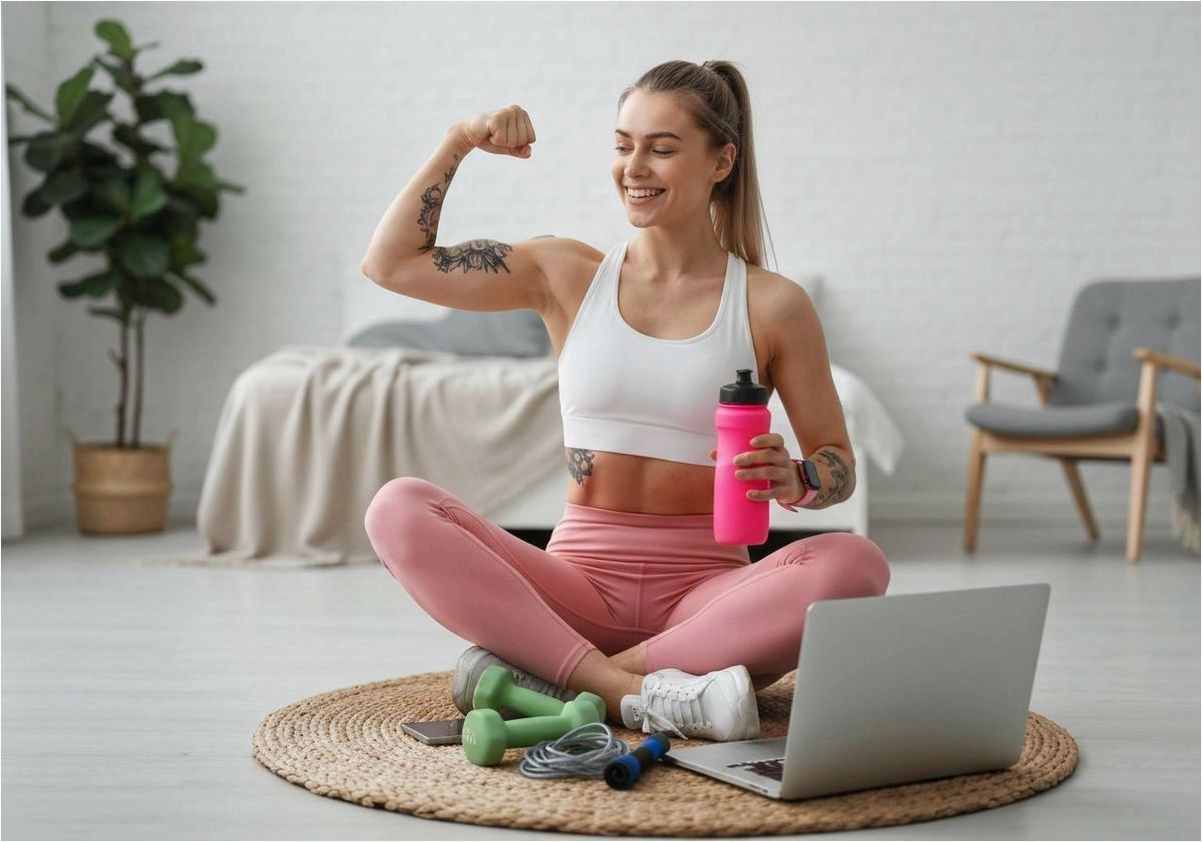
To create a harmonious and attractive figure, not only the correct weight is important, but also body proportions. How to choose the right sport? Let’s look at how different physical training affects body contours and muscle development.
Contents of the article:
the beauty of forms, first of all, lies in the balanced proportions of the body. What sport will help you quickly lose weight and stay in great shape? Many women ask this question. However, it is important to remember that the type of load must be selected individually, regardless of what the famous models or other girls with a great figure.
So what should you choose for weight loss?
To determine which fitness program will bring maximum benefit to you, you need to objectively assess your figure – highlight your strengths and note problem areas. The task is to preserve the positive aspects and correct the shortcomings.
Like a fish in water
Swimming effectively strengthens arm muscles , back and shoulder girdle, without overloading the spine. However, if you practice only one style, a limited range of muscles are trained, which can lead to the formation of “swimmers” with a wide back and massive shoulders. To avoid this effect, it is recommended to change your swimming style approximately every 50 meters. For example, start with the crawl, which works the muscles in the front and back of the body, then move on to the breaststroke, targeting the lateral muscles and trapezius, and then do split leg exercises (using a board) to train the muscles in the legs and buttocks. This varied approach helps create a harmonious silhouette. The butterfly style burns calories most effectively, although it is quite difficult to master, even for men.
Tip: To achieve better results, swimming should be combined with strength exercises and stretching – this will avoid muscle imbalance and improve posture.
Art of the East – nuances of choice
Fitness with elements of martial arts is becoming increasingly popular. However, if your goal is a slim waist, this sport isn’t the best choice. Regular training often changes the figure toward a masculine type: the hips become narrower, the torso broadens, and the abs and trapezius muscles become more massive and full. Furthermore, the characteristic “defensive stance” characteristic of many Eastern martial arts styles promotes slouching, which negatively impacts women’s posture and proportions.
Tip: If you want to get into martial arts, choose styles with an emphasis on flexibility and stretching, such as tai chi or wushu, which help maintain femininity and improve posture.
Everyone runs!
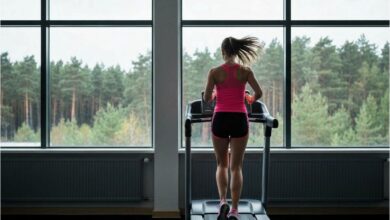
Running is the most accessible and economical way to maintain an active lifestyle. Running actively engages the muscles used in everyday movements: hamstrings, glutes, and calves. If your primary goal is weight loss, running is a great option (treadmills with calorie tracking are especially convenient). However, to achieve the perfect silhouette, focus on workouts that engage less-used muscles.
Recommendation: To avoid injury, especially for beginners, it’s important to choose the right shoes and learn proper running technique—smooth landings and even weight distribution reduce the risk of joint damage.
Movement with Rhythm
Aerobics is a sport filled with energy and dynamism. It primarily develops the muscles of the legs, abdomen, thighs, back, buttocks, and shoulder girdle. However, the lateral muscles remain underdeveloped. Therefore, aerobics classes alone cannot create smooth curves in the hips and a slim waist.
Addition: Add oblique exercises and side bends to aerobics – this will help make the waist more defined and accentuate the curves.
Let’s dance, everyone!
Dance classes improve flexibility and develop body elasticity. However, if training is too intense, muscle mass begins to grow rapidly in the waist and legs, which often causes typical problems among professional ballerinas.
Tip: To maintain a light and slim figure, combine dancing with stretching and breathing practices, such as yoga or Pilates.
Bike Marathon
Cycling effectively engages the front and back of the thighs, calf muscles, and, to a lesser extent, the glutes. However, this type of training does not promote a slim and attractive silhouette. Furthermore, at high intensities, especially with improper technique, back, knee, and ankle injuries are possible.
Recommendation: To protect your joints and spine, pay attention to proper bike posture and strengthen your core muscles—this will help distribute the load more evenly.
Round with a Racket
Tennis is a game of aristocrats. However, regular practice of this sport negatively impacts the legs. The “half-squat” position puts a lot of strain on the anterior thigh and calf muscles, and the uneven load on the right and left sides of the body often leads to imbalances and asymmetries.
Tip: To minimize imbalances, it is recommended to perform exercises to strengthen the muscles of the opposite side and stretch regularly.
On_skates_as_if
The slide is a technique based on the movements of speed skaters, where the main load falls on the buttocks and thighs. Frequent and regular training can lead to the development of a “skater’s figure” with a muscular back, thighs, and buttocks.
Tip: To avoid excess weight in your lower body, include stretching and moderate-intensity aerobic exercise in your workout plan.
Train_the_whole_body
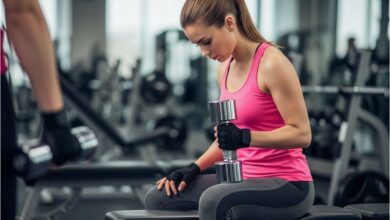
Shaping, callanetics, and aqua aerobics are fitness styles that comprehensively engage all muscle groups, helping to shape a slim and beautiful figure. Shaping is great for targeting problem areas. Aqua aerobics reduces stress on joints and the spine, and the massaging effect of the water stimulates all muscles. Callanetics engages even those muscles rarely activated during traditional workouts. The choice of appropriate exercise depends on your body type. Women with a more masculine body type are recommended to try aerobics, running, or tennis. Those with a softer, more feminine figure should consider shaping, callanetics, or swimming.
Helpful addition: Don’t forget the importance of proper nutrition and adequate rest—without these, even the most effective workouts will not yield the desired results. Combine cardio, strength training, and stretching, taking into account your individual body’s characteristics, and remember that consistency is the key to success.