How to Deal with Menstrual Cycle Irregularities During and After Vacation?
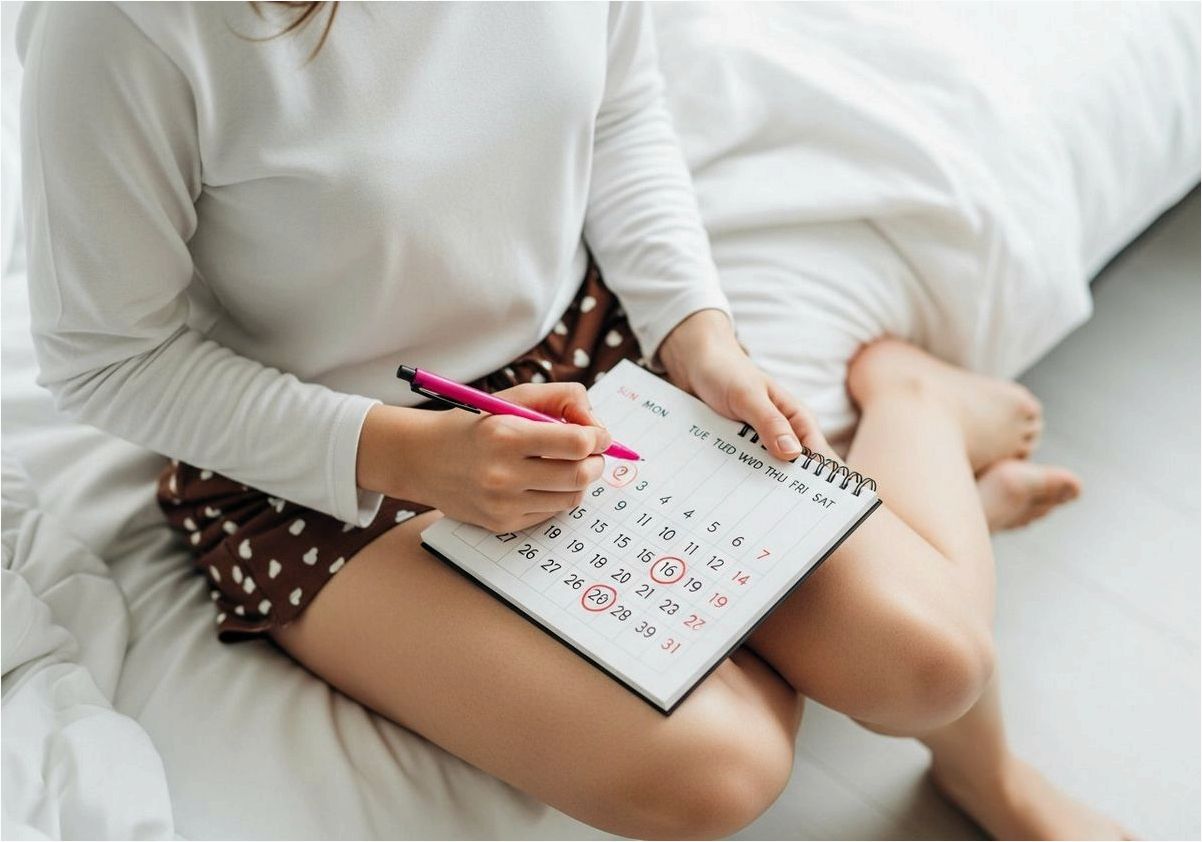
Nearly half of women vacationing in southern countries experience menstrual cycle irregularities. The main issue with staying in areas with intense sunlight is that the sun’s brightness significantly exceeds the levels to which women in Russia are accustomed. Excessive exposure to UV rays affects the functioning of all the body’s systems, causing disruptions in its basic functions.
Article contents:
Most often, concerns arise from changes in menstrual regularity, a shorter or longer cycle, or even a complete cessation of menstruation (amenorrhea), as well as bleeding between periods. Especially for those who prefer to sunbathe topless, such disruptions are accompanied by breast tenderness and swelling. Periods often become heavy and painful, accompanied by weakness, dizziness, and a decline in overall well-being, which also affects productivity. The brain contains receptors linked to sex hormones, which experts believe are the cause of changes in women’s emotional state throughout the menstrual cycle.
The Effects of the Sun
Experts attribute all these problems to intense ultraviolet radiation. Rays in the A spectrum (less intense) and, to a greater extent, in the B spectrum, due to their high penetrating power, damage not only the superficial layers but also the deeper layers of the skin—the dermis and hypodermis. This leads to redness, burns, hyperpigmentation, dilation and damage to blood vessels, and also affects cellular DNA. Excessive doses of ultraviolet radiation cause local overheating of the scalp tissues, which negatively affects the functioning of nerve cells in the hypothalamic-pituitary region. As a result, hormonal imbalances, menstrual cycle disorders, intermenstrual bleeding, and malfunctions in all hormone-dependent organs occur. For example, an imbalance in prolactin—the hormone responsible for mammary gland function and lactation—manifests as breast tenderness, swelling, discomfort during movement, and colostrum discharge.
IMPORTANT! If you experience rare, light spotting between periods, don’t worry—this is a normal reaction to excessive UV exposure. Usually, your cycle will return to normal within a month. However, if these symptoms recur, are accompanied by heavy bleeding, or cause a noticeable disruption in your cycle, be sure to see a doctor—these signs may indicate serious health issues!
Safety Guidelines
Those who enjoy sunbathing should avoid excessive sun exposure. It is important to remember: sunscreen and creams only protect the skin from harmful radiation, but they do not prevent the body from overheating. Relying solely on sunscreen means allowing prolonged exposure to UV rays and risking heatstroke or sunstroke. Moreover, using sunscreen can sometimes make you less attentive to symptoms of overheating, making it harder to recognize the danger in time.
Contraception During Vacation
During your vacation and for 2–3 months afterward, you should take extra care with contraception. If you are not planning to become pregnant, it is important to keep in mind that irregular periods make it difficult to calculate your fertile window. Oral contraceptives remain one of the most reliable methods of protection against unwanted pregnancy while on vacation. At the same time, sunlight does not reduce their effectiveness. In addition, these medications help regulate a disrupted cycle. However, problems with taking the pills often arise on vacation due to time zone changes—it is necessary to adjust the timing of your doses correctly. The effectiveness of contraceptives also decreases with gastrointestinal disorders or when taking antibiotics, which reduce stable hormone levels in the blood. For this reason, it is recommended to combine the pills with other methods—such as condoms or a contraceptive ring—which do not place an additional burden on the body. A gynecologist can help you determine the best choice of medication.
Tips for Avoiding Overheating
- When going outside on a hot, sunny day, be sure to wear a hat. Ideally, it should be slightly damp, but not completely wet—fabric that is too wet can increase evaporation and lead to overheating.
- Apply sunscreen to exposed areas of your body and try to stay in the shade as much as possible.
- Pay special attention to protecting your breasts from direct sunlight—tanning in this area is not beneficial and can cause redness, soreness, and increase the risk of developing cancer. If you must sunbathe topless, choose a “safe” time to do so—before 11 a.m. or after 5 p.m.
How to maintain cycle harmony during and after rest?
- Give yourself time to rest! Excessive physical and emotional stress can provoke disturbances.
- Tune yourself to a positive mood! According to statistics, over 80% of unpleasant sensations during menstruation are associated with a negative perception of processes in the body.
- Balance your diet. Limit fatty foods, especially animal fats, which can disrupt hormonal balance between progesterone and estrogen. A few days before menstruation, focus on vegetables, bran, and whole-grain rice. Include meat, liver, buckwheat, avocado, olives, beans, and corn in your diet to help replenish protein and iron deficiencies.
- Cleanse your intestines regularly. The uterus enlarges during menstruation and puts pressure on adjacent organs, so timely bowel movements will help reduce discomfort.
- Resume physical activity. Light, static exercises such as yoga, Pilates, walking, or jogging are recommended. It’s best to postpone strenuous strength training until the bleeding has stopped. Avoid abdominal exercises, especially the lower abdominal area—they increase bleeding and can lead to iron deficiency and even iron deficiency anemia.
- Relieve pain! A heating pad or a plastic bottle filled with warm water applied to the lower abdomen effectively relieves cramps. – Herbal teas with a diuretic effect are helpful during menstruation. Infusions of horsetail or bearberry can help relieve heaviness. To relieve irritation, take valerian tincture before bed. For pain, use a decoction of valerian root, mint leaves, and chamomile flowers in a 1:1:2 ratio. Pour 1 cup of boiling water over the mixture, let it steep for 30 minutes, and drink 2 tablespoons three times daily after meals. For quick relief, take No-Spa—2 ml per ampoule. Don’t be surprised by the rapid effect: the oral mucosa is very densely vascular, allowing the medication to act almost instantly. Indomethacin, Brufen, Movalis (a modern NSAID that is gentle on the stomach and suitable for long-term use), or combination medications such as Spazgan, Baralgin, Sedalgin, and Tempalgin are also suitable. For severe pain, tablets should be started 2-3 days before the onset of menstruation, but only after consulting a gynecologist. Vitamin E also helps – 300 mg daily during the first days of the cycle.
- Sexual activity is encouraged! Orgasm promotes relaxation and relief.
According to social surveys, 92% of Russians go to the seaside to “bask in the sun” and “sunbathe.” However, only 64% are interested in nature, sightseeing, the sea, spa treatment, or other ways to recuperate after intense mental and nervous work.