How to slow down premature skin aging?
g?
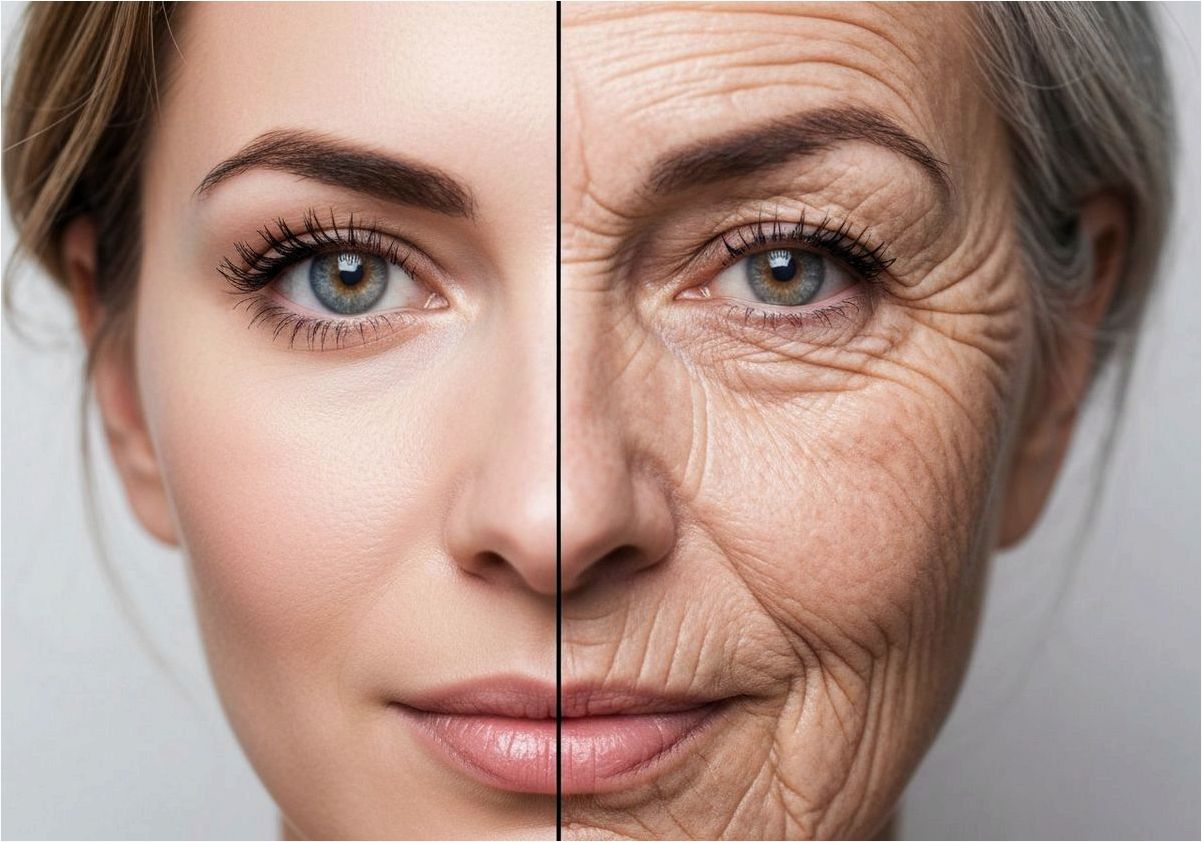
For many centuries, scientists have been trying to find the “elixir of eternal youth” that can stop the process of skin aging. Although the ideal remedy has not yet been created, experts in the field of cosmetology and plastic surgery are confident that it is possible to significantly reduce the manifestations of age-related changes. Plastic surgeon Alexander Vdovin shares tips on what procedures and cosmetic products should be included in your care, as well as how to change your lifestyle to maintain youthful skin.
Contents of the article:
first of all, regular skin protection from ultraviolet radiation is important. Using sunscreens with an SPF of at least 30 helps prevent damage to collagen and elastin, keeping your skin firm and smooth for longer.
Another key point is proper hydration. With age, the skin loses its ability to retain moisture, so it is recommended to use moisturizing serums and creams with hyaluronic acid, peptides and antioxidants.
Modern cosmetic procedures such as microdermabrasion, chemical peels and laser therapy promote cell renewal and stimulate collagen production. In addition, Botox and filler injections will help correct expression lines and restore facial volume.
Don’t forget about a healthy lifestyle. A balanced diet rich in vitamins A, C and E, regular physical activity and giving up bad habits all have a significant impact on skin condition normalizing sleep and reducing stress levels also contribute to its recovery and slow down the aging process.
Finally, it is recommended to regularly consult a dermatologist or cosmetologist to select an individual care program, taking into account the characteristics of the skin and age-related changes.
Ongoing care at home
Many people mistakenly believe that it is enough to contact a plastic surgeon when the first signs of aging appear, and then the face will immediately be transformed for decades. Technologies in plastic surgery have really stepped forward and make it possible to achieve the most natural rejuvenation without injury to the body. However, the best prevention of early wilting is daily care at home. You should not completely rely only on specialists – regular adherence to basic beauty rituals can prevent many age-related changes.
The most important stages of care are cleansing, moisturizing and nourishing the skin. It is especially important to select products designed for ages 40+ or 50+, because they take into account the characteristics of aging skin. Anti-aging creams and serums not only nourish and moisturize, but also stimulate the synthesis of collagen and elastin, improve blood circulation and lymph flow. Effective ingredients for aging skin include retinoids, peptides, hyaluronic acid, vitamins C and E, and ceramides. Be sure to pay attention to their presence in the composition of the selected cosmetics.
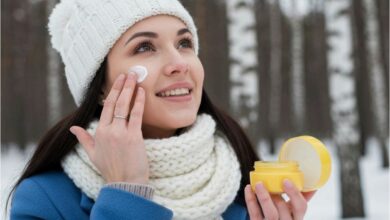
In addition to basic care, it is recommended to include protection from ultraviolet radiation in your daily ritual – the use of day creams with SPF filters prevents photoaging and the appearance of age spots. Don’t forget about regular soft peeling 1-2 times a week – it promotes cell renewal and improves the penetration of active components.
In addition, pay attention to your lifestyle: getting enough sleep, a balanced diet, quitting smoking and moderate exercise significantly affect the condition of your skin. Also useful facial massage and procedures using cosmetic devices at home, for example, gua sha or rollers made from natural stones, which stimulate lymphatic drainage and improve skin tone.
Thus, systematic and thoughtful care at home, combined with the right lifestyle, will help preserve the youth and beauty of the skin for a long time, postponing the need for specialist intervention.
Professional treatments in the salon
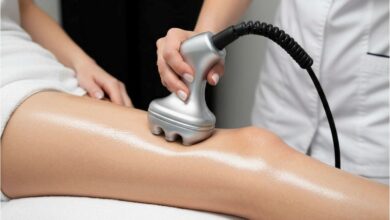
To enhance the effectiveness of home care, it’s recommended to regularly visit a cosmetologist and undergo in-salon treatments. These include peels, which are best left to specialists, as well as new-generation hardware technologies. Today, many procedures successfully replace surgical interventions. For example, Fractora RF needle lifting, Ultherapy ultrasound therapy, and Thermage radiofrequency lifting are popular and highly effective. These methods, performed approximately once every year to year and a half, are considered a worthy alternative to plastic surgery and provide noticeable skin rejuvenation.
Also worth considering are injectable treatments, which not only smooth out wrinkles and tighten facial contours but also improve skin quality. Biorevitalization—the injection of hyaluronic acid-based products into the deep layers of the dermis—activates the natural synthesis of hyaluronic acid and collagen. Mesotherapy—injections of vitamin and mineral cocktails with antioxidants, amino acids, and peptides—helps reduce fine lines, remove pigmentation, and improve the overall condition of the skin. Plasma therapy stimulates tissue regeneration, improving tone and leaving the complexion looking fresh.
Reliable protection from sun rays
Experts never tire of repeating: avoid prolonged exposure to direct sunlight without using SPF. However, many people ignore this rule. Sun exposure inhibits the production of collagen and elastin, leading to loss of firmness and sagging skin. Therefore, be sure to apply sunscreens and lotions daily, even in urban areas and on cloudy days. The modern approach to tanning suggests avoiding prolonged exposure to the sun—the practice of “sunbathing all day for an even skin tone” is long outdated and carries the risk of photoaging. Unfortunately, many resorts still see people ignoring this important point.
Healthy daily routine
A consistent sleep and wakefulness routine has a positive effect on the condition of the skin. Going to bed and waking up at the same time every day is a healthy habit that promotes rejuvenation. For full recovery, the body needs at least 6-7 hours of sleep. Sleeping on your back is especially important—this method has long been followed by geishas. This position minimizes the appearance of wrinkles, folds, and puffiness on the face. Sleeping face-down or on your side promotes creases and worsens skin condition. Controlling your sleeping position may be difficult at first, but if you start sleeping on your back, over time your body will adapt and maintain this position.