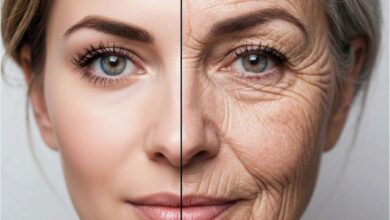
Vitamins that help improve skin condition
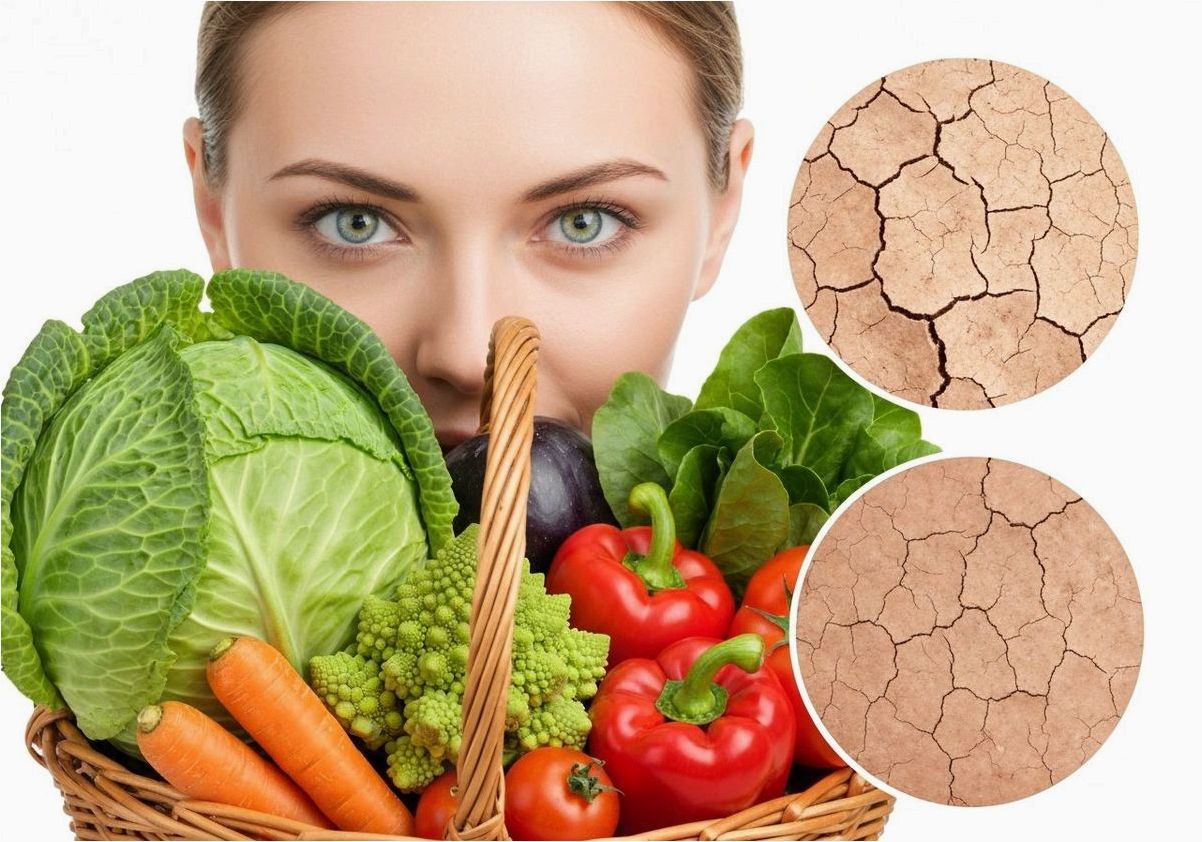
True beauty starts from within, so proper nutrition and a balanced diet with essential vitamins and microelements will help significantly improve the appearance of your skin. Some vitamins play a particularly important role in this!
Contents of the article:
manufacturers of cosmetics and dietary supplements often claim that their product with vitamins will cope with acne, eliminate dryness and smooth out wrinkles, making a real “overcome” to the skin. over skin problems. However, vitamins are not magic components, but natural substances, without which the body cannot function properly. That is why the surest way to take care of your skin is to provide your body with enough essential nutrients. Monitoring your vitamin and mineral intake becomes difficult if you frequently change your diet, dramatically reducing calories, eliminating carbohydrates or fats. In such situations, supplements play a significant role in helping to achieve the recommended daily allowances. Which vitamins are especially important for the skin in the off-season with cold winds and temperature changes? More details below.
Vitamin A
Vitamin A is represented by various derivatives – retinol, tretinoin, isotretinoin and other retinoids. The therapeutic effect of retinoic acid on photoaging was first confirmed back in the 1980s. More recent studies have shown that vitamin A protects collagen from destruction by ultraviolet radiation and, due to its antioxidant properties, helps prevent sunburn. A 2015 study published in the Journal of Cosmetic Dermatology found that retinol and retinoic acid promoted skin thickening within 4 weeks of use. Retinoids also stimulate collagen production: after 12 weeks, participants noted a decrease in wrinkles.
Another important effect of retinoids is the acceleration of cellular turnover, which helps remove dead cells and improve the structure and evenness of the skin.
- The main natural sources of vitamin A: sweet potatoes, dark leafy vegetables, carrots, eggs.
- Average daily requirement: 900 mcg (equivalent to 3000 IU).
When choosing vitamin complexes, it is important to take into account the individual needs of the body. Some vitamins are not suitable for all types of skin problems, and taking too much vitamin A, for example, can lead to dry skin.
Vitamin C
High concentrations of vitamin C are found both in the upper layer of the skin – the epidermis, and in its deep layer – the dermis. Sometimes the vitamin level reaches 64 mg per 100 grams of epidermis.
This vitamin acts as a powerful antioxidant, preventing oxidative stress caused by free radicals, thereby protecting skin cells from damage and inflammation.
Vitamin C also plays an important role in collagen production and promotes tissue regeneration, helping fight signs of aging and hydrate the skin. According to a study published in the Journal Biomedical and Biopharmaceutical Research, taking vitamin C supplements along with protein improved skin hydration compared to a placebo.
- Natural sources of vitamin C: citrus fruits, bell peppers, broccoli, cauliflower, pumpkin.
- Recommended dose per day: 1000 mcg.
B vitamins
Scientists at Herdec University (Germany) have found that B vitamins promote the formation of new healthy skin cells. The study looked at vitamins B3, B5, B6, B7, B9, B10, B12, both individually and in combination, to determine their effect on the stimulation of fibroblasts and keratinocytes. The results showed that complexes of B9 and B12, B3, B5, B6 with B10, as well as B3, B5 and B7 accelerate the healing of skin wounds by 25-30%.
Vitamin B3 (niacinamide) is effective in reducing pigmentation.
Research by Beiersdorf AG has demonstrated that folic acid, together with creatine, supports the activity of collagen genes and increases the density of collagen fibers. Survey participants reported improvement skin conditions and hair when taking vitamins with folic acid.
Vitamin B5 (pantothenic acid) fights acne and skin inflammation: a study by Manhattan Medical Research showed a significant reduction in inflammation in volunteers who took B5 for 12 weeks.
- Main sources of B vitamins: meat, eggs, seafood, nuts and seeds.
- Recommended values: B3 – 20 mg (20 NE niacin or 1200 NE tryptophan), B6 - 5 mg, B7 – 1. 4 mg, B9 – 200-400 mcg, B12 – 2-3 mcg, folic acid – 800-1000 mcg.
Vitamin D
Vitamin D promotes skin cell turnover and stimulates skin renewal, helping to cope with damage.
This vitamin is also used to reduce inflammation, which can cause skin irritations, various types of acne and eczema. A study published in the Journal of Dermatological Treatment showed the beneficial effects of a combination of vitamins D and E in the treatment of atopic dermatitis.
- Natural sources of vitamin D include salmon, swordfish, tuna, and fortified foods such as milk and cereals.
- Recommended daily dose: 600±800 IU for adults, 800±1200 IU for pregnant and lactating women.
Vitamin E
Vitamin E, like vitamin C, is a powerful antioxidant that helps slow down the aging process caused by free radicals.
A review of studies by researchers at Government Medical College (Kashmir, India) showed mixed results: some studies supported the ability of vitamin E to prevent scar formation (especially when combined with vitamin C and zinc), while others questioned this effect. Also, some studies have indicated a slowdown in skin aging when taking vitamin E, but these results require further confirmation. However, experts agree that vitamin E is important for protecting the body from free radicals.
- Natural foods that contain vitamin E include seeds, nuts, spinach, mangoes and corn.
- Recommended daily intake: 15 mg (22 IU).
Other important substances for skin health
Zinc is a trace element that plays a significant role in wound healing and reducing inflammation. Zinc helps regulate the functioning of the sebaceous glands, which is important when fighting acne. Research shows that zinc deficiency can lead to dry skin, irritation and delayed recovery.
- Natural sources of zinc: oysters, beef, pumpkin seeds, lentils.
- Recommended daily intake: 8-11 mg for adults.
Selenium is an important trace element that, together with vitamins C and E, enhances the skin’s antioxidant protection and helps reduce inflammation. Selenium has a positive effect on cell turnover and may help protect against damage caused by ultraviolet light.
- Natural sources of selenium: Brazil nuts, seafood, whole grains.
- Recommended daily intake: 55 mcg.
Omega-3 fatty acids are essential fats that keep skin hydrated, reduce inflammation, and protect against environmental damage. Eating foods high in omega-3 helps improve skin barrier function and reduce irritation.
- Natural sources of omega-3: fatty fish (salmon, mackerel), flaxseed, chia, walnuts.
- Recommended daily dose: 250-500 mg combined EPA and DHA for adults.
Recommendations for taking vitamins and nutrients
To maintain healthy skin, it is important not only to take individual vitamins, but also to eat a balanced diet that includes a variety of natural sources of essential substances. Keep in mind that an excess of some vitamins can lead to undesirable effects, so you should not self-medicate or exceed recommended doses without consulting your doctor.
Adequate hydration, protection of the skin from sun rays and regular care appropriate to the skin type and its needs are also important.