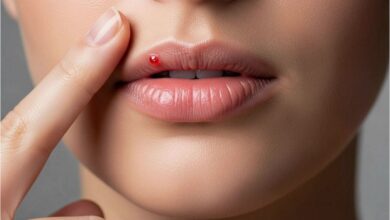
Rare oral diseases you might not know about
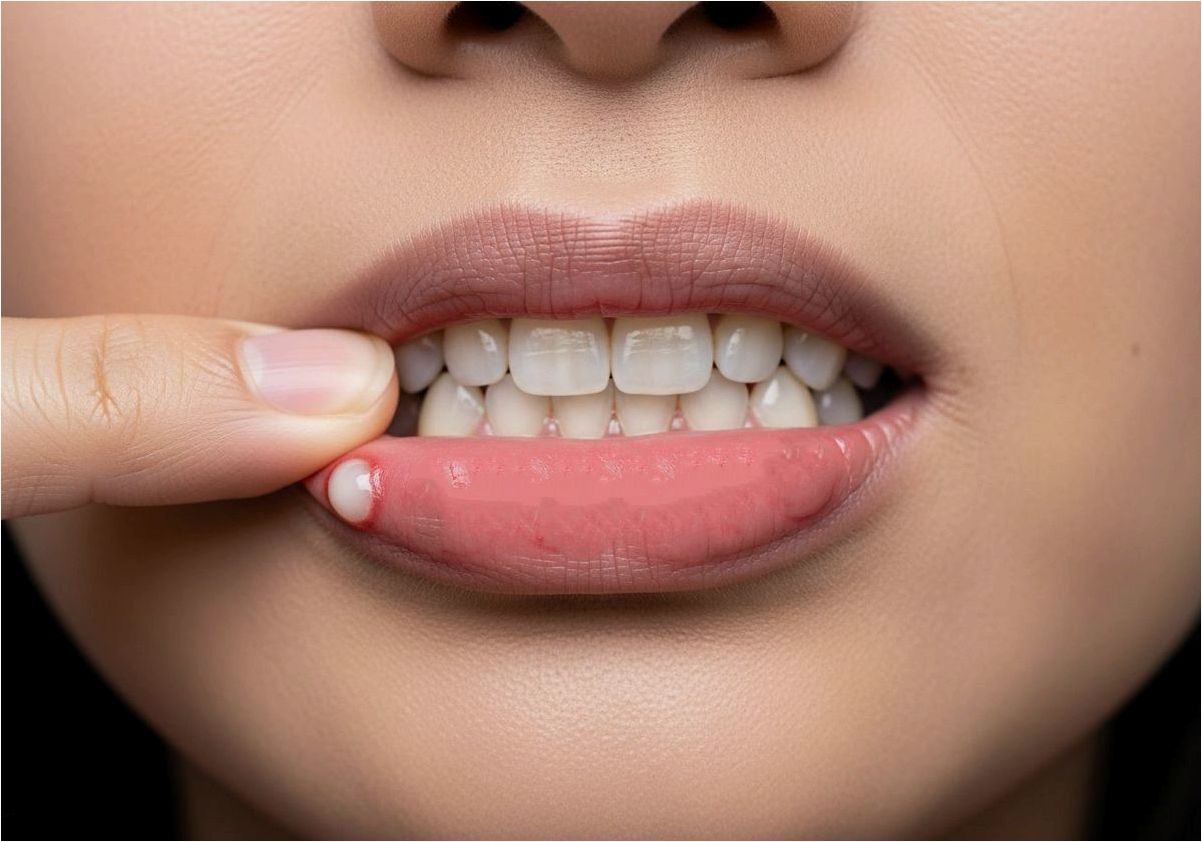
Most patients go to the dentist only when acute pain or other severe symptoms appear. However, there are many pathologies that develop latently, practically without manifesting themselves. Remember these diseases – often only a specialist can detect them after a thorough examination.
Contents of the article:
Periodontitis
In its chronic form, periodontitis can be asymptomatic and can only be detected by X-ray examination. This is an inflammation of the periodontal tissue surrounding the root of the tooth. The main reason for the development of this disease is infection through the root canal of the tooth, which often occurs with advanced caries or untreated pulpitis. In addition, inflammation can occur after poor endodontic treatment or injury. Diagnosis and treatment of periodontitis is possible only by contacting a specialist. Postponing a visit to the dentist is dangerous, as the inflammatory process can spread beyond the tooth root, causing complications.
It is important to remember that undiagnosed and untreated periodontitis can lead to the development of dental cysts, osteomyelitis of the jaw, or even an abscess, which significantly complicates therapy and increases the risk of tooth loss. Modern treatment methods include both conservative procedures (antibiotic therapy and thorough root canal cleaning) and surgical interventions when necessary.
Contact caries
Another hidden problem is contact caries – it develops in the interdental spaces. Due to localization, it can be difficult to detect it yourself. The main factors for the occurrence of contact caries are food debris stuck between the teeth and insufficient oral hygiene. The presence of this pathology can be judged if, when using dental floss, the thread constantly unravels.
With contact caries, two adjacent teeth are affected at once, and the affected areas are often quite deep, despite the small external focus. This significantly complicates and increases the cost of the treatment process. Even if visually the enamel seems intact, the disease can manifest itself as sharp pain or unpleasant sensations.
To prevent contact caries, it is recommended to use irrigators and interdental brushes, which help effectively remove food debris and prevent the development of pathology. Regular dental checkups also help detect hidden lesions in the early stages.
Secondary caries
Secondary or recurrent caries develops under a filling and is often asymptomatic. The patient may only notice the problem when the restoration begins to adhere poorly to the tooth. Computed tomography is often used for accurate diagnosis. Secondary caries is caused by poor treatment of the primary pathology: incomplete removal of diseased tissue, poor preparation of the tooth surface before filling, and inadequate antiseptic treatment, which facilitates bacterial penetration. The filling may also shrink due to poor-quality material. Harmful factors aggravate the situation, including poor hygiene, bruxism (involuntary teeth grinding), malocclusion, and excessive stress on the restored tooth. To prevent secondary caries, dentists recommend maintaining meticulous oral hygiene, avoiding excessive pressure on fillings, and regularly undergoing professional teeth cleaning. If you suspect secondary caries, it’s important to consult a dentist promptly, as advanced secondary caries can lead to tooth loss or the need for more complex treatment, such as endodontic surgery.
Wedge-Shaped Defect
Wedge-shaped defect
A wedge-shaped defect can be caused by poor hygiene, gum inflammation or endocrine diseases, so it is extremely important to identify the root cause. Patients with crowns should be aware that crown mobility, gum bleeding, discoloration, or an unpleasant odor when using a irrigator are serious warning signs to visit the dentist, even if the appearance appears normal. In the presence of implants, suspicious signs include exposed edges of the implant, bleeding and slight swelling of the gums. It is important for owners of veneers and lumineers to monitor the absence of changes in the shade of dental tissue around the restorations – this may indicate a violation of the tightness. Only a qualified doctor will carry out an accurate diagnosis.
In addition to the above reasons, a wedge-shaped defect is often associated with excessive mechanical stress – aggressive brushing of teeth with a hard brush or the use of products with abrasive components. There is also a connection between this pathology and parafunctions
masticatory muscles such as bruxism. To prevent the progression of the defect, it is necessary to use soft brushes, choose the right toothpaste, and, if necessary, special mouth guards for protection teeth at night. If a wedge-shaped defect is detected, modern dentistry offers the use of remineralizing agents, gel preparations and filling defects with biocompatible materials that restore tooth structure and reduce sensitivity modern methods of diagnosis and treatment
Modern methods of diagnosis and treatment
Molecular tests enhance differential diagnosis. Enzyme-linked immunosorbent assay (ELISA) and PCR can detect specific viral and bacterial markers, which is especially important for rare infectious diseases. Genetic testing identifies hereditary mutations, speeding up the selection of individual therapy.
Laser technologies and photodynamic therapy are widely used in treatment. Lasers effectively remove pathological lesions with minimal damage to healthy tissue and accelerate recovery. Photodynamic therapy induces the death of pathogenic cells through the action of light-sensitive agents and is ideal for lesions with a high risk of malignant transformation.
Immunomodulatory drugs and biological agents are used for autoimmune and inflammatory diseases of the oral cavity. They inhibit pathological processes and reduce the frequency of relapses. Drug selection is based on an analysis of specific immune markers in the patient, significantly increasing treatment effectiveness.
Rehabilitation methods include phototherapy and hardware-assisted microcirculation restoration. These technologies improve mucosal regeneration and reduce pain. Modern physiotherapy devices provide localized treatment with precise control of dose and penetration depth.
Rare oral diseases you may not know about