10 Main Causes of Morning Headaches

Headaches, which occur at any time of day and under various circumstances, can be extremely annoying and disruptive to your daily routine. But experiencing headache discomfort in the morning is especially distressing. Find out why you often wake up with pain in the back of your head or temples and how to cope with this condition.
Article Contents:
there are many causes of headaches upon waking, ranging from nighttime teeth grinding to allergic reactions. However, the good news is that getting rid of these unpleasant symptoms is possible: identifying the source of the problem and addressing it is the key to relieving your condition.
Types of Morning Headaches
Experts identify several common types of headaches that bother people in the morning.
- Tension headache. According to the U. S. National Library of Medicine, this is the most common type of headache. When it occurs, the head feels like it’s being squeezed, like a tight band around it. It occurs due to muscle tension in the head and neck.
- Sinus headache. Pain is localized in the eyebrows or cheekbones. “The cause is usually inflammation or infection in the sinuses,” says Katherine Boling, MD, a primary care physician at Baltimore’s Mercy Medical Center.
- Migraine: This is intense pain on one side of the head, accompanied by nausea and visual disturbances.
- Cluster headache: Typically centered in one eye or temple. The Mayo Clinic notes that these headaches occur in “cluster cycles” that can last from several weeks to months at a time.
Main Causes of Morning Headaches
“If morning headaches have become a regular occurrence, it’s important to seek medical attention,” advises Amanda Dilger, an otolaryngologist at Mass Eye and Ear. “Only a doctor can rule out serious and rare problems, such as a brain tumor.” But before visiting a specialist, it’s worth trying to independently identify factors contributing to the discomfort.
Sleep Disorders
Whether it’s temporary trouble falling asleep or chronic insomnia—a condition that involves persistent difficulty falling asleep and staying asleep more than three nights a week for at least three months (according to the National Heart, Lung, and Blood Institute)—all of these can cause morning headaches.
“Poor sleep is a common cause of headaches,” says neurologist W. Christopher Winter, author of The Sleep Solution: Why Your Sleep Is Broken and How To Fix It.
To understand whether morning pain is associated with a lack of rest, it is worth analyzing the circumstances of its occurrence. “If headaches occur primarily after anxious nights, then the connection is obvious,” says Winter.
Next, it is important to identify provoking factors – be it stress due to work, an upcoming exam, or the habit of scrolling through social media feeds until late. Since there are many causes of sleep disorders, finding the true source will help you choose the right treatment. Establishing a healthy routine and rest routine promotes relaxation and reduces the incidence of morning pain. If you can’t cope with insomnia on your own, you should consult a doctor, otherwise the problem may worsen.
If you wake up with a painful headache, taking a short nap during the day can help ease the discomfort.
Obstructive Sleep Apnea
Sleep apnea is a condition in which the airways become temporarily blocked during sleep, preventing normal oxygen flow to the brain. This can cause a variety of symptoms, including morning headaches.
“In addition to insufficient oxygen supply, the body does not get rid of carbon dioxide,” explains Winter. “Its accumulation contributes to the characteristic headache in the morning for many sleep apnea sufferers.”
Relief from these pains usually occurs about an hour after waking up, when the body gets rid of carbon dioxide. But for some, the pain can last a long time or trigger a migraine. Signs of sleep apnea include loud snoring and excess weight. The National Heart, Lung, and Blood Institute also notes that enlarged adenoids contribute to narrowing of the airways and increase the risk of developing the disease.
If you suspect apnea, you should visit a doctor who will prescribe the appropriate treatment. It may include weight loss , the use of special mouthguards (mouthpieces) that hold the tongue and jaw in the correct position to make breathing easier, or surgical widening of the airway.
Snoring
Although snoring does not always indicate the presence of apnea, it itself can cause morning headaches. This is due to a combination of impaired breathing and deteriorating sleep quality due to frequent awakenings.
If you sleep next to your partner, ask him if you snore at night. If confirmed, you should inform your doctor, who will help you choose a treatment method. “Typically, treatment for snoring is similar to treatment for sleep apnea,” adds Winter.
Circadian Rhythm Imbalance
According to the National Heart, Lung, and Blood Institute, disruptions in the internal biological rhythm – when the body’s internal clock does not coincide with external conditions – often cause sleep disturbances and, as a result, morning headaches.
Such problems arise with a shift work schedule, frequent changes in time zones or irregular rest schedules. “The good news is that the treatment is quite simple, although it can be difficult to follow,” says Winter. “The main thing is to maintain a stable sleep schedule, going to bed and getting up at the same time every day.”
Teeth Grinding
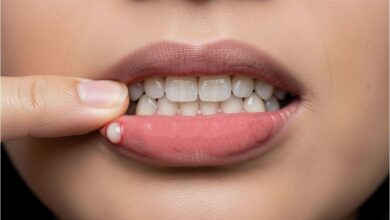
Bruxism is involuntary clenching and grinding of teeth during sleep under the influence of spasms of the masticatory muscles. “This exposure causes irritation and pain,” says Kiran F. Rajneesh, chief of neurology at The Ohio State University Wexner Medical Center. “The brain receives signals of discomfort, and this becomes the cause of a morning, usually aching and dull headache.” This condition can be accompanied by pain in the jaw area.
The causes of bruxism are varied, but one of the main ones is stress. Taking some antidepressants can also cause teeth grinding, so consultation with your doctor is important to determine safe treatment.
If stress is a major factor, try relaxation and stress-relief techniques. We understand that it is not always easy to implement, but attempts are always worthwhile.
In addition, it is recommended to use special dental mouth guards at night, which protect teeth from damage and help correct habits, reducing morning pain.
Migraine
According to the US National Institutes of Health, a migraine attack can last up to three days, so it’s not surprising if a person goes to bed and wakes up with a headache. “If you’re treating a migraine, make sure you take any medications you need before bed, whether prescribed medications or painkillers to help you manage the pain,” Rajneesh advises. And don’t forget about the recommended amount of sleep – 7-8 hours – this is also an effective remedy for migraines.
Allergic Reactions
Allergies can trigger morning headaches. “This is usually associated with nasal congestion due to allergic inflammation,” explains Amanda Dilger. “The most common allergens are dust and pet dander, which can penetrate mattresses and bedding, causing symptoms even at night.”
To understand whether headaches are associated with allergies, it is important to pay attention to the accompanying symptoms: “If a patient has allergies, he may complain of nasal congestion, runny nose, itchy and red eyes, and frequent sneezing,” says Dilger.
If you suspect your headaches are allergic, visit an allergist for testing. Treatment may include taking antihistamines (over-the-counter or prescription) and avoiding allergens. Regular dust removal and the use of special hypoallergenic bedding that protects against mites will significantly improve the situation.
Stress
“Chronic tension accumulates in the body and leads to pain,” says Boling. “Many people feel discomfort in the neck, upper back and shoulders, which ultimately causes headaches.”
If you have a sore jaw, your morning headaches may be due to bruxism, which is often associated with increased stress levels. At the same time, if the headache is not accompanied by pain in the jaw, most likely, its trigger is only stress.
To relieve tension headaches caused by stress, you can use ibuprofen, aspirin, and apply a cold compress to the head. However, to avoid the recurrence of unpleasant symptoms, it is important to learn how to effectively manage your stress.
Alcohol
Alcohol-related headaches can occur regardless of whether you’ve only had a glass of wine or several cocktails. According to Boling, “hangovers are caused by dehydration: alcohol acts as a diuretic, causing you to urinate more frequently, and many people don’t replace fluid loss with enough water.”
To stop morning headaches, it’s important to drink plenty of water, take ibuprofen, and get plenty of rest. In addition, it will be a good habit to drink a glass of clean water after each alcoholic drink in the future.
Caffeine Withdrawal
If you regularly drink caffeine in the morning and then suddenly stop, you risk waking up with a headache the next day. As Boling explains, “caffeine constricts blood vessels, and sudden changes in blood flow—for example, skipping your usual morning dose—can trigger pain.” Fortunately, all you need to do to relieve the condition is take a cup of coffee, but the effect will take about an hour. You can also use over-the-counter medications to relieve discomfort. If you are planning to reduce your caffeine intake, it is recommended to do so gradually to avoid unpleasant headaches in the morning.