A difficult question: bacteria or viruses – which is more dangerous?
s?
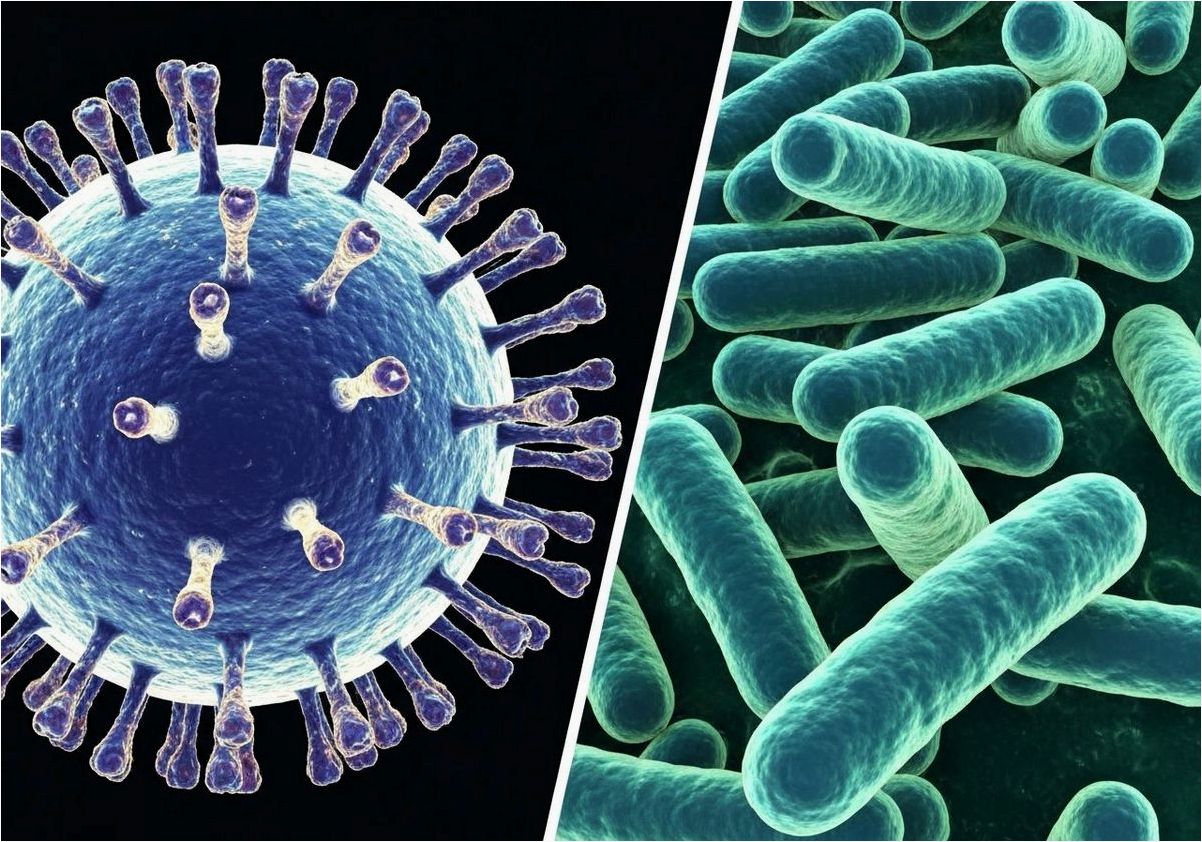
Both viruses and bacteria are known to cause a large number of infectious diseases. Moreover, this applies not only to colds and respiratory diseases, but also to various disorders of the gastrointestinal tract and gynecological diseases. In addition to them, infectious diseases can be caused by fungi, protozoa, helminths and prions. Successful treatment of each of these infections requires an individual approach. Ekaterina Gergesova, Candidate of Medical Sciences, doctor of the highest category and medical consultant of the online laboratory Lab4U explains how to distinguish a viral infection of the body from a bacterial one.
Contents of the article:
We understand the essence of the problem
From the term itself it is already clear that viral infections differ from bacterial infections in the origin of the pathogen. Depending on the type of pathogen, the immune system forms a specific response characteristic of a particular type of infection.
The state of the immune response can be judged, for example, by a blood test. With a bacterial infection, the most attention is drawn to neutrophilic leukocytosis with a shift of the leukoformula to the left, which is considered a typical marker. In turn, with an uncomplicated viral infection, lymphocytosis is often observed. However, such terms and indicators are understandable mainly to doctors; specialists rely on them to assess the patient’s condition, make a diagnosis and prescribe treatment. For an untrained person, independent understanding of the results of laboratory tests is difficult.
When talking about clinical symptoms, the situation becomes less obvious. Each type of infection or group of diseases, such as acute respiratory or intestinal viral infections, has certain symptoms. However, the set of symptoms is determined by the affected organs, and not by the nature of the pathogen. For example, with a viral and bacterial process in the gastrointestinal tract, the patient will experience dyspeptic disorders, abdominal pain, and diarrhea.
Why treating symptoms is not the answer?
It is important to identify the causative agent of the disease, and not limit ourselves to eliminating the manifestations of the disease. This is necessary for accurate diagnosis and adequate treatment. In the case of highly contagious infections, the diagnostic results may even influence the introduction of quarantine measures by the doctor.
Antibiotics are typically used for bacterial infections, antimycotics for fungal infections, and antiprotozoal drugs for infections caused by protozoa. For a number of viruses, there are special antiviral agents, and in some cases, therapy is supplemented with drugs that enhance immunity. This is especially true for chronic or recurrent viral infections, such as herpes or human papillomavirus.
The problem of bacterial drug resistance remains one of the key challenges of modern medicine. The global community is sounding the alarm: the number of effective antibiotics is decreasing, and the number of pathogens that are resistant to treatment is growing. Resistance develops when antibiotics are used incorrectly—uncontrolled, at random, or in the wrong doses. Therefore, self-medication carries serious risks: the pathogen may stop responding to antibiotics, or the patient may treat the wrong infection, which aggravates the course of the disease.
Since time is against the patient, antibiotics are often prescribed even before the results of culture for bacteriological examination are obtained. The process of identifying the pathogen and determining its sensitivity to antibiotics takes from 3 to 5 days, but treatment should be started immediately to reduce symptoms. Therapy can be adjusted later based on laboratory data. All these steps are described in detail in clinical guidelines for each category of infection.
In addition, we should not forget about the risk of developing a secondary infection – a situation when a bacterial infection joins the viral process. An example is bacterial pneumonia, which occurs against the background of a respiratory viral infection. Such cases require an integrated approach to therapy.
When contacting a doctor, it is important to report any previous viral or bacterial infections. This will help the specialist recognize situations where weakening of the immune system is accompanied by an exacerbation of old pathogenic foci. This happens when the previous treatment is incorrect or there is a chronic infection. However, you should not think that you need to take every possible test. After the examination, the doctor will only recommend those tests that are necessary to clarify the diagnosis – this can be a blood test, local smears, and urine or stool examination.
Additional aspects to consider
Differences in treatment and prevention. Viruses and bacteria differ significantly in structure and life cycle characteristics, which affects methods of combating them. While antibiotics are aimed at suppressing bacterial cells, viruses multiply inside the body’s cells, making them difficult to kill directly. Therefore, to prevent viral infections, vaccines are widely used to help build immunity before exposure to the virus. There are also vaccines for bacterial infections, but their range is much smaller, and in some cases the key role is played by the correct and timely use of antibiotics.
The role of immunity in the fight against infections. The immune system constantly interacts with many microbes, not all of which cause disease. An important factor in the severity of the infection is both the patient’s immune status and the virulence of the pathogen—the degree to which it is capable of causing disease. Some viruses, such as the human immunodeficiency virus (HIV), attack the immune system itself, leaving the body vulnerable to both bacterial and other infections.
The importance of timely diagnosis. In modern conditions, molecular diagnostic methods are increasingly being used – PCR (polymerase chain reaction), rapid tests and other technologies that make it possible to quickly and accurately determine the causative agent of infection. This is especially important in hospitals and during epidemics to avoid the spread of diseases and prescribe the correct treatment.
Assessing the danger of viruses and bacteria. It is impossible to say unequivocally which of them is more dangerous – it all depends on the type of pathogen, the patient’s health condition and treatment conditions. Some bacteria cause severe, life-threatening infections, such as anthrax, tuberculosis, or meningitis. However, viruses such as the Ebola virus, coronaviruses (including SARS-CoV-2), hepatitis or highly virulent influenza can lead to massive outbreaks and serious complications. It is important to remember that both groups of pathogens require a respectful and competent approach on the part of doctors and patients.
How the immune system fights infections
The next level is the activation of T-lymphocytes, which destroy infected cells and stimulate the production of antibodies. These antibodies attach to viruses and bacteria, blocking their interaction with the body’s cells and marking them for removal by other immune cells.
Additionally, the immune system releases signaling molecules called cytokines, which attract new immune cells to the site of infection and enhance the local response. This complex mechanism effectively neutralizes both rapidly reproducing bacteria and viruses lurking within cells.
To support immune function, it is important to ensure adequate sleep, a balanced diet with vitamins b, C, and D, as well as minimize stress and avoid hypothermia. This will improve the immune system’s response speed and increase the body’s chances of successfully suppressing the infection.