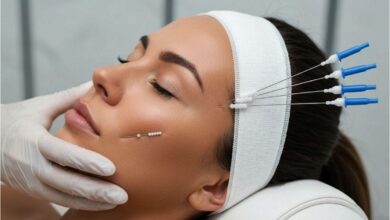
Why does skin stop responding to cream over time, and why should you update your skincare routine every six months?
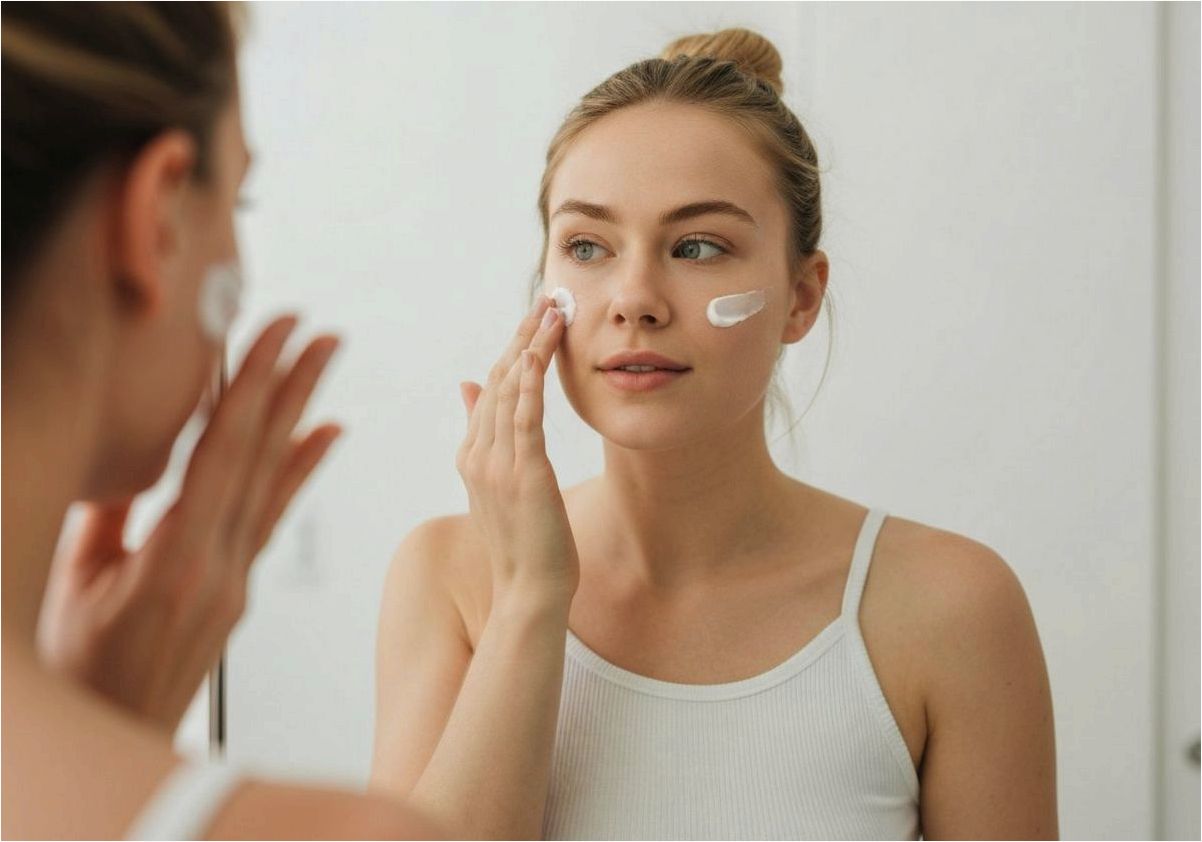
Can I use the same cream for years or should I change my skincare routine regularly? How can I determine my skin’s condition and know when it’s time to change my skincare routine? Dermatologist and cosmetologist Maya Goldobina answers these and other questions.
Article Contents:
The choice of cream depends on two main factors: your innate skin type and your current skin condition. Skin type is quite simple – there are normal, dry, oily, and combination skin types. Typically, those with oily skin prefer light textures, while those with dry skin choose thicker, more concentrated products.
However, understanding the current condition of your skin is more difficult. It’s important to monitor signs such as even skin tone, the appearance of unexpected dryness (or dehydration), premature signs of aging—wrinkles, puffiness, changes in facial shape—as well as changes in sensitivity. These signals indicate that your skincare routine needs to be adjusted by introducing additional components—moisturizing, protective, or anti-aging. If a cream fully meets your skin’s basic needs, providing nourishment and moisture, it can be used long-term. However, there are two situations in which your skin “gets used” to a product.
First, over time, your skin adapts to the active ingredients, and their effect becomes less noticeable. This doesn’t mean the cream has stopped working, but its effectiveness may no longer be sufficient to maintain optimal skin condition. Secondly, with age and under the influence of external factors (climate, stress, hormonal changes), the skin changes, its needs, and its response to conventional products change. For this reason, it is recommended to update your skincare routine approximately every 4-6 months.
Regularly changing or adjusting your skincare routine helps “reboot” the skin, saturating it with new active ingredients that stimulate cell renewal, improve its protective functions, and maintain the necessary moisture level. Professionals recommend switching creams according to the season, for example, choosing lighter textures for summer and more nourishing ones for winter, as well as incorporating serums and masks with different complexes into your routine to address current concerns.
It’s important to remember that experimenting with cosmetics on your own can lead to an adverse skin reaction. Therefore, if you have any doubts or notice new signs of discomfort, consult a dermatologist or cosmetologist who can help you choose the optimal skincare program.
Habituation caused by changing skin needs
Let’s imagine you chose a cream based on your skin type, and at first, the product worked perfectly: your skin looked better, felt pleasantly fresh, and felt comfortable throughout the day. But over time, the situation changes—you begin to feel like the cream no longer nourishes or moisturizes as well, or, conversely, it absorbs less well and begins to feel shiny on the surface. Such changes are usually associated with changes in your skin’s condition.
Let’s look at a specific patient’s case. A 35-year-old woman with dry skin was using a thick cream. Recently, she noticed that the product was absorbing less effectively and wasn’t providing the usual comfort. What happened? First, it’s important to pay attention to your skin cleansing routine—sometimes poor cream absorption indicates insufficient cell renewal in the upper layer due to improper cleansing. However, this patient’s cleansing was correct: she used a gentle foaming cleanser twice a day. This is where the cream’s composition becomes important. For dry skin, silicones are often appropriate because they protect the skin and are well-tolerated, but they don’t restore the skin barrier on their own. Therefore, the formula should contain substances such as ceramides, cholesterol, free fatty acids, phytosphingosine, and triglycerides, which help strengthen the skin’s barrier. In practice, this translates into improved absorption and a feeling of softness and health. In our case, the problem with “addiction” was precisely the composition: our usual cream contained an excess of silicones and only one component with fatty acids, which proved insufficient. After replacing the product with a more balanced composition, our skin’s condition noticeably improved.
Addiction as a psychological phenomenon
Sometimes a cream truly meets the skin’s needs, but it feels as if a tolerance has set in. This is usually due to a psychological desire for something new. How can you tell if this is the case for you? Try to objectively assess your skin’s condition: if the cream is easily absorbed, doesn’t roll off, provides a feeling of comfort, and the skin looks moisturized, healthy, and fresh, then the problem is most likely not with the cream, but with a desire for change. Such thoughts often come to women in the spring or during stressful periods of life—job changes, personal conflicts, inner struggles. This craving for new products is completely natural. However, with sensitive skin or dermatological conditions, frequent and chaotic changes in skincare products can be harmful. If the desire to buy a new product persists, a sensible option is to use a mask with a gentle formula or a moisturizing serum. In my practice, this is one of the most common pieces of advice I give my patients: this way, you get new tactile and visual sensations while satisfying the need for renewal without harming the skin.
How to Change Cosmetics Properly Without Harming Your Skin
Change cosmetics gradually, introducing new products one at a time, every 7-10 days. This will allow you to assess your skin’s reaction and avoid any negative reactions.
Before using a new product, test it on a small patch of skin, such as behind the ear, to detect any possible allergies.
When switching to a new cream or serum, combine the old and new products for the first 3-5 days, decreasing the amount of the old formula and increasing the amount of the new formula.
Pay attention to the ingredients: avoid abruptly changing the active ingredients to avoid overloading the skin’s protective barrier and causing irritation.
Maintain a consistent skincare routine and don’t skip product applications to allow your skin to adapt and receive maximum benefits without stress.
If redness or dryness occurs, temporarily return to your usual products and allow your skin to recover before switching again.