All about patches: how to choose and apply them correctly?
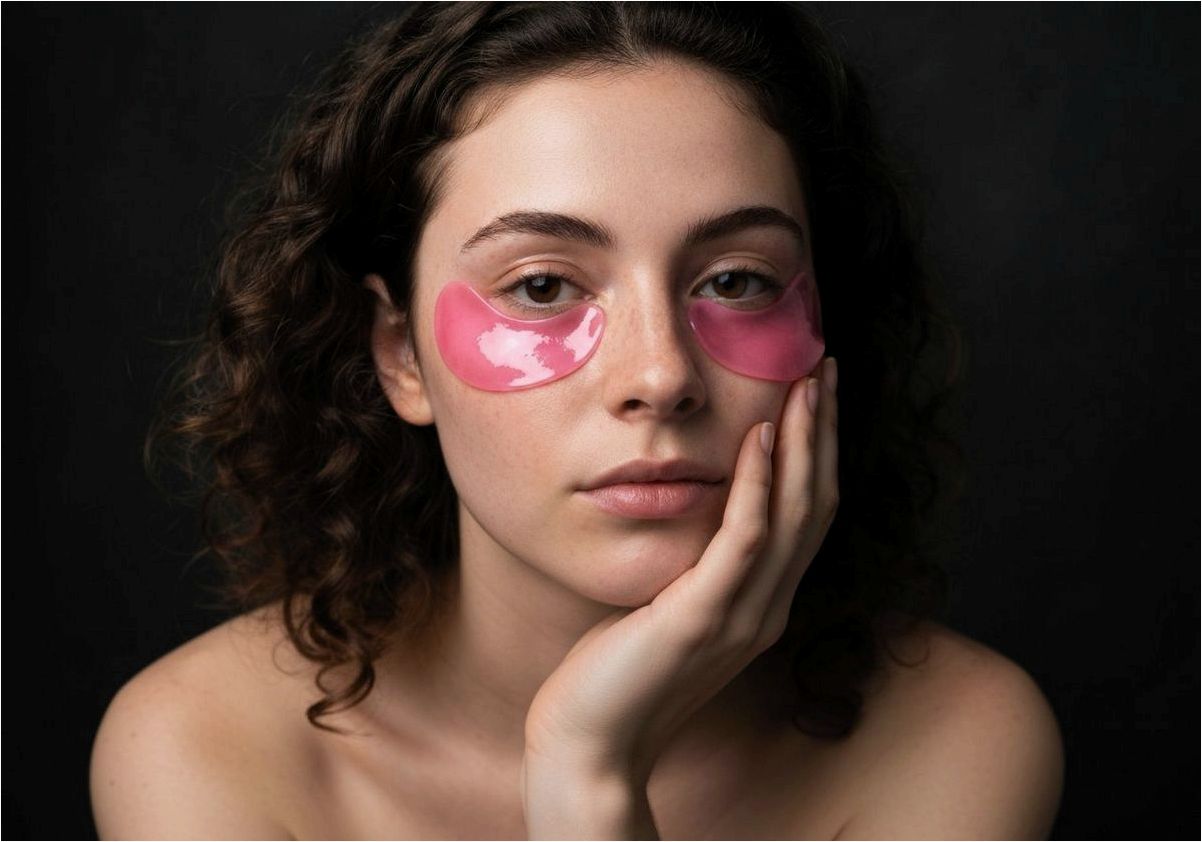
Patches have long been a popular cosmetic product. However, as with other beauty products, it’s important to know how to use them correctly. What are patches, what function do they serve, and when are they safe to use and most effective? Tatyana Kostsova, MD, PhD, dermatologist and cosmetologist, answered these and other questions.
Article Contents:
Patches are small hydrogel, fabric, or Silicone patches impregnated with active ingredients that target specific areas of the skin. Their main functions are moisturizing, reducing puffiness, reducing dark circles under the eyes, and restoring and strengthening the skin.
When choosing patches, it’s important to consider your skin type and the desired effect. Hypoallergenic patches with minimal active ingredients are suitable for sensitive and irritated skin, while aging skin should choose products with lifting and nourishing ingredients such as collagen, hyaluronic acid, and peptides.
To properly apply patches, we recommend thoroughly cleansing the skin, then gently apply the patches to the desired area (most often under the eyes). Leave on for the time specified in the instructions—usually 15 to 30 minutes. Then remove them and gently distribute the remaining essence with light patting movements until completely absorbed. Patches can be used as a course or as needed, especially during periods of fatigue or stress.
It’s important to remember that patches are a supplemental skincare product, not a substitute for proper hydration and nourishment. It’s also not recommended to use patches if you have open wounds, dermatitis, or severe allergic reactions in the area being applied. If in doubt, consult a dermatologist or cosmetologist.
Therefore, choosing and applying patches wisely will help make your skin healthier, more radiant, and younger-looking, leaving you feeling fresh and comfortable.
Patch Definition
The term “patch” translates as “patch,” which accurately captures the essence of this cosmetic product. Essentially, a patch is a small piece of fabric or synthetic material impregnated with a special solution and designed for gentle skin care around the eyes. Depending on the ingredients in the impregnation, patches can moisturize, nourish, brighten, or tighten the delicate skin in this area.
At the turn of the 2000s, this category of cosmetics rapidly gained popularity worldwide. Both major cosmetic brands and smaller manufacturers included patches in their product lines. This demand is due to the fact that the skin around the eyes has special characteristics: thin dermis, virtually devoid of fat. If applied incorrectly, cream can actually cause swelling rather than improve the skin’s condition. Cream should be applied gently with light patting motions using your fingertips to ensure even distribution. Furthermore, many eye creams are recommended to be used slightly chilled—this enhances the decongestant effect. One of the main advantages of eye patches is that they minimize mechanical irritation of the skin and are very convenient to use.
Initially, patches were sold in pairs, individually packaged, which increased their cost and limited their widespread use. Manufacturers later optimized the process and began offering patches in special containers, from which a pair of patches could be easily removed with tweezers for daily use.
Individual packaging, although more expensive—sometimes 3-5 times the cost of larger monthly containers—has the advantage of minimizing the risk of bacterial contamination of the cosmetic product, significantly increasing safety.
Today, patches are available in a variety of shapes and types, including hydrogel, biocellulose, fabric, and silicone. Hydrogel patches retain moisture well and are suitable for intensive hydration, while biocellulose patches are characterized by high density and adhesion, promoting better penetration of active ingredients. Fabric patches are considered lighter and more delicate, while silicone patches are ideal for creating a protective barrier and retaining moisture.
To achieve maximum results, it’s important to choose the right patches based on your individual skin needs, such as puffiness, dark circles, wrinkles, or dryness. Combining patches with other skincare products, such as serums and creams, and following a regular application regimen—usually 2-3 times a week—is optimal.
Furthermore, many patches contain innovative ingredients such as peptides, collagen, hyaluronic acid, plant extracts (e.g., cucumber, chamomile, green tea), and vitamin complexes that help restore and strengthen the skin.
It’s important to remember that long-term use of patches does not replace comprehensive eye care, including proper cleansing, nourishment, and UV protection. However, patches remain a convenient and effective addition to your daily beauty routine, helping to maintain youthful and healthy skin.
Types of patches and their features
- Hydrogel patches. Often made with brown algae, their structure effectively absorbs and delivers active ingredients to the skin. These patches are considered premium and demonstrate high effectiveness. They have a cooling effect, promoting deeper penetration of substances into the skin. Furthermore, hydrogel patches adhere perfectly and do not slip even when lying down, allowing you to freely carry out your daily activities during the procedure.
- Fabric patches. These are usually a more budget-friendly option. They are mainly available in jars for long-term use. Their advantage is their affordability, but they are less convenient to use: they often roll or crease, requiring frequent re-adjustment.
- Microneedle Patches. In addition to moisturizing and brightening the skin, these products create microtrauma, which stimulates a pronounced anti-aging effect. However, dermatologists recommend against using such patches at home due to the risk of damage.
What to look for when choosing patches?
- Check for allergies. If you are prone to allergic reactions, do not apply patches directly to the skin around your eyes. To test, apply the patch to your forearm for 30 minutes, then remove it and assess the reaction: itching, redness, swelling. The absence of these symptoms indicates that the product is likely suitable for you.
- Carefully read the ingredients. To improve skin elasticity, patches should preferably contain hyaluronic acid—a key moisturizer that also helps transport other active ingredients deeper into the dermis. Additional beneficial ingredients can include antioxidants (green tea extracts, vitamin C, ferulic acid), which help brighten the skin and give it a healthy glow. Another important ingredient is collagen: a large molecule that doesn’t penetrate deep, but perfectly moisturizes the delicate epidermis around the eyes. Other active ingredients are often added, such as caffeine for tone, seaweed extracts, and peptides.
Recommendations for the correct use of patches
- Before applying the patches, thoroughly cleanse and dry your face. It is recommended to place the thin edge of the patch toward the nose, although many prefer to do the opposite for greater coverage. Do not apply additional cream or serum under the patches.
- Chill the patches in the refrigerator 10-15 minutes before use to enhance the decongestant effect.
- After application, maintain a horizontal position to prevent the patches from shifting and stretching the delicate skin.