Make the Most of Ripe Plums
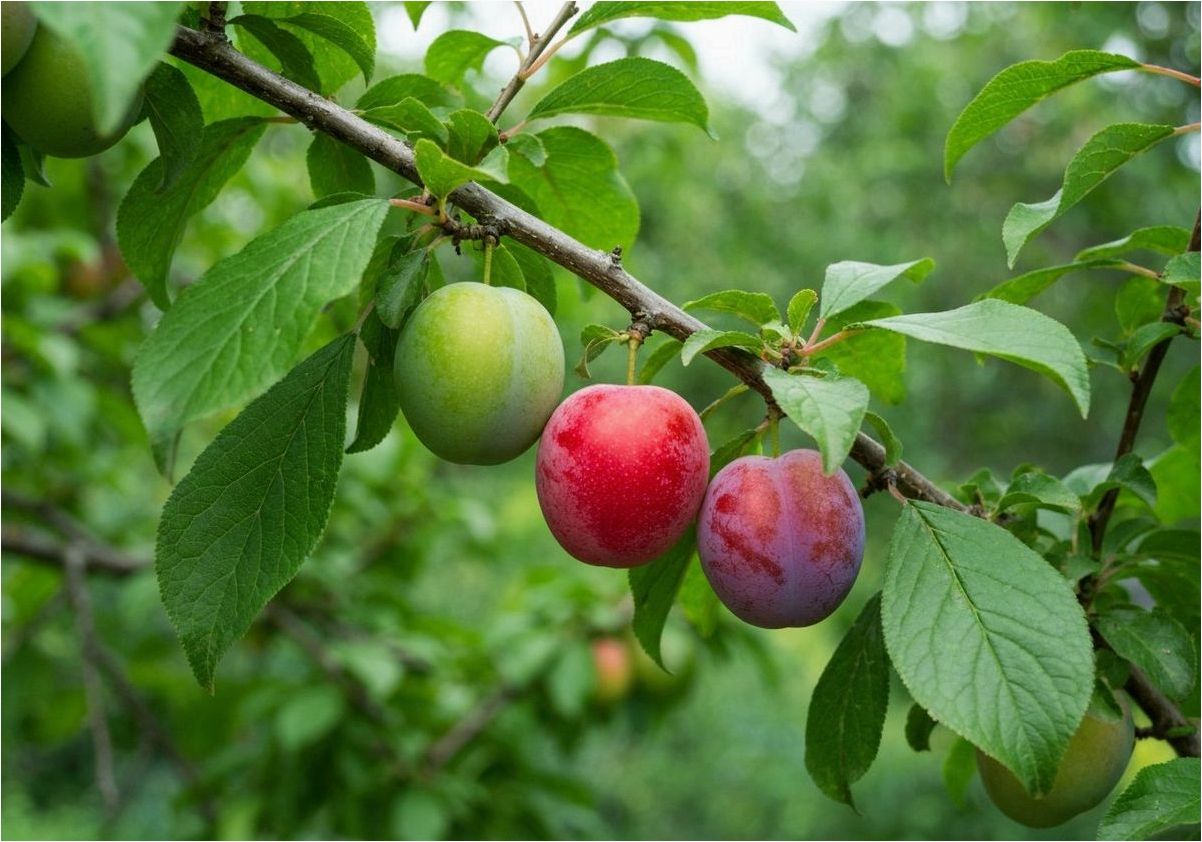
Plum season is in full swing: right now, these fruits are exceptionally juicy, richly sweet, and fragrant, and the pits come away easily from the flesh. We’ve put together a selection of five summer dishes that are perfect for August plums.
Plums, as well as other stone fruits—peaches, nectarines, and apricots—serve as an excellent natural remedy for cleansing the body. Thanks to their high content of soluble fiber—pectin—they stimulate bowel function, help relieve constipation, and contribute to lowering cholesterol levels. Plums deserve special attention, because unlike imported nectarines and peaches, they are better suited to our climate. Red and yellow plums are grown in many suburban gardens, which allows them to retain all their nutrients without any loss of quality during transport. “Ripe plums contain significant amounts of folic acid and vitamin P, which helps lower blood pressure,” notes Marina STUDENIKINA, nutritionist and deputy chief physician at the “Weight Factor” clinic. “In addition, they contain minerals such as phosphorus, magnesium, chromium, and zinc. Women prone to swelling should include plums in their diet, as their high potassium content helps eliminate excess fluid from the body.” Despite all their beneficial properties, it is not recommended to overindulge in plums: consuming more than 150–200 grams at a time can cause digestive upset. Additionally, don’t forget about the calorie content of plums—approximately 45 kcal per 100 g.
It is important to remember that plums have not only beneficial properties but also some contraindications. People with high stomach acidity or gastritis should consume these fruits in moderation to avoid triggering heartburn or discomfort. Also, those with diabetes should be mindful of the natural sugar content in plums and monitor their intake.
Plums are excellent for canning and making winter preserves—jams, compotes, plum sauce, and chutney. These products retain some of the vitamins and nutrients and can delight you with the natural taste of plums even when they’re out of season. To maximize their benefits, opt for homemade preserves without excessive amounts of sugar and preservatives.
When choosing plums, pay attention to their skin: a matte, slightly velvety texture is a sign of ripe, natural fruit. A bright sheen may indicate chemical treatment or immaturity. To preserve the fruit after purchase, store it at room temperature for 1–2 days to ripen, and then you can put it in the refrigerator for a few days.
Warm Salad (Serves 2) // Prep Time: 40 minutes // Cook Time: 10 minutes
• 1 medium eggplant
• 1 green bell pepper
• 2 roasted beets
• 4 red plums
• 2 tbsp olive oil
• Salt and pepper — to taste
• 1 tsp wine vinegar
• A sprig of mint
Slice the eggplant into rounds, core the bell pepper, and cut it into wedges. Grill the eggplant and bell pepper on both sides without oil until they develop characteristic grill marks. Cut the plums in half, carefully remove the pits, and peel off the skin. Then blend them together with the oil, mint, and vinegar in a blender until smooth. Arrange the vegetables on plates, add the chopped beets, dress with the prepared sauce, and lightly season with salt.
Cold salad with arugula (serves 1) // Prep time: 6 minutes // Cook time: 5 minutes
• 6 yellow plums
• 2 fresh figs
• 1 tbsp rose petal jam
• 1 tbsp balsamic vinegar
• 2 tbsp extra virgin olive oil
• A bunch of arugula
• A pinch of freshly ground black pepper
• A few slices of pickled ginger
• A handful of blueberries
• A handful of shelled pistachios
• 3 sprigs of cilantro
• 3 sprigs of mint
Cut the plums in half and remove the pits. Cut the figs into quarters. In a bowl, thoroughly whisk the rose petal jam with the balsamic vinegar and olive oil until smooth. Remove the stems from the mint and cilantro leaves, combine them with the arugula, and arrange the greens on a plate. Arrange the plum and fig halves on top, and sprinkle with pistachios. Drizzle the salad with the dressing and season lightly with pepper. Garnish the dish with pickled ginger slices and scatter blueberries over it.
Turkey with Plum Chutney (Serves 2) // Prep Time: 10 minutes // Cook Time: 20 minutes
• 300 g turkey breast
• 6 red plums
• 100 ml red plum wine (or dry red wine)
• 1 tbsp sugar
• 1 tbsp grated ginger
• Juice of one orange
• A sprig of thyme
• Salt and pepper — to taste
• 1 tbsp oil
Slice the turkey against the grain and grill the slices on both sides until they are half-cooked. Cut the plums in half, remove the pits, and slice them into wedges. In a skillet with oil, sauté the plum pieces along with the ginger until golden brown, then add the sugar, thyme, and wine. Let the wine reduce completely. Set aside a few plum slices for garnish; blend the rest with the orange juice in a blender until smooth. Return the sauce to the pan, add the turkey, season with salt and pepper, and cook until fully done. Serve the turkey generously drizzled with the sauce and garnished with fresh plum slices.
Fresh Plum Sorbet (serves 6) // Prep time: 10 minutes // Cook time: 8 hours 30 minutes
• 1 kg plums (any variety)
• 150 ml port wine
• Juice of 3 lemons
• 100 g sugar
Rinse the plums, cut them in half, and remove the pits. In a saucepan, simmer the fruit with the port wine and sugar until the sugar is completely dissolved. Add the lemon juice and blend the mixture in a blender until smooth, then let it cool. Transfer the mixture to an ice cream maker and let it freeze until ready. If you don’t have an ice cream maker, place the mixture in a container and put it in the freezer, stirring every 30 minutes for 6–8 hours to maintain a smooth consistency. Before serving, scoop the sorbet into dessert bowls.
Tip for foodies: To give the plums an extra burst of flavor and aroma, you can use various spices—cinnamon, cloves, or cardamom. They pair perfectly with the sweetness of the fruit and will help create interesting nuances in appetizers, main courses, and desserts.
Also, don’t forget that plums are a wonderful addition not only to salads and meat dishes, but also to cottage cheese and yogurt desserts, and their jams and compotes will energize you with natural vitality even during the cold season.
Proper storage of plums to maintain freshness
Plums stay fresh at temperatures between 0 and +4 °C. Store the fruit in the refrigerator in an unsealed plastic container or a paper bag with several holes for air circulation.
Do not wash plums before putting them in the refrigerator—excess moisture accelerates spoilage. Store individual fruits whole and avoid crushing them to prevent bruising and rapid softening.
If the plums are not yet fully ripe, keep them at room temperature, but separate them from bananas and apples, as these fruits release ethylene, which accelerates ripening and spoilage of the plums.
For long-term storage, select the firmest and most undamaged plums, discarding any spoiled ones to prevent the spread of rot. Check the fruit every 2–3 days and remove any rotten ones immediately.
To freeze, remove the pits and cut the fruit into halves or slices before processing. Place the sliced plums in airtight bags, removing the air to preserve flavor and texture.