10 Kitchen Items You Should Get Rid of Right Now
The kitchen is truly the heart of any home. We spend a lot of time here, cooking and spending time with loved ones. However, our cabinets and drawers often end up filled with items we’ve long forgotten or simply ignore. This clutter not only creates inconvenience but can also lead to health problems.
Article Contents:
here is a list of items you should get rid of to make your kitchen more convenient and safer:
- Expired food. Check the expiration dates of all grains, spices, canned goods, and other pantry items regularly. Expired food can be hazardous to your health.
- Old and damaged towels. Textile items that haven’t been replaced in a long time can harbor bacteria and mold.
- Containers without lids or with damaged lids. Storing food in unreliable packaging leads to spoilage and contamination.
- Worn-out dishes and kitchen utensils. It’s best to replace dishes with cracks and scratches—microorganisms can accumulate on them.
- Unnecessary gadgets and appliances. Anything you haven’t used in a year should be donated or thrown away to free up space.
- Disposable plastic tableware. It creates waste and isn’t always safe to reuse.
- Old sponges and brushes. It’s recommended to replace them every 2–3 weeks; otherwise, they become a breeding ground for bacteria.
- Unsuitable food containers. Cracks, discoloration, and odors are reasons to get rid of them.
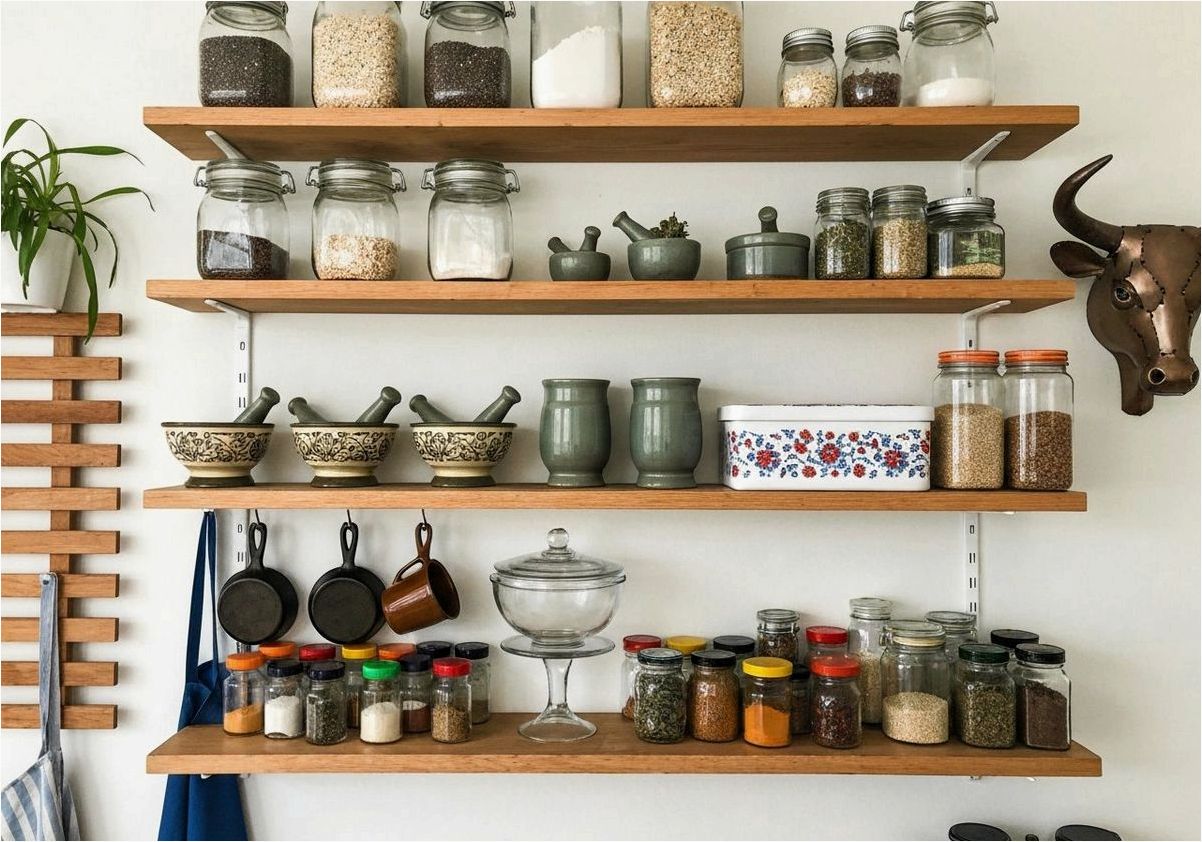
- Dried-out spices and herbs. They lose their aroma and properties and can spoil the taste of your dishes.
- Cookbooks and magazines with recipes you don’t use. It’s best to keep only the materials you use regularly to avoid clutter.
Regular cleaning and reevaluating your kitchen’s contents will help make the space more cozy and functional, as well as reduce the risk of contamination and the spread of bacteria.
Step-by-Step Plan for Cleaning the Kitchen
You can tidy up and free up space at any time of year—you don’t have to wait for spring. We’ve compiled expert tips to help you get rid of the unnecessary and bring your kitchen into perfect order.
1. Used sponges
According to a study published in the *Journal of Applied Microbiology* (2022), kitchen sponges quickly become a breeding ground for harmful bacteria. After just one month of use, a large number of microorganisms accumulate on sponges, regardless of whether they are antimicrobial or regular ones.
- Recommendation: Replace sponges every 2–3 weeks. It’s better to use brushes for washing dishes, as they stay hygienic longer. Don’t keep sponges that smell bad—that’s a clear sign it’s time to throw them away.
2. Worn-out cutting boards
Even if you use separate boards for meat and vegetables, deep scratches trap bacteria that are difficult to remove. The U.S. Department of Agriculture (USDA) emphasizes that such surfaces increase the risk of cross-contamination.
- Recommendation: Opt for bamboo cutting boards—they are denser and less porous. Solid bamboo boards can be washed in the dishwasher, while laminated ones should only be washed by hand to avoid cracking.
3. Broken and worn-out kitchen tools
Cracked or worn-out spatulas and spoons are not only unattractive but also dangerous. Small splinters of wood or plastic can get into food and cause injuries.
- Tip: Check the condition of your kitchen appliances. Pay special attention to black plastic items—some of them may contain harmful substances.
4. Unused appliances and outdated manuals
A multicooker you haven’t used in years, as well as an old mixer, are just taking up valuable space in your kitchen.
- Recommendation: Go through your appliances—donate or sell the ones you don’t need. Keep the manuals only for the devices you use regularly.
5. Leftover sauces, straws, and takeout utensils
How often do you save sauces and straws from cafes and then simply forget about them? These items have a limited shelf life and gradually lose their flavor and freshness.
- Recommendation: Check the expiration dates on sauces regularly, about once a month. When ordering takeout, try to order the minimum number of extras.
6. Magnets on the fridge
Too many magnets on the fridge create a cluttered and visually chaotic look.
Recommendation: Keep only your favorite and most useful magnets. Try rotating them—this will help make your kitchen look neater and more stylish.
7. Expired spices
Whole spices in sealed packages can retain their properties for up to 2–4 years, while ground spices can last up to 3 years when stored at room temperature. However, over time, they lose their aroma and flavor intensity.
- Recommendation: Buy spices in small quantities so they don’t sit around unused. It’s best to purchase them in the bulk section of the store, where you can take exactly as much as you need. Marking the purchase date on the jars will help you keep track of the spices’ freshness.
8. Coffee
If coffee is part of your daily ritual, you likely have a supply of whole beans or ground coffee at home. Freshly ground coffee should be stored for no longer than two weeks in a tightly sealed container in a cool, dark place. Once opened, its freshness declines rapidly.
Coffee is consumed faster than other dry goods, so it’s helpful to note the date the package was opened to use the product in a timely manner.
- Recommendation. To avoid waste, you can repurpose stale coffee: for example, use coffee grounds to enhance the flavor of chocolate desserts or brownies instead of throwing them away.
9. Expired oils
Some people mistakenly believe that oils can be stored for years. However, olive oil, for example, begins to lose its beneficial properties just a few months after the bottle is opened.
- Recommendation: Buy oils in small quantities and store them in a cool place.
10. Items from the freezer
Don’t forget to check the contents of your freezer—frozen meat and other dishes lose quality over time. In particular, freezer burn significantly impairs the taste and texture of food.
It is important to check the expiration dates of products when purchasing them.
When freezing leftovers, it is helpful to label them with the date they were packaged. Although food in the freezer does not spoil immediately, the U.S. Department of Agriculture recommends consuming it within 3–4 months to preserve its taste and texture.
- Recommendation: Freeze small portions and be sure to label them with the date. Try to use the food within 3–4 months.
Regular cleaning in the kitchen helps not only keep things clean but also save time, reduce food waste, and create a cozy atmosphere. Start with small steps: gather up the excess, sort items into categories, and get rid of what you don’t need.
Remember: comfort and health start with order and cleanliness around you!