5 Key Aspects of Skin Aging
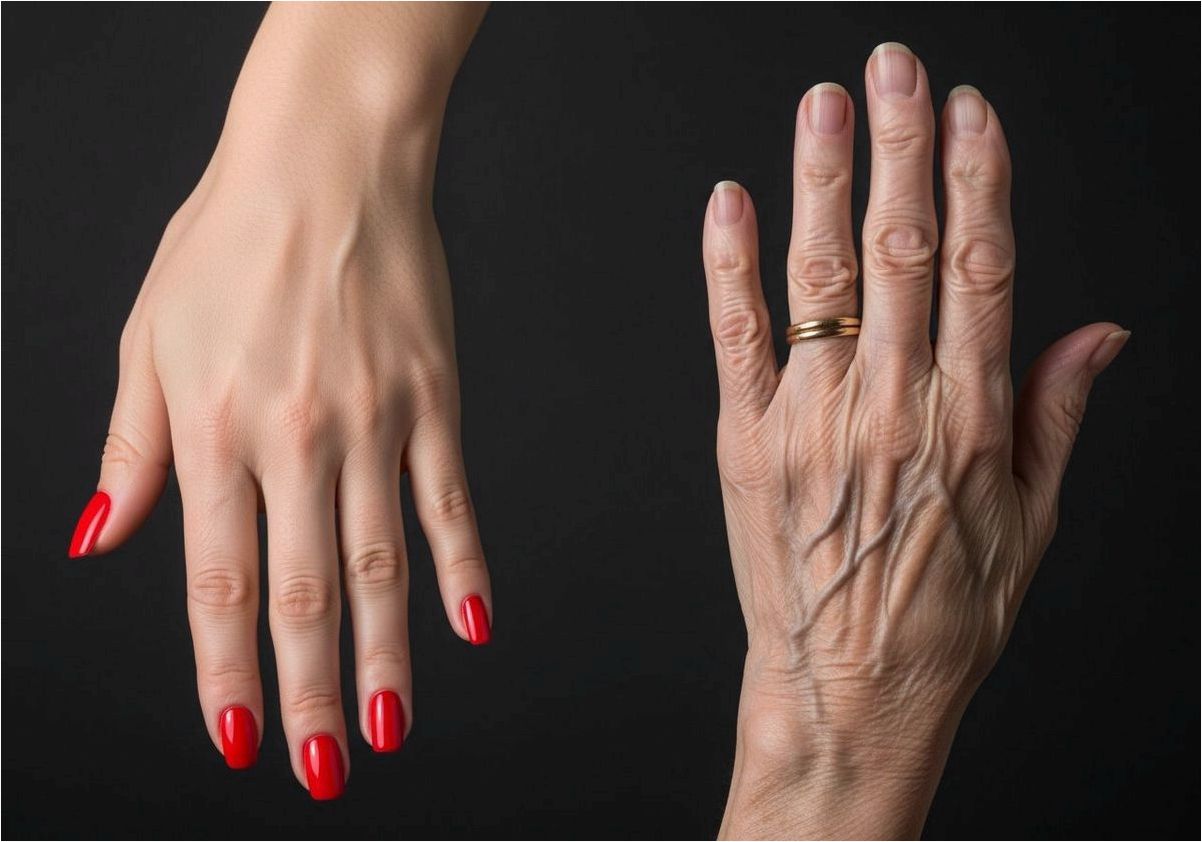
Every woman dreams of preserving her youth as long as possible. But why is it so difficult to resist time? Valentina Martyanova, MD, PhD, and cosmetologist at the Ilya Trukhanov Clinic in Kurkino, reveals five important facts about skin aging that will help you maintain your beauty and health.
Article Contents:
1. Decreased Collagen Production
With age, the skin loses its ability to produce collagen, the main protein responsible for firmness and elasticity. This leads to the formation of wrinkles and loss of tone. Regular use of products containing peptides and vitamin C helps stimulate collagen synthesis.
2. Impaired skin barrier function
Aging reduces the skin’s resistance to external aggressions—UV radiation, cold, and pollution. As a result, the skin becomes drier and more sensitive. It’s important to maintain its hydrolipidic balance by using moisturizing and protective creams with ceramides and antioxidants.
3. Increased free radical activity
Free radicals are molecules that damage skin cells and accelerate the aging process. The main sources are UV radiation and air pollution. Using sunscreens with SPF and antioxidants helps neutralize these harmful effects.
4. Decreased cell renewal
Over time, the epidermis renews significantly more slowly, leading to a dull and uneven complexion. Peels and retinoid-based products promote cellular regeneration.
5. Changes in subcutaneous fat
The fat layer decreases, the skin loses volume, and becomes more sagging. Professional procedures such as mesotherapy and contouring help restore volume and improve facial contours.
Understanding these aspects allows you to choose the right skincare routine and keep your skin healthy and attractive for years to come.
1. Aging affects more than just the skin
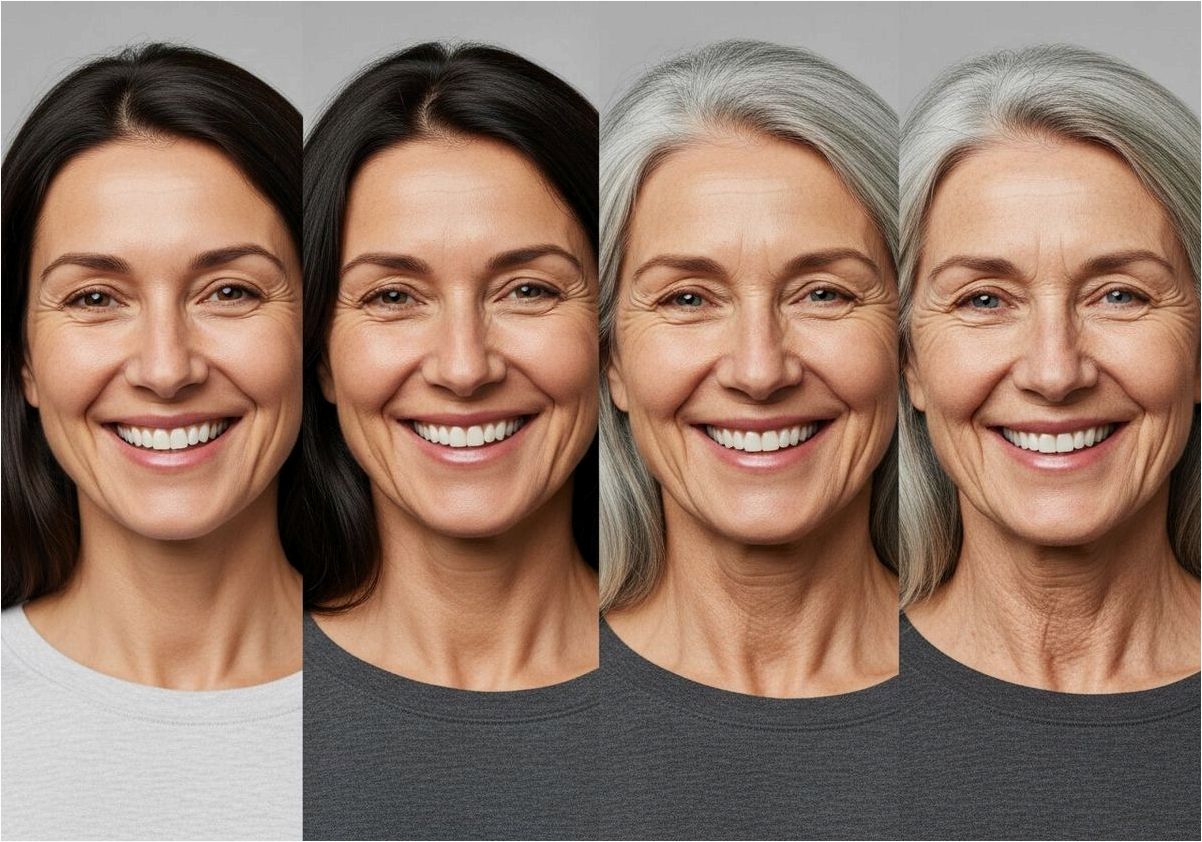
Collagen is the most important structural component of all connective tissues of the body. It is involved in the functioning of joints, bones and ligaments, and is also the basis for skin elasticity. As the quality of collagen fibers deteriorates, bone density also changes: minerals gradually leave them, causing changes in the skeleton and face. The area under the eyes droops, the cheekbones lose volume and become less pronounced. At the same time, tissues and muscles lose elasticity, which is why the face seems to “sink,” characteristic “jowls” appear, and wrinkles and folds form in places of frequent facial activity.
To compensate for collagen deficiency, a balanced diet and the intake of special mineral complexes are necessary. Collagen therapy allows you to increase skin elasticity – injections that stimulate the natural production of collagen and slow down its breakdown.
2. Alcohol is one of the main enemies of youth
Alcoholic drinks destroy vitamins C and E, which are important for maintaining youth and are necessary for collagen synthesis, and also cause dehydration. As a result, the skin rapidly loses elasticity, becomes covered with fine wrinkles, hair and nails become brittle and weak.
To slow down negative processes, it is recommended to limit alcohol consumption and increase your drinking regime, focusing on still water. Biorevitalization is effective in the fight against dry skin – injections of hyaluronic acid, which help retain moisture in the cells, making the skin fresh and youthful.
In addition, alcohol negatively affects the quality of sleep, which also affects the condition of the skin – it loses its natural radiance and becomes dull. It is equally important to consider that alcohol promotes increased formation of free radicals, which accelerate the aging process at the cellular level. To maintain healthy skin, it is helpful to include foods rich in antioxidants in your diet, such as berries, green tea and nuts, which help neutralize the harmful effects of free radicals.
It is also beneficial to engage in regular physical activity and maintain a rest schedule, as these factors help improve blood circulation and oxygenate the skin, slowing down the aging process.
3. Even high-quality cosmetics can’t solve all problems
Conventional skin care products are usually aimed at protecting the skin from external influences, maintaining moisture balance and supply vitamins B the upper layers of the skin. However, they cannot compensate for the lack of collagen, elastin, and hyaluronic acid found deeper in the skin, as the skin’s barrier function prevents the penetration of active ingredients.
Today, modern equipment makes it possible to target deeper layers, performing so-called SMAS lifting, which activates collagen synthesis and significantly improves the skin’s condition.
In addition to SMAS lifting, there are other effective procedures, such as microcurrent therapy, fractional laser, and injectables (Botox, fillers). These help stimulate tissue regeneration, improve microcirculation, and promote the restoration of skin elasticity. A combined approach, including professional cosmetic procedures and proper home care, is optimal for achieving lasting and noticeable results.
It is also important to remember that nutrition, lifestyle, and UV protection play a key role in maintaining youthful skin. Regular antioxidant intake, quitting smoking, and adequate hydration help slow the aging process and support the skin’s natural self-renewal mechanisms.
4. Active facial expressions accelerate the appearance of wrinkles
Any emotional expression causes facial muscles to contract, causing the skin to stretch and form folds. In youth, the muscles quickly relax and return to their original state, but with age, frequent facial expressions leave increasingly visible marks. For example, surprise causes horizontal wrinkles on the forehead, while frowning causes vertical lines between the eyebrows. Laughter creates crow’s feet at the outer corners of the eyes, and smiling leads to the appearance of so-called marionette lines—dead lines running from the corners of the mouth to the chin.
Today, this process can be controlled with botulinum toxin A injections, which block the transmission of nerve impulses to the muscles. It’s important to note that the drug doesn’t completely paralyze the muscles, but only temporarily disconnects them from the skin for 4-6 months. During this time, the nerve connections are restored and new connections are formed with the muscles. Using this method, the procedure is recommended to be repeated regularly. However, approximately 7% of patients do not respond to botulinum toxin A, and alternative wrinkle prevention methods are chosen for them.
5. A love of the sun leads to premature skin aging
UV radiation dehydrates the skin, destroying collagen and elastin fibers, and also stimulates the activity of melanocytes, the cells responsible for the production of melanin. This pigment protects the skin from the harmful effects of sunlight, but if it is unevenly distributed, pigment spots form on the face and open areas of the body.
For reliable protection against UVA and UVB rays, it is recommended to use sunscreens with SPF of at least 35. If age spots appear, their severity can be reduced using a photorejuvenation procedure. Point impulses destroy pigment and activate cell renewal, which leads to increased collagen production and a noticeable improvement in the appearance of the skin.