10 Medications That Should Not Be Taken With Coffee
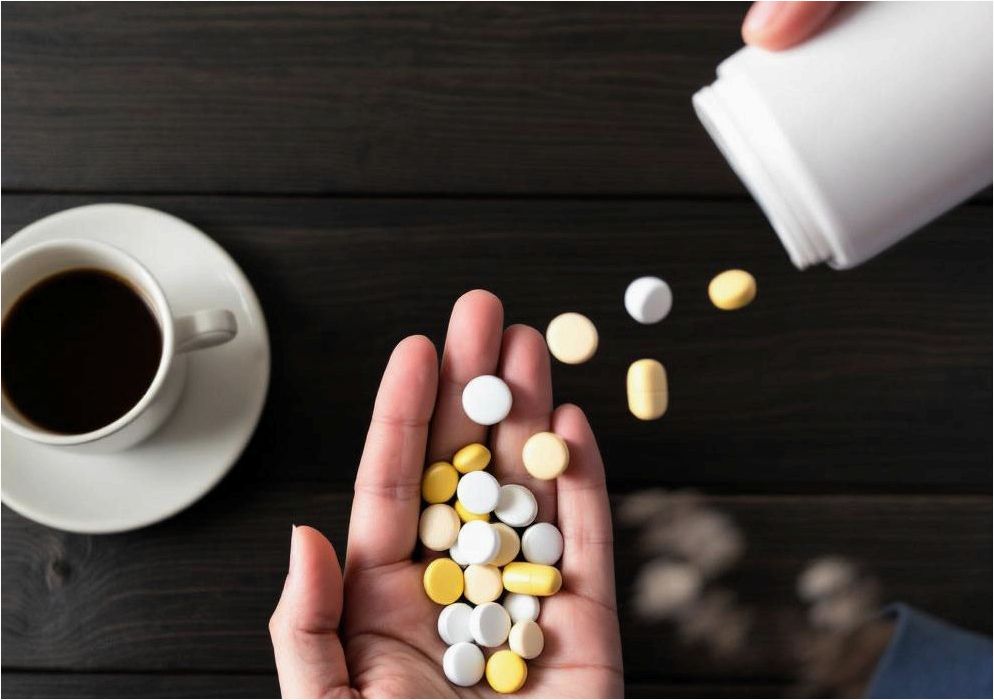
For many people, morning coffee is an essential ritual. However, not everyone is aware that coffee can affect how medications work, reducing their effectiveness. Caffeine consumption can alter the absorption and metabolism of certain medications, which affects their therapeutic effect.
Article contents:
according to data from the Journal of Clinical Pharmacology, caffeine has a significant effect on the absorption, distribution, metabolism, and excretion of many medications. Let’s look at ten types of medications that should not be taken with coffee to avoid unwanted side effects.
1. Thyroid medications
In hypothyroidism, when the thyroid gland produces insufficient amounts of hormones, patients experience weakness, weight gain, and dry skin. Levothyroxine is often used to treat this condition. However, according to articles in the Thyroid Journal, coffee reduces the absorption of levothyroxine by approximately 55%, which significantly diminishes the therapeutic effect. Therefore, it is recommended to take such medications at least half an hour before drinking coffee.
2. Cold and allergy medications
Cold and allergy medications often contain stimulants, such as pseudoephedrine. The interaction between pseudoephedrine and caffeine enhances the stimulating effect, which can cause anxiety, insomnia, and a rapid heartbeat. In addition, coffee can reduce the effectiveness of antihistamines such as fexofenadine, exacerbating symptoms of irritability and nervous tension.
3. Diabetes medications
Adding sugar or milk to coffee causes sharp spikes in blood glucose levels, which can interfere with the effectiveness of diabetes medications. A study by the American Diabetes Association found that caffeine can raise insulin and glucose levels, making it harder to manage the disease. This is especially important for patients using insulin or metformin, as coffee interferes with stable blood sugar control.
4. Alzheimer’s disease medications
Alzheimer’s disease affects the majority of the elderly population over the age of 65 and requires regular medication, such as donepezil and rivastigmine. These drugs help maintain normal levels of acetylcholine, a neurotransmitter essential for cognitive function. However, caffeine can block the passage of these medications across the blood-brain barrier, reducing their therapeutic activity. As a result, cognitive function deteriorates and the therapeutic effect is diminished.
5. Asthma medications
Asthma patients often take bronchodilators, such as theophylline or aminophylline, to ease breathing. However, the caffeine in coffee intensifies the side effects of these medications, causing headaches, irritability, and stomach pain. In addition, coffee impairs the absorption of bronchodilators, which reduces their effectiveness.
6. Medications for osteoporosis
Drugs used to prevent and treat osteoporosis, particularly risedronate and ibandronate, are poorly absorbed when taken with coffee. The International Osteoporosis Foundation (IOF) notes that coffee reduces their bioavailability by more than half. For maximum effectiveness, it is recommended to take these medications on an empty stomach, with plain water only.
7. Antidepressants
Antidepressants such as fluoxetine and sertraline are among the most commonly prescribed medications. Combining them with caffeine can trigger increased anxiety and nervousness. In addition, caffeine slows down the metabolism of these drugs, which increases the likelihood of severe side effects. To avoid such undesirable effects, it is advisable to limit coffee consumption while undergoing antidepressant therapy.
8. Medications for hypertension
People with high blood pressure take beta-blockers or ACE inhibitors to manage their condition. Coffee, however, can counteract the effectiveness of these medications, causing blood pressure to rise and placing additional strain on the cardiovascular system. To maintain stable blood pressure levels, it is important to avoid drinking coffee for one hour after taking medication.
9. Antibiotics
Some antibiotics, such as ciprofloxacin and norfloxacin, interact with caffeine, intensifying its side effects—anxiety and rapid heartbeat. Coffee also slows down the absorption of antibiotics, which reduces the effectiveness of treatment. It is recommended to consume coffee at least several hours before or after taking antibiotics.
10. Iron supplements
Iron supplements are used to treat anemia, but coffee reduces their absorption by about 39%, according to a study published in the *American Journal of Clinical Nutrition*. To improve iron absorption, take the supplement one hour before or two hours after drinking coffee.
Despite coffee’s positive properties and invigorating effects, it is important to understand that it can reduce the effectiveness of many medications. To prevent unwanted interactions, always consult your doctor or pharmacist before combining caffeine with medications.