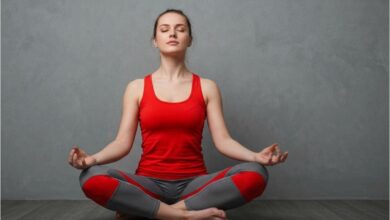
7 ways to quickly restore your nervous system
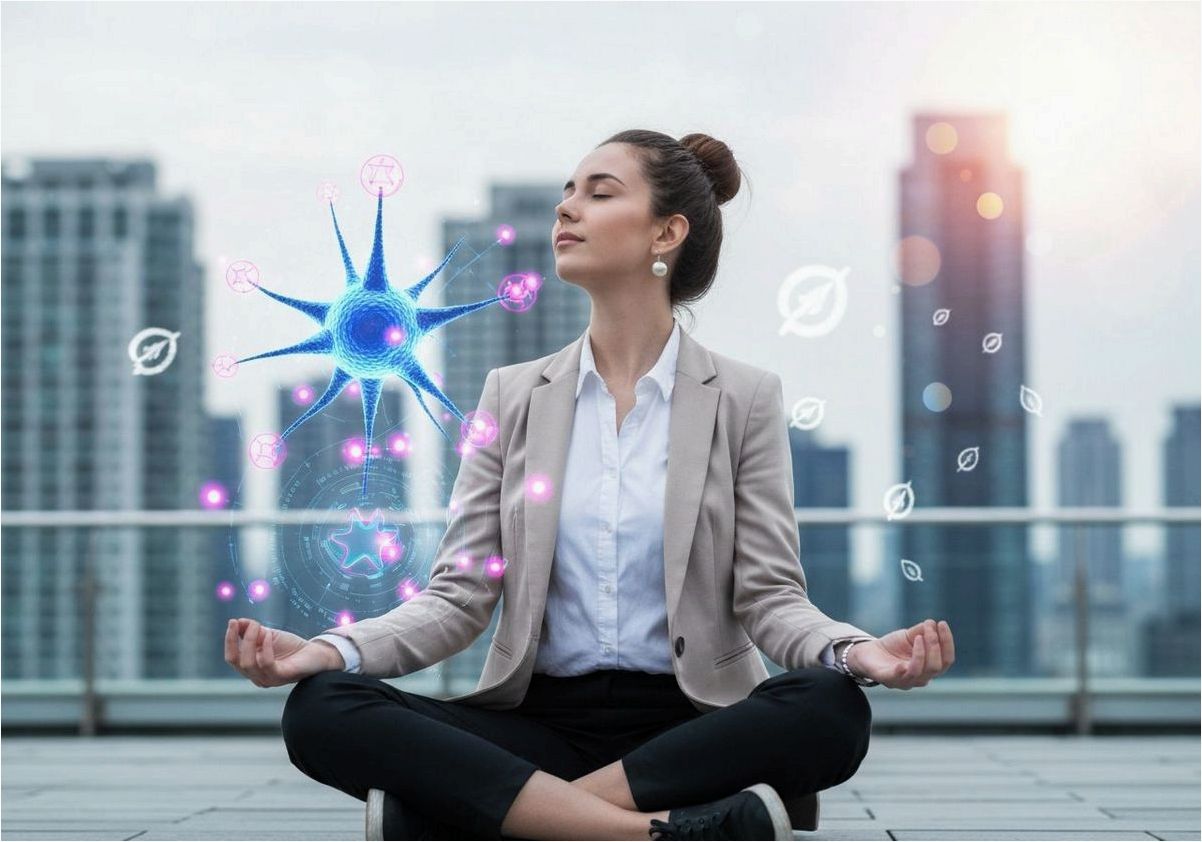
Our body is designed very competently: it has a unique ability to self-heal. However, the important question remains: how much a person can cope with psychological stress and internal difficulties. A specialist in neuroses, author of the book “Oxytocin Evolution,” shares about effective techniques for restoring the nervous system. Oksana Tsyshkova.
Contents of the article:
- Why is it important to regularly restore your body?
- Life hack 1: movement as a means of rebooting
- Lifehack 2: Walking with Mindfulness
- Life hack 3: soft heat for relaxation
- Life hack 4: nutrition to restore energy
- Life hack 5: quality sleep is the key to recovery
- Life hack 6: relaxing massage
- Life hack 7: correct breathing technique
The modern rhythm of life often leads to overwork and stress, which negatively affect our nervous system. To quickly restore internal balance and increase stress resistance, it is important to regularly use proven methods here are seven effective ways to help restore calm and recharge your energy:
- Deep breathing and meditation. A simple yet powerful method for reducing stress is mindful breathing. Slow, deep breaths help activate the parasympathetic nervous system, which promotes relaxation.
- Physical activity. A light walk, stretching or yoga stimulates the production of endorphins and improves your mood. Physical activity helps relieve muscle tension and improve sleep.
- Sleep mode control. Quality sleep is the basis for restoring the nervous system. Try to go to bed and wake up at the same time every day, avoid screens an hour before bed, and create a comfortable resting environment.
- Proper nutrition. Include omega-3 rich foods in your diet bold acids, vitamins group B and magnesium – they support the functioning of the brain and nervous system.
- Relaxation techniques. Progressive muscle relaxation, autogenic training, or aromatherapy using lavender and peppermint essential oils can help relieve tension quickly.
- Social support. Communicating with loved ones, discussing problems and receiving emotional support strengthens the psyche and improves emotional well-being.
- Planning and prioritization. A clear distribution of tasks and the ability to say “no” unnecessary stress allows you to avoid overwork and maintain internal balance.
Regular use of these simple tips will help strengthen the nervous system, increase stress resistance and improve the quality of life. Remember that self-care is not a luxury, but a necessity in today’s world.
Why is it important to regularly restore your body?
How often does your body allow itself to switch to relaxation and rest mode? During times of severe stress, the body tends to block this ability. Therefore, you need to consciously help yourself regain the ability to relax.
Understanding the need to regularly reboot the nervous system is especially important today. Many, faced with the negative effects of chronic stress, successfully use meditation techniques and mindfulness practices. These methods allow you to keep your internal state under control and maintain harmony in the body. The skill of stress resistance must be developed independently.
To effectively restore strength, you need to activate the parasympathetic nervous system. When a person is under severe stress, sympathetic activity predominates – a reaction associated with the release of adrenaline. Restoring balance between the sympathetic and parasympathetic systems requires changes in daily habits and lifestyle.
Life hack 1: movement as a means of rebooting
Physical activity is important for any person. However, when stress depletes your resources, the usual intense training may cause harm. But there are specialized exercises aimed at relaxing muscles through stimulation of the parasympathetic system.
This includes stretching, long exhalations, bending the body and exercises performed in a lying position. Slow and fluid movements help improve proprioception and restore harmony. Neurogymnastics is an excellent technique for quickly activating relaxation and rebooting the nervous system.
It is important to remember that regular short sessions of light physical activity can be more effective than infrequent, intense exercise. For example, 5-10 minutes of deep breathing combined with gentle stretching in the morning and evening can help reduce cortisol levels and improve your mood.
It’s also helpful to incorporate concentration and balance exercises into your routine, such as slow head turns, rocking, or eye movements. They help improve communication between the body and brain, which helps reduce anxiety and increase overall resistance to stress.
If possible, try yoga or qigong—these practices combine breathing techniques, gentle movements, and attention to the body, which has a beneficial effect on the nervous system and promotes deep relaxation.
Lifehack 2: Walking with Mindfulness
Regular walks in the fresh air should be included in your daily routine, but it’s important to control your thoughts. Avoid dwelling on problems and worries. Instead, focus on your perception of the world around you, fully immersing yourself in the sensations of nature. This calm interaction with nature helps restore the nervous system.
Lifehack 3: Gentle heat for relaxation
During the cold season, a balanced heat treatment is especially beneficial. Gentle warming treatments that don’t cause additional stress are very effective. These include saunas and hammams at a temperature of around 60 degrees Celsius—the optimal option for gradually relaxing blood vessels without unnecessary stress, allowing you to achieve deep relaxation.
Furthermore, warm compresses or heating pads on the neck and shoulders help relieve muscle tension and improve circulation. It is recommended to carry out such treatments for no more than 15–20 minutes at a time to avoid overheating. It is also helpful to combine heat with breathing exercises or light meditation—this will enhance the relaxation effect and help reduce stress.
It is important to remember to consult a doctor before using heat treatments, especially if you have chronic illnesses or cardiovascular problems.
Lifehack 4: Nutrition for Energy Recovery
During the recovery period, it is recommended to consume warm drinks and light liquid dishes. A variety of soups should be your staple diet. Drink berry and fruit compotes, and add aromatic spices, such as cinnamon or cardamom, to your food to enhance the warming effect and support your body’s strength.
Lifehack 5: Quality sleep is the key to recovery
For a good night’s rest, it’s important to reduce unnecessary distractions in your room. Preparing for bed is key to improving the quality of your night’s rest:
- Start your evening rituals 1-2 hours before bed: dim lighting, turn off gadgets and the TV, and listen to calm classical music;
- Light a candle and quietly contemplate the flame for a few minutes while listening to relaxing sounds;
- Use natural essential oils such as lavender, rose, eucalyptus, peppermint, or ylang-ylang, adding a few drops to a bedroom aromatherapy lamp;
- Before bed, drink herbal tea with chamomile, peppermint, or tulsa for a calming effect;
- Foot baths with Epsom salts (approximately 15 minutes) are excellent for promoting relaxation;
- A warm, but not hot, bath or shower will help relieve tension, finishing with a body rub. Sesame or coconut oil;
- Try to go to bed no later than 11 PM.
Lifehack 6: Relaxing massage
For deep recovery, you can use various massage techniques. For example, Ayurveda practices abhyanga—a gentle, slow massage that promotes deep relaxation, relieves nervous tension, and boosts energy. This method helps speed up the elimination of toxins, relaxes muscles, and restores emotional balance.
Lifehack 7: Correct Breathing Technique
Pay special attention to how you breathe. Assess whether your diaphragm is engaged when inhaling. Full, deep breathing with active diaphragm engagement is an important sign of a healthy nervous system and evidence of its balanced functioning.
To practice correct breathing, try the following method: inhale slowly through your nose, trying to expand your belly, not your chest. Hold your breath for 2-3 seconds, then exhale smoothly through your mouth, allowing your belly to return to its original position. This technique helps reduce stress levels, improve blood oxygenation, and activate the parasympathetic nervous system.
Regular diaphragmatic breathing exercises can increase your overall resilience to stress, improve concentration, and improve sleep quality. Start with a few minutes a day, gradually increasing your practice time.