Vibration platform: exposing myths and confirming the truth about a fashionable fitness device
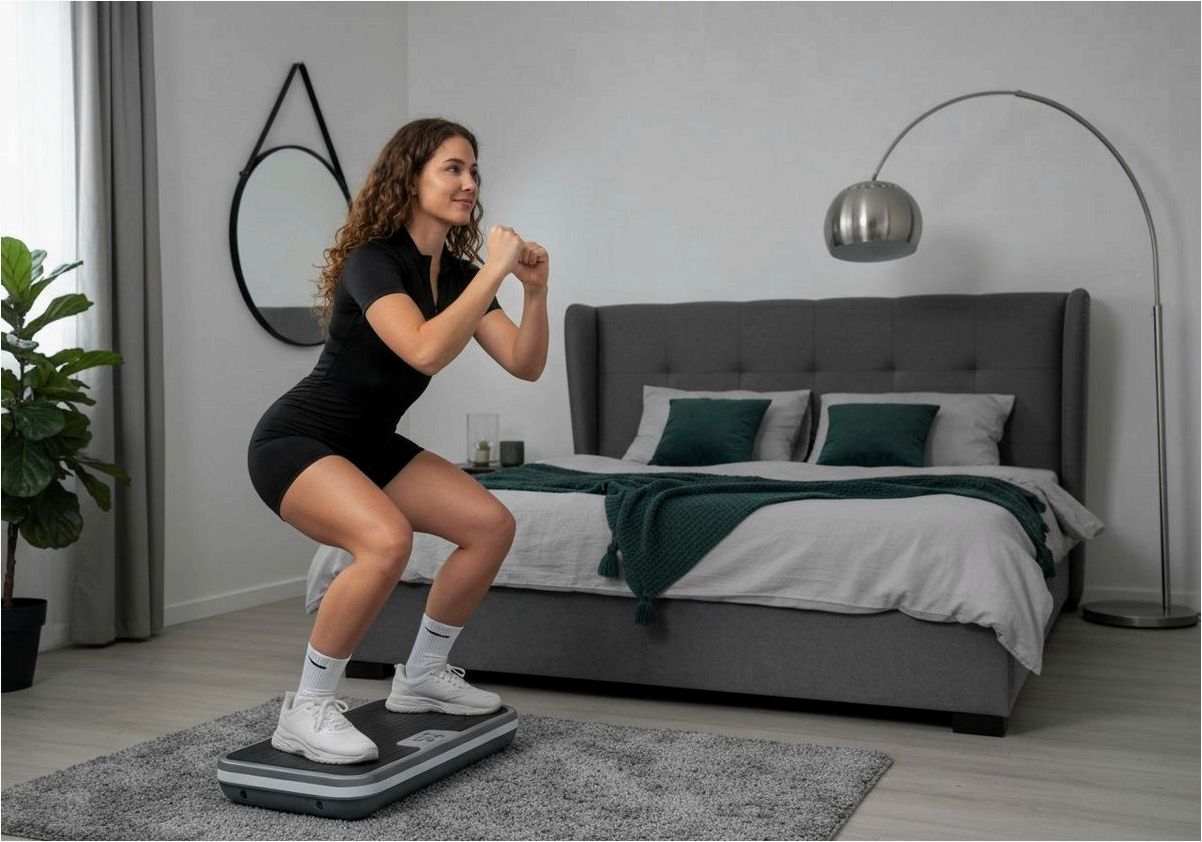
Today vibration has gained popularity again. A huge number of videos appear on the social networks TikTok and Instagram, where men and women demonstrate exercises on a vibration platform and claim that just ten minutes of exposure to vibrations can replace a full-fledged workout. Manufacturers promise to speed up metabolism, strengthen muscles and even get rid of chronic pain. But how do experts feel about these statements?
Contents of the article:
vibration platforms actually have an effect on muscles due to the rapid contraction of muscle fibers under the influence of vibrations. This can help improve tone and slightly activate blood circulation. However, experts note that such an effect will not replace a full-fledged workout, including cardio and strength training, especially if we are talking about significant weight loss or muscle building.
Research shows that short-term vibration sessions can help with rehabilitation and pain relief in people with certain medical conditions, but it is not a one-size-fits-all treatment. Moreover, vibration platforms are contraindicated for people with certain cardiovascular diseases, pregnant women and people with implanted medical devices.
As a result, the vibration platform is more of an auxiliary tool for improving overall physical activity and increasing muscle sensitivity, but not a panacea. To achieve noticeable results, experts recommend combining its use with regular training, proper nutrition and a healthy lifestyle.
Operating principle of the vibration platform
At first glance, the device is quite simple: a small vibrating platform that causes the body to make slight vibrations. Such microvibrations activate muscles that usually remain unused during regular training – especially the deep stabilizing muscles responsible for supporting the spine, joints and proper posture
during vibration, muscles contract and relax at a rate of up to 30-50 times per second. This improves blood flow, stimulates lymphatic drainage, and improves tissue tone. This is why a short workout can feel like a gentle massage or stretch.
Useful information
- A 2025 study found that vibration reduces tension in the erector spinae muscles and can be used to prevent low back pain.
- For people over 80, vibration platforms improved strength, coordination, and mobility—suggesting broader benefits beyond just back pain relief.
- Vibration platforms have demonstrated positive effects in those with metabolic syndrome, reducing insulin resistance and improving body composition.
Advantages of vibration platforms: what is really confirmed
- Increases blood circulation and lymph flow. Regular exercise helps reduce swelling, accelerate metabolism, and facilitate recovery after exercise. This explains the popularity of vibration therapy in rehabilitation programs and physical therapy.
- Strengthens core muscles and maintains correct posture. Microvibrations activate the abdominal, lumbar, and pelvic floor muscles—those that form the body’s internal framework. This is especially important for those who spend a lot of time sitting or experience back weakness Helps relieve muscle tension and stiffness. Gentle vibrations promote relaxation of tired muscles after prolonged desk work or physical exertion. Some people find it helpful in reducing discomfort in the neck, shoulders, and lower back due to muscle relaxation it has the potential to alleviate chronic pain. Research suggests that gentle vibration can reduce discomfort in nonspecific pain—when there is no obvious injury, but persistent muscle stiffness or fatigue is present.
- Suitable for those who are contraindicated for intense exercise. Elderly people, as well as patients recovering from injuries and surgeries, can use vibration therapy as a gentle way to restore muscle tone, improve balance, and enhance body sensitivity without putting undue strain.
- Disadvantages and potential dangers: who may be harmed by a vibration platform
- Despite a number of benefits, vibration is not suitable for everyone.
If you have spinal injuries, intervertebral hernias, osteoporosis, joint diseases, cardiovascular diseases or varicose veins, the use of a vibration platform may be undesirable.
Vibration vibrations create additional pressure on the joints and spine, and incorrect posture during exercise can aggravate the load on the lumbar region. In addition, in people with a sensitive vestibular system, vibration sometimes provokes dizziness and fatigue.
Vibration therapy is contraindicated for pregnant women, people with epilepsy, bleeding disorders, or a pacemaker.
It is also worth considering that prolonged or excessive use of a vibration platform can lead to overstrain of muscles and ligaments, and in some cases, to microtrauma. Start exercises with minimal intensity and gradually increase the load, carefully listening to your feelings.
It is recommended that you consult with your doctor before starting exercise, especially if you have chronic illnesses or have any doubts about the safety of using the vibration platform. This will help avoid possible complications and choose the optimal training regimen.
Recommendations for the correct use of the vibration platform
In the absence of contraindications, classes should be started gradually. In the first stages, 5–10 minutes a day with a minimum amplitude of vibration is enough. Gradually, the time can be increased to 20–30 minutes, but do not exceed this limit.
Recommendations for the correct use of the vibration platform
It is optimal to use a vibration platform as part of an integrated approach, complementing it with therapeutic exercises, stretching and stress management methods.
Don’t expect instant results! The effect of vibration therapy is usually mild and increases over time. For some, this method may not be suitable at all. The main thing is to listen carefully to your body: if the pain increases, stop exercising and consult a doctor.
Vibration and pain: the main nuances
Very often, vibration platforms are used to relieve pain in the back, legs or neck. In certain cases, this is really effective, especially if the pain is associated with muscle strain, stress or a sedentary lifestyle.
Vibration and pain: the main nuances
If you approach the matter consciously, a vibration platform can become a pleasant and useful type of activity that will help you relax, increase muscle tone and restore a feeling of lightness in the body. However, it should not be perceived as a panacea that can replace fitness or drug treatment. It is more of an auxiliary tool – a soft and unobtrusive way to provide the body with the movement that is often lacking.
It is important to remember that the duration and intensity of training on a vibration platform should be selected individually. Beginners are advised to start with short sessions of 5-10 minutes with minimal vibration and gradually increase the load. It is also worth paying attention to the correct posture – while standing on the platform, your legs should be slightly bent at the knees and your body should be kept straight to distribute vibration evenly.
In addition to the analgesic effect, regular exercises on the vibration platform help improve blood circulation and lymphatic drainage, which helps reduce swelling and helps remove toxins from tissues. This is especially useful for people who lead a sedentary lifestyle or suffer from congestion in the body.
In addition, vibration therapy can be a good addition to rehabilitation after injuries and operations, but only after consultation with a doctor and under the supervision of a specialist.
Vibration platform: exposing myths and confirming the truth about a fashionable fitness device