5 Dangerous Trends in the Beauty Industry in 2026: Which Treatments and Cosmetics Are Best to Avoid
We often hear the saying “beauty requires sacrifice,” but not all sacrifices are justified. Some skincare methods and products can have a negative impact on your skin, hair, and overall health. Ria Gorbunova, a beauty expert and salon owner, shares a list of five popular trends that should be approached with caution.
Article contents:
Dermaplaning
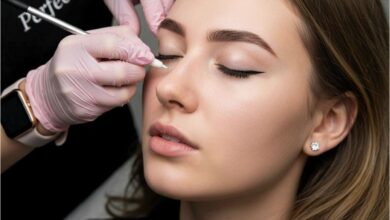
Previously known mainly in Asian countries, this procedure is now gaining popularity among Europeans and Americans. What exactly is dermaplaning? Essentially, it is the gentle removal of the top layer of dead skin cells and fine hairs on the facial skin using a specially designed scalpel-shaped tool.
This unique “shaving” method helps smooth the skin’s texture, improves the absorption of skincare products, and leaves the skin feeling silky smooth.
Fans of this treatment, such as the famous model Josephine Skriver, note that dermaplaning gives the face a natural glow and makes the skin more photogenic. Indeed, removing the top layer of the epidermis helps even out skin tone and texture, and cells are better oxygenated, which has a positive effect on the complexion.
Despite the visible benefits, this procedure carries quite a few potential risks. Among them are:
- Redness, irritation, and flaking resulting from mechanical action;
- Exacerbation of existing inflammation and skin conditions;
- Weakening of the skin barrier’s protective function;
- Increased sensitivity to ultraviolet light;
- Contraindications for couperose, rosacea, a tendency toward allergies, and other dermatological issues; improper performance of the procedure can lead to cuts and injuries.
Before a dermaplaning session, it is recommended to consult a qualified dermatologist or cosmetologist to rule out any possible contraindications and select the optimal skincare regimen. Additionally, it is important to perform the procedure in sterile conditions using disposable or properly sterilized instruments to minimize the risk of infection.
For best results after dermaplaning, avoid harsh skincare products containing acids, retinoids, and alcohol-based formulas for several days. It is essential to actively moisturize and protect your skin with sunscreen that has a high SPF, as the renewed epidermis is more vulnerable to UV exposure.
The procedure is typically performed no more than once every 3–4 weeks to allow the skin to fully recover. Regular and proper care will help maintain the smoothness and freshness of the face, as well as improve the overall skin texture.
Overly aggressive skin cleansing
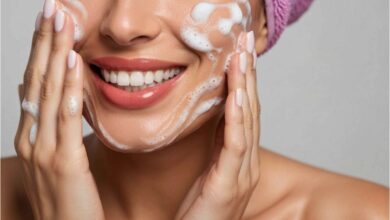
The desire to completely remove impurities and makeup often leads to the use of overly harsh cleansers. Scrubs with large abrasive particles, foams with high levels of surfactants, and frequent use of micellar water can disrupt the skin’s natural protective barrier, causing dryness, irritation, and redness. Opt for the gentlest and most gentle formulas possible.
Special attention should be paid to peels. Medium and deep peels are essentially controlled burns of the skin. Active ingredients, such as acids and retinoids, penetrate deep layers, causing tissue damage. The stronger the effect, the higher the health risks.
An inexperienced aesthetician or the incorrect selection of concentration or formulation can lead to serious consequences—ranging from prolonged inflammation and flare-ups of skin conditions to permanent scarring and pigmentation spots.
Modern specialists increasingly recommend sticking to gentler superficial peels that work only on the outer layer of the skin without damaging deeper structures.
In addition, it is very important to follow the correct skincare routine after cleansing and peeling procedures. Using soothing and moisturizing products helps restore the skin’s hydrolipid balance, reducing the risk of irritation and infection. It is also recommended to avoid direct exposure to UV rays and, whenever possible, use sunscreen with a high SPF.
Another important point is consistency and moderation. Frequent and excessively intense cleansing will inevitably lead to an imbalance in the skin’s microbiome. This can trigger excessive sebum production and the onset of inflammatory processes. The optimal frequency for washing your face is twice a day; if necessary, you can use mild cleansers throughout the day to remove excess oil and impurities.
Finally, it’s important to consider your skin’s unique characteristics. People with sensitive, dry, or problem skin are especially advised to consult a dermatologist or skincare specialist before choosing an exfoliant or a new cleanser. A professional opinion will help you avoid mistakes and select the most suitable products.
Active ingredients in cosmetics
Products containing potent active ingredients—such as retinol, vitamin C, and various acids—can indeed significantly improve skin condition. However, improper use or overuse can lead to serious damage: burns, irritation, flaking, and disruption of the skin’s barrier function. It is very important to use such products under the supervision of a professional and strictly according to recommendations.
Fake braces
Wearing braces has become something of a trend, especially among teenagers who choose models decorated with rhinestones and glitter. However, braces should only be fitted by an orthodontist, who oversees the process and monitors the health of your teeth. Unfortunately, many people get braces just to follow the trend.
The main danger of “fake” braces is the uncontrolled pressure they exert on the teeth and gums, which can lead to serious problems: misalignment of the teeth, inflammation, root damage, and other irreversible negative effects.
In addition, such products are often made from unsafe materials containing heavy metals and allergenic components that can cause poisoning and allergic reactions. Most alarming is the risk of permanent damage to the dentofacial system.
It is especially important to emphasize the danger for teenagers and children, whose teeth and jaws are still in a stage of intensive growth and development. Any improper intervention can lead to serious bite abnormalities, which are difficult to correct later on.
Complex multi-step skincare routines
Multi-step skincare routines originated in Asian cosmetology. However, this approach is not always justified and can be unsafe. Using a large number of products one after another increases the likelihood of unpleasant skin reactions. Ingredients from different products and preservatives can interact negatively, causing redness, itching, and rashes.
Such a routine is particularly dangerous for those with sensitive skin and those prone to allergies. In such cases, there is a high risk of exacerbating existing problems instead of achieving the expected improvement.
That’s why it’s best to stick to a simple, personalized skincare routine consisting of 3–4 basic products. This minimalist approach helps avoid interactions between harsh ingredients while maintaining healthy, glowing skin. In this case, the rule “less is more” applies.
To choose the right products, it’s important to consider your skin type and its specific characteristics. For example, moisturizing and nourishing creams with hyaluronic acid are suitable for dry skin, while light gels and mattifying lotions are best for oily skin. Additionally, it is recommended to introduce new products gradually, monitoring your skin’s reaction, and to avoid using multiple products containing active acids or retinoids at the same time to prevent irritation.
It’s also important to remember the correct order of application: start with lightweight textures (serums, essences), followed by richer creams and oils. This approach ensures maximum absorption of active ingredients and protects the skin. A proper skincare routine is equally important—consistency and regularity matter more than the quantity of products used.