How to Correctly Calculate Your Protein Needs
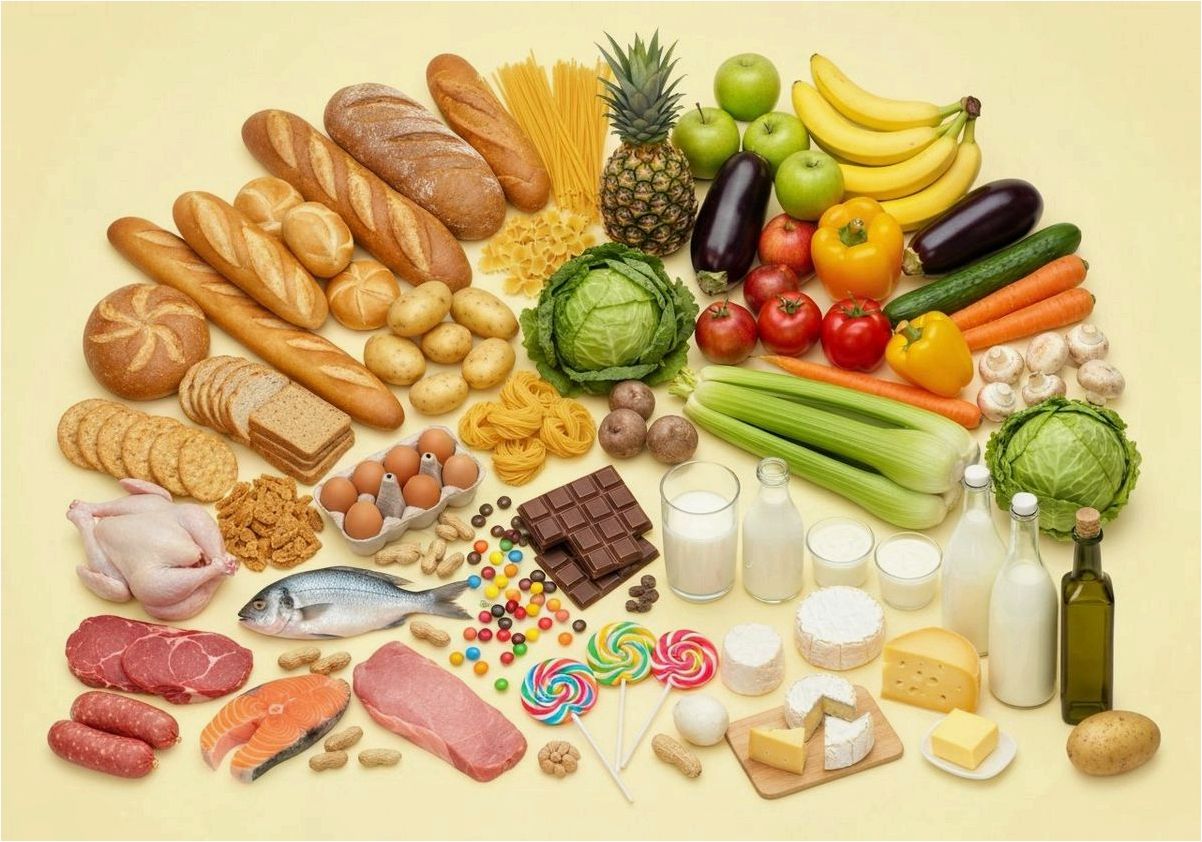
Many people make the mistake of assuming that 60 g of cottage cheese equals 60 g of pure protein. They often confuse protein-rich foods with the protein itself. In reality, 100 g of lean beef or low-fat cottage cheese contains not 100 g of protein, but only 19.4 g and 18 g, respectively. To meet the recommended protein intake, you need to eat approximately 320 g of boiled meat or about 330 g of cottage cheese. When planning your diet, it is important to include not only animal but also plant-based sources of protein, with the latter accounting for approximately 40% of the total protein intake (the remaining 60% being animal protein). This balance provides the body with all the essential amino acids found in protein.
Article contents:
many people don’t pay attention to the amount of protein in their daily diet. It’s worth noting that the daily protein requirement—which meets the needs of 97.5% of healthy people—is about 56 grams for men and around 46 grams for women. A standard chicken breast contains approximately 30 grams of protein. Nutrition experts recommend increasing the proportion of protein to 20% of total daily calorie intake for successful weight management. For most people, this means adding about 25 g of protein per day. Protein-rich foods are beneficial not only because of the protein itself, but also because they are rich in a variety of important nutrients—B vitamins, magnesium, and others. Additionally, protein promotes a faster feeling of fullness, which helps prevent overeating A diet with a variety of protein sources is an excellent way to maintain a healthy weight. Among plant-based options, legumes stand out in particular.
It is important to consider the quality of protein, specifically its amino acid profile. Animal proteins are considered complete because they contain all the essential amino acids in the necessary proportions. There are few such complete sources among plant proteins (e.g., soy, quinoa, buckwheat), so combining different plant-based foods is key to obtaining all the necessary amino acids. Additionally, plant proteins are less digestible than animal proteins, so this should be taken into account when calculating dietary requirements, and their quantity should be slightly increased.
Also, pay attention to when you consume protein: for optimal muscle recovery and growth, it’s best to spread your protein intake evenly throughout the day by including protein-rich foods in every meal. This is especially important for people who exercise regularly or who want to maintain muscle mass as they age.
The minimum daily intake of plant-based and animal proteins (60 g) in a 40/60 ratio is found in the following foods.
.150 g of baked chicken breast (26.5 g of protein) plus 100 g of 2% fat cottage cheese (13 g of protein), supplemented with 200 g of cooked Brussels sprouts (8.64 g of protein), 100 g of lentils (7 g of protein), and 20 g of roasted peanuts (5 g of protein).
Or
.in two scrambled eggs (22.5 g of protein), 150 g of 4% fat cottage cheese (21 g of protein), 100 g of canned lentils (7 g of protein), 100 g of braised cabbage with mushrooms (8 g of protein), and 20 g of dried sunflower seeds (3.8 g of protein).
Or
.200 g of boiled shrimp (34 g of protein), 200 g of stewed green beans (5.4 g of protein), 100 g of tofu (9 g of protein), 100 g canned mushrooms (5 g protein), and 200 g lentil soup (8 g protein).
When planning your diet, don’t forget to vary your cooking methods—this helps preserve nutrients and makes your meals more enjoyable and balanced. In addition, to increase protein bioavailability, it is helpful to combine it with vitamin C (for example, by adding fresh vegetables or fruits), which improves the absorption of amino acids and iron, especially from plant sources.
Finally, it is important to consider individual characteristics: age, level of physical activity, presence of chronic diseases, and dietary goals (such as gaining muscle mass or weight loss ). In such cases, it is recommended to consult a dietitian to develop an optimal meal plan that takes all factors into account.
How to calculate individual protein requirements
Determine your body weight in kilograms and multiply it by a coefficient that depends on your level of physical activity and goals. To maintain basic bodily functions, 0.8–1 g of protein per kg of body weight is sufficient. If you exercise regularly or are looking to build muscle mass, increase your intake to 1.5–2 g per kg.
If your goal is to reduce body fat to maintain muscle mass, 2–2.5 g of protein per kilogram of body weight is recommended. For people over 60, it is advisable to aim for 1.2–1.5 g of protein per kilogram to maintain muscle mass and prevent sarcopenia.
Athletes with high training loads or those recovering from injuries should aim for 2–2.5 g of protein per kilogram of body weight, distributing their intake evenly across main meals and snacks.
Keep in mind that total daily protein intake should be divided into 3–5 meals of equal protein content to improve absorption and stimulate muscle protein synthesis. For accurate calculations, subtract excess body fat from your total body weight; if you are obese, use your ideal or lean body mass as a reference.