3 Easy Exercises for Perfect Arm Tone
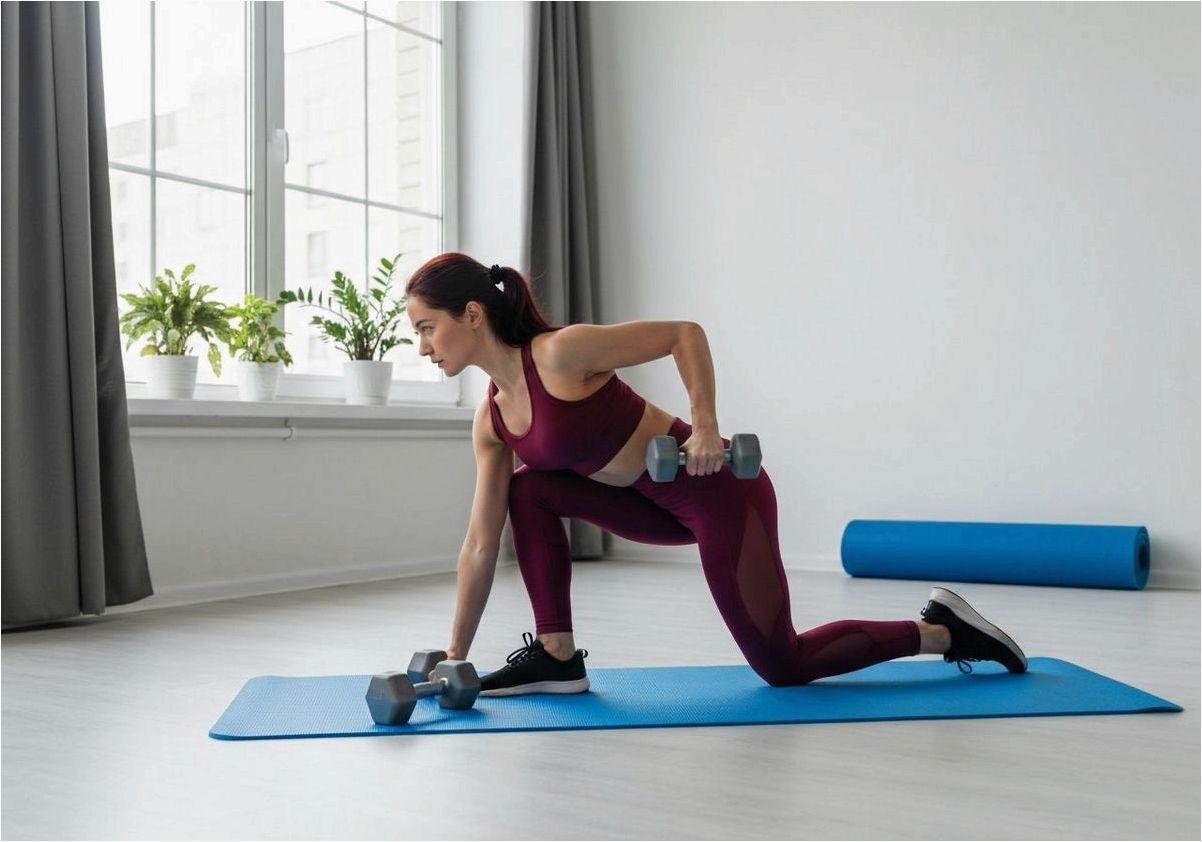
Do you dream of looking great in form-fitting sleeveless tops? These three simple exercises will help you achieve your goal!
Article Contents:
Goal: To give your arms and shoulders an aesthetic and defined contour
Why it matters
Exposed shoulders invariably attract attention and inspire admiration. Even if you have naturally beautiful arms, it’s important to maintain their shape through regular exercise. The shoulder girdle reflects your body’s posture and posture , so exercises for this area must become part of your routine. A few weeks of dedicated training will give you confidence in your appearance in any sleeveless outfit—your arms will look flawless!
Muscles involved:
- Anterior deltoid
- Posterior deltoid
- Medial deltoid
A brief overview of the anatomy
The muscles of the upper arm originate in the forearm region. The anterior deltoid muscle originates from the clavicle and is responsible for raising the arms forward and performing rotational movements. The triceps originates in the shoulder joint region and is responsible for extending the arm backward. The middle deltoid muscle also originates from the shoulder joint and is responsible for moving the arms sideways, helping to coordinate the work of the entire muscle group.
What you’ll need
For training in the gym, prepare a BOSU machine, a pair of 2-2.5 kg dumbbells, and a balance platform.
It is recommended to perform the exercise routine twice a week. Before starting, warm up your arms by doing forward and backward circular movements. Perform three sets of 10 reps with a minute’s rest between sets.
Double Lift
The main load falls on the shoulder girdle muscles.
Weight: 2.5 kg
- Stand up straight with your back to the resistance machine. Maintain a good posture and keep your shoulders back. Step away from the machine so you don’t hit it while performing the exercise and place your feet wide apart.
- Grab the handles of the machine with your arms at your sides. The backs of your hands face forward. Tighten your abs.
- Raise your arms in front of you to shoulder level. Your hands and shoulders should be in a straight line.
Try not to move your torso while performing the exercise. Lower your arms and repeat the movement.
Trainer’s Recommendation
It’s important to keep your arms parallel to the floor—this creates an optimal load and ensures your shoulder muscles are working as effectively as possible.
Side Raise with BOSU
Trains the shoulders, back, inner and outer thighs, and stabilizer muscles.
- Attach the handlebar to your knees and place the BOSU next to you.
- Stand to the right of the BOSU, placing your right foot on the platform. Grasp the handlebar with your left hand, keeping your hand level with your right knee.
- Push off the BOSU forcefully with your right foot and place it next to your left. At the same time, extend your left arm out to the side, straightening it at the elbow.
- Repeat the specified number of reps, then switch sides.
Trainer’s_Recommendation
Try not to overexert your elbows—bend your arms slightly and tense your muscles as much as possible as you raise the handle.
Balance Exercise
Involves the shoulder girdle and abdominal muscles.
- Take a pair of 2-3 kg dumbbells and stand on a balance board with your feet together.
- Raise your right arm in front of you at shoulder level, bending it at the elbow and holding the dumbbell slightly above your head, perpendicular to the floor. Keep your left shoulder back and your left arm at your side, hand pointing out to the side.
- Straighten your right arm and raise it overhead. Simultaneously, extend your left arm forward, parallel to the floor, without bending your elbow.
- Return to the starting position and repeat. Do five sets on each side.
Trainer’s Recommendation
The dumbbell lifts should be straight upward. Leaning your raised arm to the side shifts the load from your shoulders to your back.
If you prefer home workouts: You’ll need a resistance band, some couch cushions, and a pair of small dumbbells weighing 2-2.5 kg.
Double Raise
Attach a resistance band to a low object, such as the legs of a sofa, in the middle of the room. Stand in front of the sofa and perform the exercise as usual.
BOSU Lateral Raise
Attach the band to a low support at knee level. If you don’t have a BOSU or balance board, use couch cushions as a substitute.
Balance Exercise
Perform the exercise standing on couch cushions.
Useful tips for maximum effect
- Breathing control: Exhale as you raise your arms, and inhale as you lower them. Proper breathing promotes better oxygenation of the muscles and increases endurance.
- Maintaining correct posture: Make sure to keep your back straight and your shoulders relaxed. Excessive tension in the neck or back can reduce the effectiveness of exercises and lead to discomfort.
- Smooth Movement: Perform exercises slowly and with control, avoiding sudden jerks – this will reduce the risk of injury and improve the quality of the muscle workout.
- Load Variation: If you feel that the dumbbell weight or resistance band is not enough, gradually increase the load to continue muscle development.
- Warm-Up and Cool-Down: Be sure to spend 5-10 minutes warming up before training and stretching after – this improves blood flow and reduces the likelihood of muscle soreness.
How_to_avoid_common_mistakes
- Avoid excessively leaning forward or backward—keep your body still.
- Don’t hold your breath—this can lead to increased blood pressure and dizziness.
- Don’t overdo it with the weights—it’s better to perform exercises with proper form and light weights than to use heavy weights with poor form.
- Keep your elbows in place—your arms should move in the intended plane without any unnecessary deviations.
Regularly following these simple recommendations will make your workouts more productive and help you build not only beautiful arms but also functional strength!
Exercise_Mistakes_and_How_to_Avoid_Them
Avoid sudden jerks when doing dumbbell curls. Perform the movement smoothly, controlling each phase: lifting and lowering. This will improve the quality of muscle contraction and protect ligaments.
Be sure to keep your wrists straight. Bent or twisted wrists create unnecessary tension and can lead to pain.
Don’t try to use too much weight on your first few sets. Start with a comfortable load to ensure proper technique, and gradually increase the weight as your muscles strengthen.
Control your breathing: exhale during exertion and inhale during relaxation. This will maintain stable tone and provide oxygen to your muscles.