What does the body need for a speedy recovery from Covid-19?
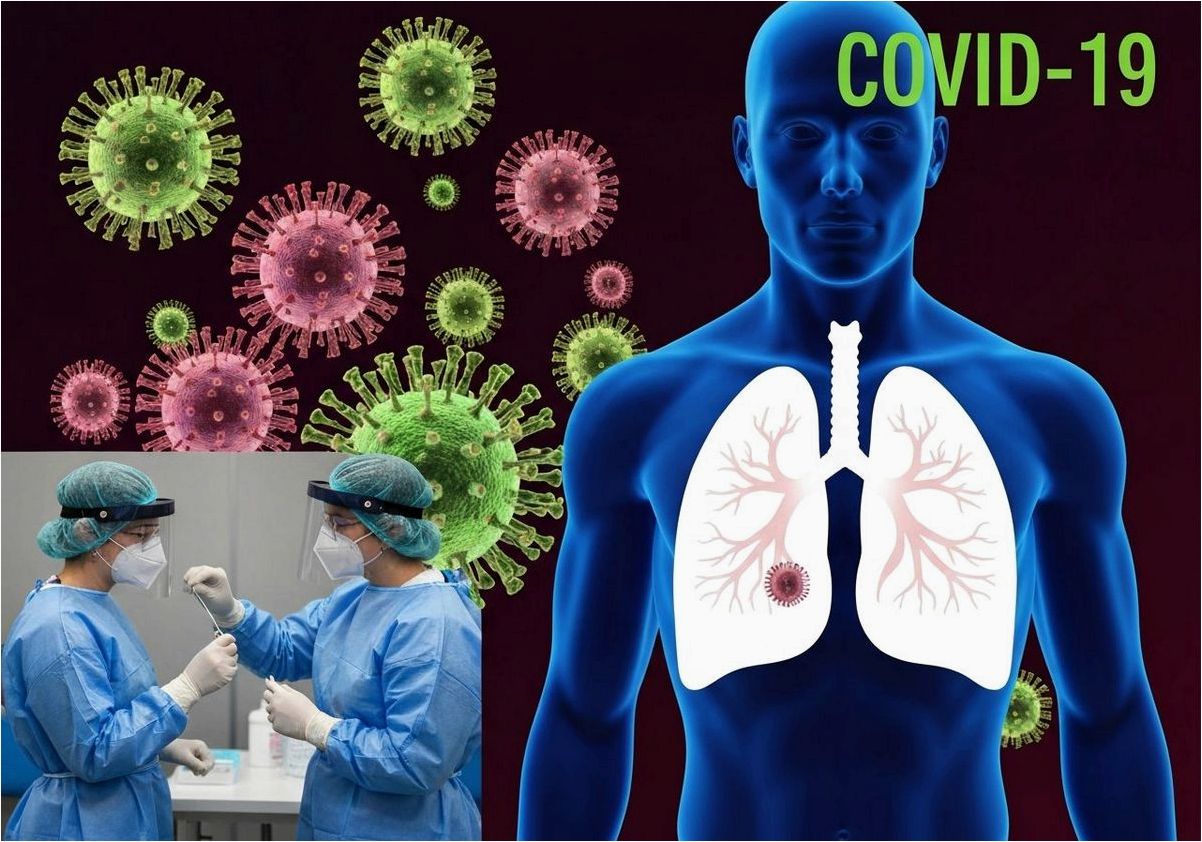
Medical experts are reporting a new outbreak: more than a thousand people were hospitalized in Moscow in one day! Scientists point out that proper nutrition is key to the recovery process. As with any infection, the body requires increased energy and additional nutrients. But what kind of diet will help you return to normal life faster?
Article Contents:
How does a balanced diet promote recovery?
The immune system is a complex mechanism comprising numerous organs, cells, and biochemical compounds that work together to fight infection. White blood cells, antibodies, and other defense mechanisms are mobilized to destroy harmful microbes and repair and replace damaged tissue and cells.
Proteins and amino acids, which form the basis of the body’s cells, are particularly important. “During illness, proteins are broken down in the muscles to provide the immune system with the amino acids needed to synthesize new protein structures,” explains Philip Calder, Professor of Immunology at the University of Southampton. “This is why many patients notice weight loss and decreased muscle strength. During the recovery phase, it is essential to replenish the body’s protein intake.”
“In addition, the body requires additional energy to fight pathogens,” Calder adds. — It is advisable to include high-carbohydrate foods in your diet, such as oatmeal, whole-grain bread or pasta, as well as high-calorie protein foods such as yogurt, eggs and nuts, which is especially important for reducing appetite.
Equally important are vitamins and minerals that support the immune system and help restore the body. Vitamin C, found in citrus fruits, berries and greens, improves the functioning of protective cells and accelerates tissue healing. Vitamin A, found in carrots, bell peppers and liver products, is essential for maintaining the integrity of mucous membranes, which serve as the first barrier against infection. Zinc and selenium, found in seafood, nuts and legumes, increase white blood cell activity and help regulate inflammation.
You should also pay attention to sufficient fluid intake – water, herbal infusions and natural compotes help maintain water balance, help eliminate toxins and reduce the load on the kidneys and liver. Avoiding excess sugar, alcohol, and processed foods will reduce inflammation and improve the effectiveness of the immune response.
Finally, eating regular meals with small meals at regular intervals helps maintain stable energy levels and prevents overeating, which is especially important during recovery from illness.
What foods can help speed recovery from Covid-19?
Nutrition experts agree that the classic Mediterranean diet is optimal for rehabilitation after coronavirus. It provides the body with all the necessary elements to fight the effects of infection. “The basis of this diet includes an abundance of fruits, vegetables, berries, nuts, seeds and legumes, as well as a moderate amount fat fish and healthy vegetable oils,” says Professor Calder.
Meat is an important source of protein, but it is not the only one. Pay attention to plant-based alternatives – quinoa, various legumes (beans, lentils, peas), tofu and nuts. For vegetarians and vegans, a combination of a variety of plant-based protein products will provide a complete set of essential amino acids.
The Mediterranean diet is also rich in dietary fiber, which supports a diversity of beneficial bacteria in the gut and promotes healthy mucous membranes, which play a key role in the body’s immune responses.
What foods should you include in your diet?
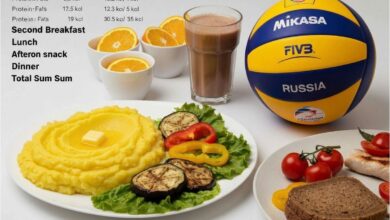
If you have not lost significant weight during your illness and are not underweight, it is recommended that you consume the following daily servings of essential nutrients for optimal recovery from Covid-19:
- Protein: Three palm-sized servings of meat or fish. Alternatives include eggs, legumes, nuts and tofu. (Preference should be given to increasing consumption of legumes and reducing red and processed meats).
- Fruits and vegetables: Five 80-gram servings (about a handful), including fresh, frozen or canned options, with an emphasis on variety.
- Dairy products and their analogues: three thumb-sized servings of milk, cheese and yogurt, or protein analogues – soy milk and coconut oil-based products.
The quality of nutrition is critical to recovery from Covid-19 – the higher it is, the more likely you are to recover quickly and fully.
What vitamins and minerals are important for recovery?
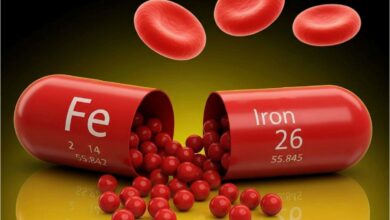
“Vitamins and minerals can be compared to factory workers who initiate and maintain many repair processes,” explains Calder. “Many of them play a key role in supporting the immune system and the body’s regenerative functions.” These elements include vitamins A, C, D, E, B6, B9 (folic acid), B12, as well as the minerals zinc, copper, selenium and iron. In most cases, adequate dietary diversity will meet the body’s needs, but during recovery from a severe viral infection, doctors recommend adding some vitamins and minerals to the diet in the form of dietary supplements.
Do not fall for the tricks of scammers who offer miracle cures to “raise” your health. immunity. However, taking certain vitamins and minerals in therapeutic doses will really help support your immune system.
Vitamin C is widely found in fruits and vegetables. This powerful antioxidant has anti-inflammatory properties, supports cellular immunity and vascular integrity, and functions as a cofactor in a variety of vital cellular processes. The daily allowance for men is 95 mg, for women – 75 mg, with an additional 35 mg for smokers and active athletes. During the recovery period, experts advise increasing your vitamin C intake to 500 mg per day – this dosage is completely safe. The maximum allowable dose of vitamin C from supplements is 2000 mg (2 g) per day. However, taking more than 1000 mg may interfere with absorption and cause gastrointestinal problems (diarrhea, nausea, cramps, etc.).
Each serving of VITAMIN C GUMMIES, ULTRAVIT * (3 chewable tablets) contains 375 mg of active substance. Vitamin C is essential for maintaining the normal functioning of the immune system and is involved in many biochemical processes. Vitamin C supplements are recommended for both adults and children over 4 years of age.
Vitamin D has long been known for its antimicrobial properties in fighting infections. Since the beginning of the pandemic, its role in reducing the risk of acute respiratory diseases has attracted particular attention from scientists.
Studies have shown a connection between risk factors for vitamin D deficiency (age, overweight, ethnicity) and the severity of coronavirus infection. Vitamin D is thought to be able to reduce viral transmission by strengthening antiviral immunity and reducing the cytokine storm associated with severe cases of the disease.
Adequate levels of vitamin D significantly reduce the likelihood of developing respiratory tract infections, as confirmed by clinical trials published in the Journal of Pharmacology and Pharmacotherapeutics.
VITAMIN D3, ULTRAVIT* is a supplement that supports healthy bones and teeth, as well as normal immune system function. Vitamin D3 is essential for both adults and children, improving bone structure and helping to maintain adequate calcium levels in the blood.
Zinc is an essential mineral for the effective functioning of the immune system. Taking over-the-counter zinc products (such as syrups or tablets) can help shorten the length of colds and relieve symptoms such as nasal congestion, sore throat, and cough.
In addition, zinc promotes the production and activation of T cells, key elements of the immune response.
Zinc deficiency increases the risk of infections. The recommended daily dose is 75 mg, but exceeding 150 mg daily can negatively affect the immune system, cause copper deficiency, and reduce the level of “good” health. HDL cholesterol and reduce the effectiveness of some drugs, including antibiotics.
ZINC, ULTRAVIT * is a food supplement containing zinc citrate, the most easily digestible form of the mineral. Zinc supports the immune system, improves vision, normalizes the functions of the nervous system and speeds up metabolism. In addition, the mineral promotes testosterone production, increasing endurance and muscle strength in athletes.
How to cope with long-term loss of taste and smell?
About half of Covid-19 survivors experience a loss of smell (anosmia), which leads to a decreased perception of the aroma of food. For most, this sensitivity is restored within 2-3 weeks, but in 10% the process can take several months.
“Loss of the sense of smell has a serious impact on appetite because the usual cues for how food tastes are missing,” says Sarah Oakley, chief executive of Abscent, a charity that supports people with a loss of smell. It is recommended to more actively use other senses and experiment with textures – choose crispy or soft ones, try to combine products of different colors and temperatures.
It is also useful to do exercises daily to train your sense of smell. The technique is simple: inhale the same smells twice a day, concentrating as much as possible on the different nuances. “It can be compared to physical therapy for the nose,” Oakley explains. “During the disease, neurons are damaged, and this therapy helps them recover.”
Parosmia, or distortion of taste perception, often occurs as one of the consequences of coronavirus infection. This condition can significantly complicate the eating process, especially if, due to parosmia, certain dishes become unpleasant or even repulsive to the taste. The set of products that cause such reactions varies from person to person, but coffee, garlic, onions, bread and meat products most often suffer from taste changes. Such disturbances in taste perception can negatively affect eating habits and diet. However, at the initial stage of recovery, the priority is not the quality of the diet, but rather providing the body with a sufficient level of energy. Therefore, it is important to pay attention not to the pleasant taste, but to the complete supply of nutrients and calories. Over time, as your condition improves, you can gradually return to your usual meals.