How to choose the right protein bar
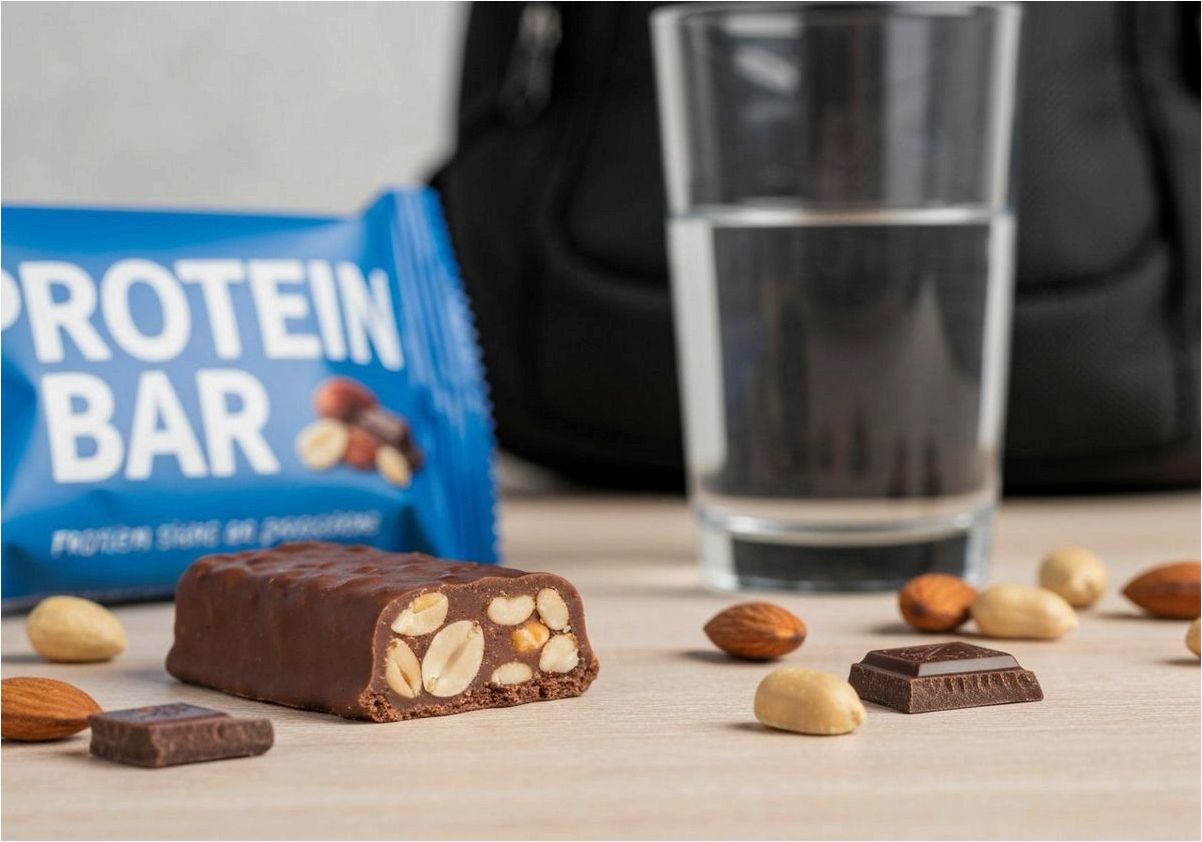
Protein bars are one of the most delicious and practical ways to get protein. However, not all of them are equally useful. To choose the best option, there are several important aspects to consider.
Contents of the article:
protein is the key and most expensive component of a bar. Pay attention to the following four criteria:
1. Protein content
Scientific research confirms that to stimulate muscle growth, you need to get at least 20 grams of protein per meal. If a protein bar replaces a full-fledged snack (rather than serving as dessert after a hearty meal), choose a product with at least 20 g of protein.
2. Source of protein
The quality of protein is determined by the presence of essential amino acids. The best ratio is provided by milk and whey protein. Budget bars often use soy protein, which contains fewer important amino acids.
It’s worth noting that plant proteins such as pea or rice are often used in vegan products and can be a good alternative when combined to obtain a complete amino acid profile. In addition, animal proteins are usually absorbed better and faster, which is important for muscle regeneration after training.
When choosing a protein bar, it’s important to consider not only the source, but also the amount of protein per serving—15 to 25 grams is optimal for maintaining muscle mass and satiety. It is also helpful to pay attention to the absence of added sugars and artificial fillers.
3. Protein taste
Many protein bars have a specific flavor. In fact, pure protein has no smell or taste. Unpleasant “protein” the taste comes from impurities (such as caprylic and capric acids) present in cheap, insufficiently purified protein. To mask this effect, manufacturers often add chocolate coating, peanuts, cinnamon, vanilla, coffee, or make the bars too sweet. Top brands use highly purified protein, making the taste more neutral and pleasant.
Don’t forget to also pay attention to the calorie content, the amount of sugar, and not to overestimate the role of additional components.
- Study the composition carefully. How many ingredients are listed: 12, 25 or even 40? A smaller number of components indicates purer and higher quality raw materials.
- Fewer calories is better. If your goal is weight loss , figure correction or maintaining shape, give preference to bars with energy costs up to 200 kcal.
- Avoid maltitol, sorbitol and inulin. Good protein bars do not add regular sugar; it is replaced with natural sweeteners – erythritol, stevia or monk fruit. Be careful with sorbitol and maltitol – these components can cause a laxative effect. It is also better to avoid inulin (for example, from chicory), which is not always well tolerated by the stomach.
- Don’t be fooled by marketing promises of “miracle” products. additives Substances such as carnitine, green coffee extract, CLA (conjugated linoleic acid) are often marketed as fat burners , however, their effectiveness has not been scientifically proven.
- Pay attention to the type of protein. Proteins can be whey, casein, soy, pea, etc. Whey protein is quickly absorbed and is great as a post-workout replacement, casein is slowly digested, supporting muscles over time, and plant proteins are useful for those who are vegetarian or allergic to dairy products.
- Consider the dietary fiber and fat content. Some bars are high in fiber for better digestion, but too much fat, especially saturated fat, will reduce the overall benefit of the product.
- Try different flavors and brands. If the bar seems too cloying, bitter or has an unpleasant aftertaste, try a different brand or type of protein. Each manufacturer has its own technologies, and choosing the ideal option can only be done experimentally.
- Storage affects the taste. Pay attention to the storage conditions for the bars. High humidity, heat or prolonged storage can affect the taste and texture of the product.
4. Availability of additional ingredients and additives
Avoid foods with a lot of sugar, syrups and trans fats, which are often hidden under different names: for example, maltodextrin, corn syrup, glucose-fructose syrup. These substances reduce nutritional value and increase calories without benefiting muscle or recovery.
Pay attention to the presence of allergens: peanuts, soy, gluten and lactose may cause an undesirable reaction. When purchasing a sports nutrition bar, look for ones that list specific protein sources—whey, casein, or plant-based—without unnecessary fillers.
The presence of natural sweeteners such as stevia or erythritol allows you to reduce calories without the effect of spikes in blood sugar. Additional extracts, such as green tea or guarana, may help improve metabolism and increase energy.