Hand weights: a new trend or a truly necessary accessory?
Remember how in the 90s you could see women with heavy bracelets on their wrists near your home. Now fashion for training retro style is gaining momentum again! Famous bloggers on social networks advise using arm weights to increase muscle mass during regular walks. But does this method really bring results?
Contents of the article:
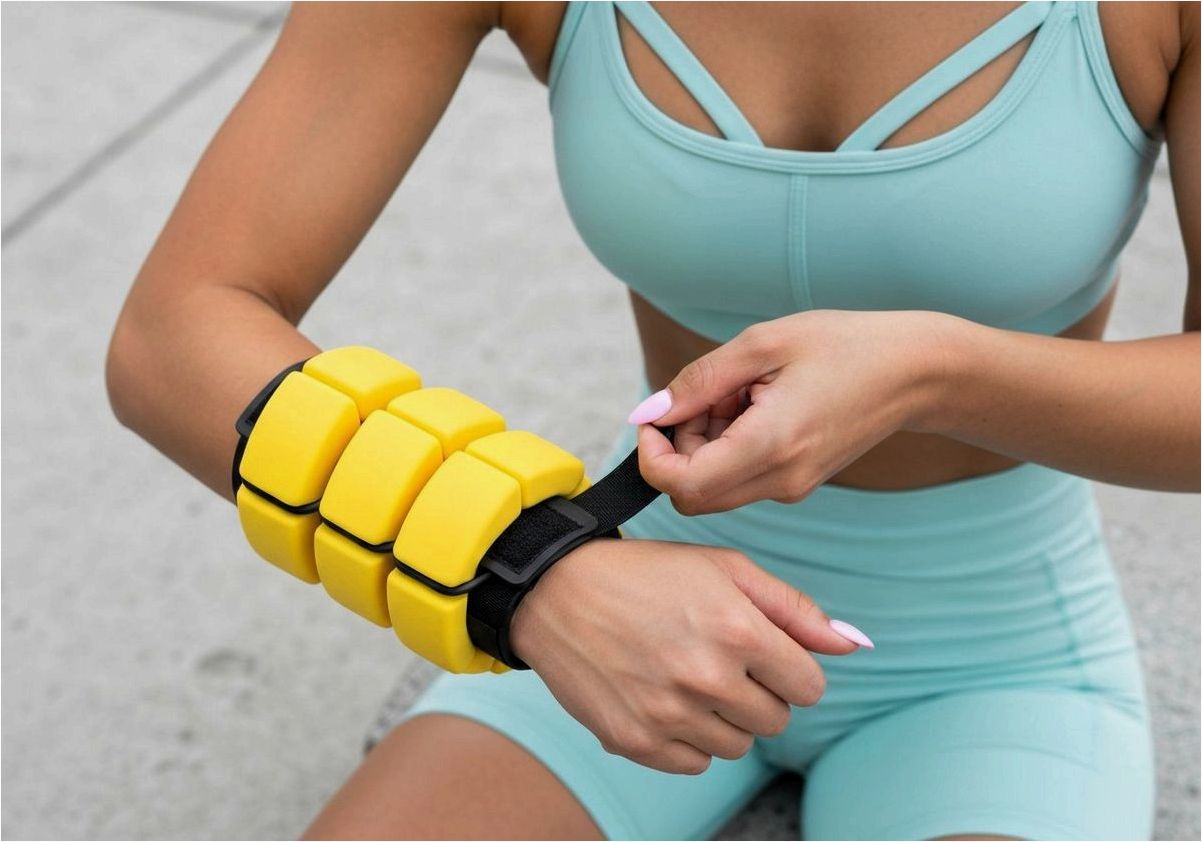
Weights are special cuffs that can weigh from 0. 5 to 2 kilograms and are worn on the wrists or ankles. They are used not only as additional weight during sports instead of the usual dumbbells, but also when performing everyday activities – walking, doing housework.
Today, weights can be easily purchased at any sports store or on marketplaces. Some manufacturers use materials with moisture-wicking properties to keep you more comfortable and cool during your workout.
Walking with extra weight on your arms actually forces you to exert more effort: the weight creates additional stress, making each step more difficult. This load affects not only the muscles and joints, but also the heart, forcing it to work harder. This increased work of the heart muscle makes every walk more productive, without the need to increase the speed of movement. In addition, additional weight increases the number of calories burned during exercise and daily activities. But how effective is this and can such an approach replace full-fledged upper body training or cardio?
Advantages of weights
Using weights provides several benefits that can positively impact your daily activities. For example, a 2021 study of college students published in the journal of the Federation of American Societies for Experimental Biology (FASEB) found that wearing wrist weights while walking increased heart rate and oxygen consumption—key measures of exercise intensity and energy expenditure. Another study confirms that regularly wearing weights on your arms and legs for 20 minutes three times a week promotes muscle growth.
However, given the low weight of the cuffs, their impact on development muscles will be insignificant Muscle growth occurs due to microtraumas in the fibers, which occur with sufficient load and are then restored by the body. If the weight already feels too light, it is unlikely to cause the necessary changes in muscle tissue.
If your goal is to significantly strengthen your biceps, triceps and shoulders, then you should pay attention to machines and exercises with heavier equipment. “Heavy” weight is an individual concept: this is the weight that you can lift no more than six times without violating the correct exercise technique.
What is important to consider before you start walking with weights?
First of all, if you have injuries to your elbows, shoulders or problems with coordination and balance , it is better to refuse this kind of load for your own safety. Experts recommend that people with low bone density consult a doctor before using weights. If your health is normal, make sure that weight does not interfere with freedom of movement.
- Graduality is the main principle. Do not choose the heaviest cuffs for the first classes. Start with 0. 5 kg and gradually increase the weight, moving to 1-1. 5 kg as your body adapts. Too much weight at the beginning can cause undue stress on the elbow joints. Also, reduce the amount of time you walk with weights until you get used to the new sensation. For example, if you usually walk three kilometers, start with one and a half kilometers with weights, and then gradually increase the distance.
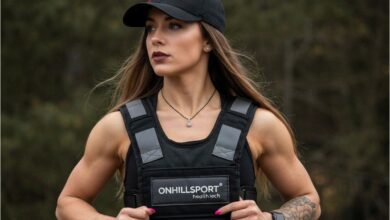
- Transfer the load to the body. To make your cardio workout even more intense, you can use a backpack or weighted vest. Unlike hand weights, this weight is distributed across the center of gravity, allowing you to lift more kilograms without causing discomfort to your limbs. Despite the fact that this method does not train the arms, it stimulates cardiac activity more effectively.
- Don’t neglect complex training. If you’re hoping that weights will make your arms stronger without the usual strength exercises – you risk being disappointed Muscle training upper body using specialized exercises is a necessary element. Still, weights can complement your training arsenal, adding variety to your lifestyle and maintaining overall fitness.
- Pay attention to correct fixation. Weights should fit tightly and comfortably to the wrists or ankles without squeezing the skin and blood vessels. Weak bracing will cause weight to shift during movement and place additional stress on the joints, increasing the risk of injury.
- Watch your walking technique. When using weights, try to maintain a natural pace and full range of motion. Avoid excessive body tilt or shoulder tension to avoid causing muscle imbalances and back pain.
- Assess your well-being regularly. If you experience pain, swelling or discomfort after walking with weights, take a break and consult a doctor or trainer. Remember that any physical activity should be beneficial, not harmful.
- Don’t use weights every day. The body needs rest to restore muscles and joints. It is recommended to include walking with weights in your training plan 2-3 times a week, combining them with other types of activity.
Possible risks and contraindications when using weights
Avoid using weights if you have acute or chronic diseases of the joints and tendons, as additional stress can aggravate inflammation and cause pain.
People at increased risk of injury, including those who have recently undergone upper extremity surgery, should avoid wearing weights until they have fully recovered arm function and consult a physician.
Using weights with incorrect movement technique increases the risk of overstraining muscles and ligaments, which can lead to microtrauma and inflammation; control the amplitude and speed of exercises.
Monitor the weight of accessories: exceeding the recommended load impairs coordination and increases the likelihood of falls or impacts, especially in dynamic exercises.
People with poor circulation or varicose veins should be careful as weights can cause swelling and discomfort.
Do not use weights constantly; limit your exercise time to avoid excessive static tension and muscle overload, especially during daily training.
If you experience redness, pain or numbness in your hands during or after exercise, immediately stop using weights and consult a professional.