Should You Drink Water With Your Meals?
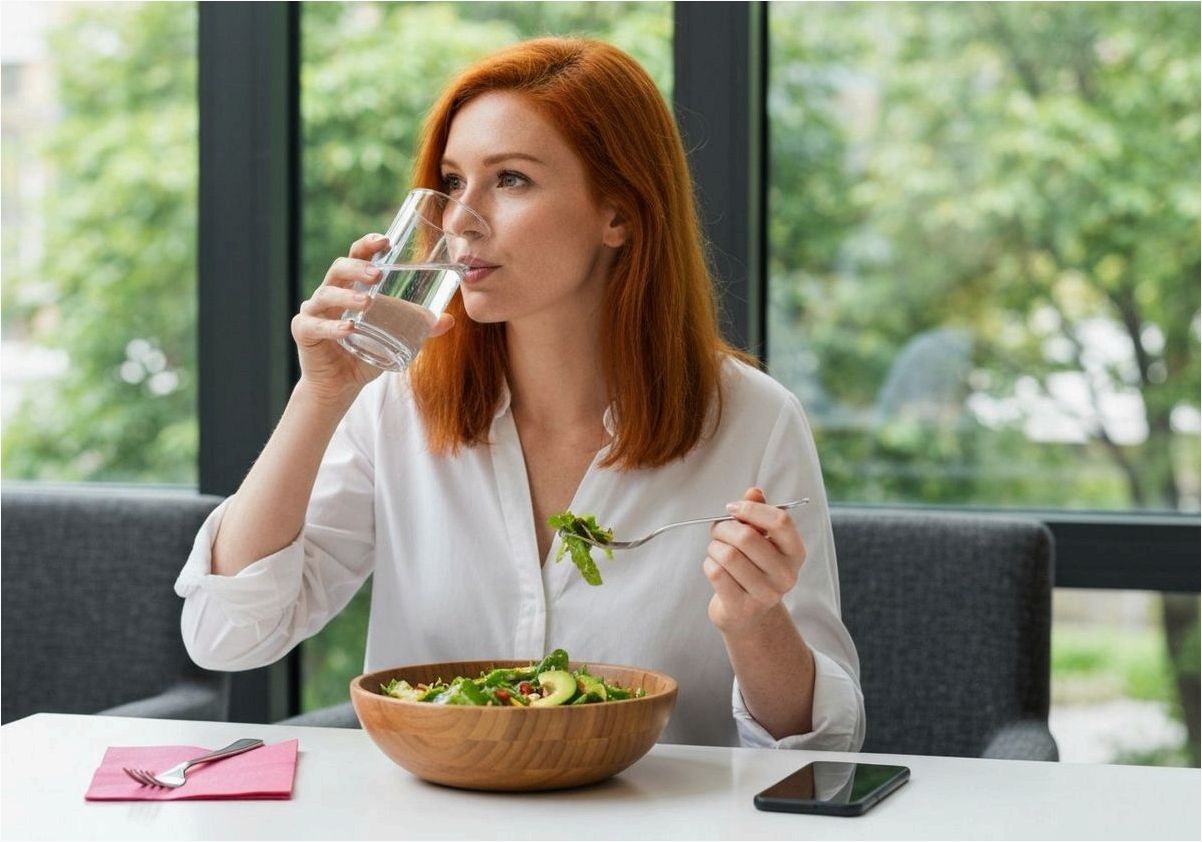
The question often arises: should I drink water with my food? Nutritionists’ opinions on this topic are divided into two opposing positions. Some experts are categorically against drinking before, during, and after meals, while others are convinced that such prohibitions are unfounded. Let’s consider the arguments for both points of view.
Article Contents:
First Point of View: No Liquids During Meals!
According to this theory, drinking water half an hour before and for an hour after a meal is not recommended. It is believed that liquids can overstretch the stomach, leading to weight gain. Furthermore, water dilutes gastric juice, which delays digestion and causes an unpleasant feeling of heaviness and discomfort in the abdomen. Therefore, when asked whether it is necessary to drink liquids with food, proponents of this theory answer a resounding “no.” They point out that diluting gastric juice reduces its bactericidal function. It’s important to remember that hydrochloric acid in the stomach can dissolve even iron, and harmful microorganisms such as Vibrio cholerae or dysentery amoebas cannot withstand its effects. By diluting gastric juice with water, we create favorable conditions for the development of intestinal infections and food poisoning. First courses contain extractive substances that stimulate the secretion of gastric juice, thereby preserving its bactericidal properties. Furthermore, air enters the body along with water—if you drink water with every bite, the amount of air swallowed increases tenfold. This leads to an increase in gas production in the digestive system by approximately 70%, causing bloating and discomfort. Pain in the right and left hypochondrium is caused by the passing gases distending the colon. Carbonated drinks such as mineral water or champagne can aggravate the situation. It’s worth remembering that healthy foods already contain a fair amount of liquid: for example, tomatoes and cucumbers are 95% water, bread is 35%, and meat is 60%. Soups also contain plenty of moisture. Of course, there are foods like popcorn, hard-boiled eggs, nuts, or chips that are difficult to chew without liquid, but it’s best to consider whether these foods are worth including in your diet. By eliminating them, the question of whether you need to drink anything with your meal will disappear. Perhaps a short fast would be more beneficial.
Check: Are you drinking enough water?
- Dry, flaky skin, tired and dull-looking face.
- Dry mouth, chapped and burning lips.
- No urge to urinate for most of the day, only in the morning and evening.
- Brittle and peeling nails.
- Dry, split-end hair, and hair loss.
- Regular constipation.
- Pain in the right side and lower back are signs of gallstones or kidney stones.
- During physical activity, joints and spine crunch, and flexibility has decreased.
- Difficulty losing weight and maintaining excess weight.
- Irritability, absent-mindedness, and fatigue.
If you’ve confirmed several of the above, your fluid intake is likely inadequate. Dry rations aren’t suitable for you; you need to increase your fluid intake.
For excellent digestion and overall well-being, drink about a liter of water for every 1,000 calories consumed.
Second_Point:_Follow_Your_Feelings
Proponents of this theory believe that the body itself will tell you when and how much water to drink during meals. Few people want to get up earlier just to wait an hour between a cup of tea and a meal, especially if breakfast consists of dry toast that contains little moisture. After eating 200 grams of yogurt, drinking another cup of tea also seems unnecessary. When we eat on a regular schedule, the desire to drink water with food is less frequent. However, we drink much more at holiday feasts, as the menu includes salty, spicy, and smoked dishes, which stimulate increased gastric acid secretion and, consequently, increase fluid requirements. Many cultures that prefer spicy dishes always serve water with them. If you believe that you should satisfy your hunger first and run for water later, you can harm your body. A flexible and sensible approach is the key to comfort! Medical prohibitions against drinking during exercise have already been disproved: depriving yourself of fluids often leads to poor athletic performance compared to those who are not afraid to drink water during exercise.
Individual_approach_—_the_main_component
Climate, culture, and dietary traditions influence daily water intake in different countries. Italians drink an average of 116 liters of water per year, Germans 93 liters, the French about 80 liters, and Austrians only 72 liters. Russians have a lower average. Regarding beverage selection, nutritionists agree: avoid drinking beer, coffee, or strong tea with meals, as these beverages stimulate kidney function and promote fluid loss. Milk is not recommended with meat or buckwheat, as it not only adds extra calories but also impairs nutrient absorption. Similarly, drinking Essentuki-4 or Borjomi mineral water or strong tea with meat and grain dishes is prohibited. However, the method of pouring lemon juice over meat and fish dishes, common in France and Italy, is commendable—the acid improves iron absorption. Avoid combining hot, fatty foods with cold drinks from the refrigerator, as the fat can begin to cool in the stomach and impair digestion. This is why, for example, teahouses serve hot tea with fatty rice. Interestingly, drinking a glass of carrot or orange juice in the evening will help your tan spread evenly, while drinking it in the morning will leave your skin looking blotchy.
How to Cope with Thirst
They say that water wears away stone, but it is also a universal solvent that facilitates chemical reactions in the body. A constant supply of water is essential for normal metabolism. The average adult needs to drink about eight glasses of water in small portions throughout the day. However, in hot conditions, physical activity, stress, or traveling, this amount can increase to 3 liters. Advertising advice relying solely on thirst is not always accurate.
American entrepreneur Harvey Maclay once advised “dig the well early,” meaning drinking before you feel very thirsty. A strong thirst is a sign of dangerous dehydration. Water is essential before you feel thirsty, as specialized receptors in the hypothalamus (osmoreceptors) are activated only when there’s a significant lack of fluid. Because of this, we often don’t get nearly two glasses of fluid daily, which can have unpleasant consequences. A lack of water can slow metabolism and contribute to the accumulation of fat in the subcutaneous tissue. Cellulite and excess weight are often associated with insufficient fluid intake. If you’re concerned about your weight, increase your water intake—it helps flush out fat breakdown products. It’s recommended to drink approximately 30 ml of fluid per kilogram of body weight, meaning that if you weigh 65 kg, your daily water intake is approximately 2 liters.