Restoring Inner Harmony Through Yoga
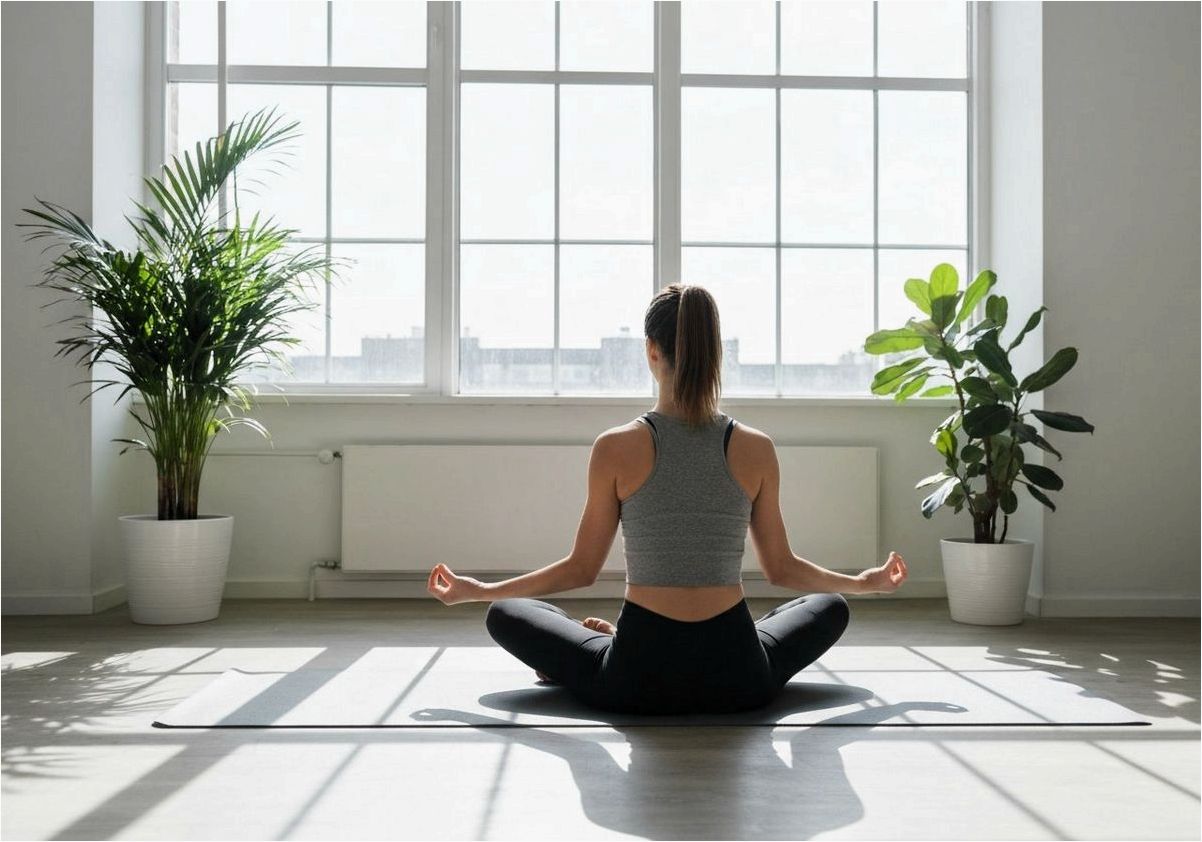
Kundalini yoga is an effective method for relaxation and achieving psychological balance after a stressful day at work. The term “kundalini” translates from Sanskrit as “the beloved’s lock of hair,” which is a symbolic image. Masters of this discipline are convinced that within every person lies a hidden energy that extends like a fine thread throughout the body, bringing a sense of peace. For KEGOL readers, we have prepared special sets of asanas that will help you cope with stress and prolong your youth.
Article contents:
Warm-up: Cat-Cow
An exercise designed to stretch the spine and prepare the muscles for the main exercises
Get on all fours: spread your knees wide apart and bring your heels together; extend your arms and place them at shoulder level, with your fingers pointing out to the sides. As you exhale, arch your back upward—like an annoyed cat—while lowering your head; as you inhale, bend at the waist and lift your head upward, mimicking the straining of a cow. Breathe deeply and evenly. Repeat this movement for 3 to 9 minutes, then immediately move on to the main sequence.
Sequence for relieving tension
- Sit in the lotus position, lowering your chin slightly toward your chest. Make sure the line of your neck and back remains straight—this will ensure the free and even flow of energy throughout your body. Fold your fingers together, like a predator’s claws. With your arms bent, perform energetic and rhythmic swings above your head. Your breathing should be “fiery”: pull your abdomen forward as you inhale, and back as you exhale; breathe through your nose while actively engaging your diaphragm. Continue the swings for 9 minutes.
- Without stopping the movements, stick out your tongue and breathe through your mouth for about 15 seconds.
- Stop swinging and raise your arms at a 60-degree angle. Take a deep breath, hold it for 15 seconds, then exhale smoothly while lowering your arms. Repeat this cycle twice, and on the last repetition, hold your breath for 30 seconds.
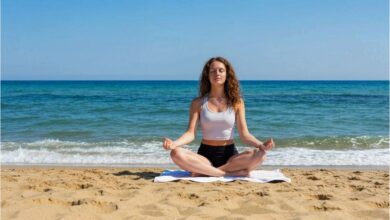
- Finish the sequence by assuming the pose For meditation extend both arms forward and place your hands, palms up, on your knees. Touch the tips of your thumb and index finger together on each hand, keeping the other fingers straight. Focus on breathing calmly and deeply through your nose for three to four minutes.
Instructor’s recommendation. During a tiring day, your energy levels drop, leading to fatigue. The breathing techniques in this sequence are excellent for restoring your vitality. In addition, the exercises help relieve nervous tension.
Sequence for balancing the mind and strengthening the nervous system
- Sit on the floor. Fold your right leg toward you so that the sole of your foot is pressed against your left thigh. Take a deep breath, then as you exhale, slowly lean forward until you can reach your left big toe or heel. This area stimulates the nervous system. Focus your gaze slightly above the horizon.
- Practice diaphragmatic breathing, counting to 22 breaths in and out over the course of 3–6 minutes.
- Place the heel of your right foot under your pelvis, keeping your left leg extended without bending the knee. Lean forward, placing your palms on either side of your left leg at ankle level. Look above the horizon, continuing to breathe while counting to 22.
- Step forward with your left foot, making room and extending your right leg backward, keeping your heel firmly planted on the floor. Extend your left arm forward, and bend your right arm at the elbow, pulling it back as if drawing a bow. Focus on your breathing and perform a series of rhythmic inhales and exhales, counting to 22. Repeat for 5 minutes on each side.
Instructor’s Tip. This routine helps build self-confidence, develop determination and willpower, and boost productivity. All exercises should be performed without breaks, flowing seamlessly from one to the next.
Additional Tips for Maintaining Inner Harmony
In addition to physical exercises and breathing practices, maintaining a healthy lifestyle and paying attention to your mental state are essential for deep recovery:
- Consistency in practice—practice yoga daily, even if you only have 10–15 minutes. Gradually and consistently performing exercises creates a solid foundation for emotional balance.
- Meditation and mindfulness — focus on mindfulness and meditation techniques that will help improve concentration, reduce anxiety, and clarify your thoughts.
- Proper nutrition—a balanced diet rich in fresh fruits and vegetables, along with adequate water intake—has a positive effect on the overall health of the body and the nervous system.
- Sleep and rest — a full night’s sleep (at least 7–8 hours) supports restorative processes in the body and mind, which enhances the benefits of your yoga practice.
- Mindfulness of your body — listen to your own sensations during practice, avoid overexertion, and adapt the exercises to your own physical capabilities.
This routine, combined with mindful self-care, will help not only relieve daily stress but also improve your quality of life, sense of joy, and inner balance.