Winter running: key recommendations and equipment selection
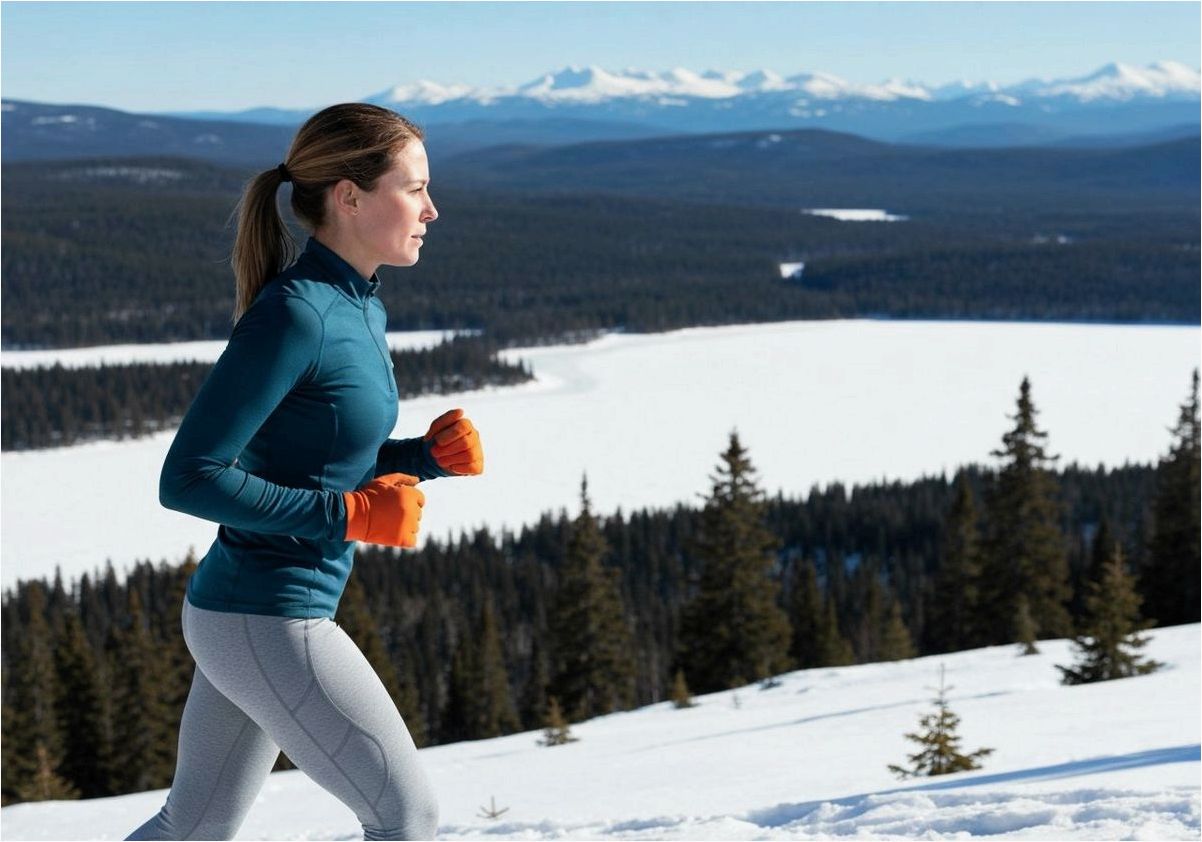
Winter is no reason to cut back on your workouts, but running in too light clothing and hoping to stay warm through movement can lead to a cold. What points are important to consider before training and how to choose the right clothes and shoes, says Dmitry Sarantsev, an experienced runner with 20 years of experience and a professional consultant for the Sportmaster network.
Contents of the article:
Preparing for a run
It is safe to continue running outside in temperatures down t o-15°C. In such conditions, if you have the right equipment, you will feel comfortable. At lower temperatures, even warm thermal underwear does not guarantee protection against colds; most often, the risk of bronchial inflammation increases.
The body gradually adapts to the cold – adaptation occurs in about a couple of weeks of regular training.
Before actually running, you need to warm up. The best option in winter is to do it at home so that your muscles are already warmed up when you go outside. The entrance is also suitable – the temperature there is higher than in the open air, but lower than in a living room, which allows you to smooth out the difference in conditions.
A common mistake made by beginners and amateurs is to start at high speed. In the cold season, it is advisable to start very gradually, maintaining a low heart rate so that the muscles do not tire too quickly. It is optimal to cover the first 2 kilometers at a calm pace, and then gradually accelerate.
Winter jogging outdoors remains beneficial because there is more fresh oxygen. However, at temperatures belo w-15 °C, you should switch to exercising at home, using a treadmill or training in an athletics arena.
Equipment selection
Winter training traditionally requires three layers of equipment.
Thermal underwear. The main tasks are to retain heat and remove moisture out, preventing hypothermia and keeping the body dry. The best material is synthetic, for example, polyester, polypropylene with the addition of spandex. Ideally, the fabric combines 2-3 different synthetic fibers.
Models with a high cotton or wool content (more than 15-20%) should be excluded, as they do not effectively remove moisture and can cause overheating. Among the inexpensive and high-quality options, the brands Glissade, Rukka, Volkl, Craft, Odlo stand out.
There are models of thermal underwear with an additional compression effect on the muscles, for example, from the manufacturer X-Bionic – one of the most advanced on the market. These products are more expensive, but provide a high level of comfort and support. In any case, you should try on different options before buying – the sensations can vary greatly even within the same category.
When choosing thermal underwear, it is important to pay attention to the density of the fabric and its design. Models with zoned fabric densities offer improved ventilation in high-sweat areas and increased insulation in cold areas. This allows you to more comfortably endure long workouts in changeable weather conditions.
Membrane trousers and a fleece sweater. The membrane is a special coating with a porous structure: it blocks water from the outside, and releases steam and heat from the inside, preventing overheating. Membrane pants or tights should fit snugly so as not to restrict movement. For those especially sensitive to cold, options with an additional “windstopper” layer are available. or inner fleece lining.
A fleece sweater can have one or two layers, the choice depends on weather conditions and personal feeling of cold.
As for membrane jackets, the brands Salomon, Craft and Rukka offer models with and without fleece lining. In severe frost and wind, it is rational to combine a fleece sweater and a jacket; in milder weather, one of the layers is enough if the temperature does not drop belo w-10 °C.
Additionally, it is worth considering that to increase comfort and thermal balance, you can use outer layers with water-repellent and windproof impregnation, which retains the breathable properties of the membrane, but provides additional protection from precipitation and gusts of wind.
It is optimal to choose membrane products with the ability to adjust ventilation – for example, armpit zippers on jackets or windproof valves on trousers. This will allow you to maintain a comfortable body microclimate even under intense loads and sudden temperature changes.
Head and hand protection. Common mistake when running in winter – cover your mouth and nose. Inhaling moist and warm air while wearing a mask or scarf increases the likelihood of catching a cold. At temperatures down t o-15 °C, it is better to leave the airways open, as dry, cold air is less dangerous.
A regular hat or fleece balaclava is ideal for protecting your ears from the wind. A fleece neck muff is a good choice for covering your throat; it’s more comfortable than a scarf because it stays in place while you run.
Protect your hands with gloves—fleece or membrane models with an insulated lining are ideal; they’re more compact and comfortable to move around in.
It’s also helpful to have a set of thin, moisture-wicking undergloves underneath your insulated gloves—this will help regulate your temperature and keep your hands dry as your intensity or weather conditions change.
In addition to protecting your head and hands, sunscreen and lip balm are recommended, as the cold winter air and wind can cause dry skin and chapping.
Footwear: The choice depends on your training conditions. For snowy trails, it’s best to choose running shoes with a deep rubber tread, a high top, and a tight cuff to prevent snow from getting inside the shoe. There are special models with metal studs for icy trails (for example, from Asics and Salomon).
If you plan to run on city asphalt, a deep tread will be unnecessary and will quickly wear out. For these conditions, shoes with a Gore-Tex membrane and water-repellent coating are suitable.
Thermal socks are recommended for any footwear for maximum foot comfort. These can include various composite materials, synthetic and natural fibers, and special weaves.
In strong winds and snowfall, ski goggles with a strap can be useful – they reduce fogging and protect the eyes and part of the face from the cold and snow. For convenience, you can bring a waist pack with a thermos for a warm drink, as well as trekking poles if the route includes ups and downs. Please note that using insoles with thermal insulation properties can further enhance comfort inside your shoes, especially during long runs in cold weather. Regularly drying and treating your shoes with water-repellent treatments also extends their lifespan and maintains their protective properties winter Running: Key Recommendations and Gear Selection